Anniversary
Vote
This year celebrates two major milestones in voting laws for the United States—one hundred years of votes for women and fifty-five years of more inclusive voting rights for minorities.
BY Kelly Rogers
THIS YEAR celebrates two major milestones in voting laws for the United States—one hundred years of votes for women and fifty-five years of more inclusive voting rights for minorities. On August 26, 1920, the Nineteenth Amendment was ratified to uphold a woman’s right to vote as part of the US Constitution—a hard-fought battle as suffrage activists organized marches, lobbied elected officials, became the subjects of political posters, and worked to convince male voters to support them in equal voting rights. However, it would be four more years until Native American and Asian American women were permitted to vote, and Black women were often excluded or discouraged from participating in white-led suffrage efforts.
In August 1965, President Lyndon B. Johnson signed the Voting Rights Act into law, expanding the inclusion of voting rights for both men and women and removing restrictions that were targeted at excluding minority voters, especially Black citizens. Where rights have expanded, so has political engagement. According to the United States Elections Project, only 60 percent of eligible voters actually cast a ballot during presidential elections, but experts expect a potential record turnout this November. Snapchat has registered more than 750,000 new voters in 2020—with social media apps encouraging voter registration and participation, it’s never been easier to exercise our rights.
By Design
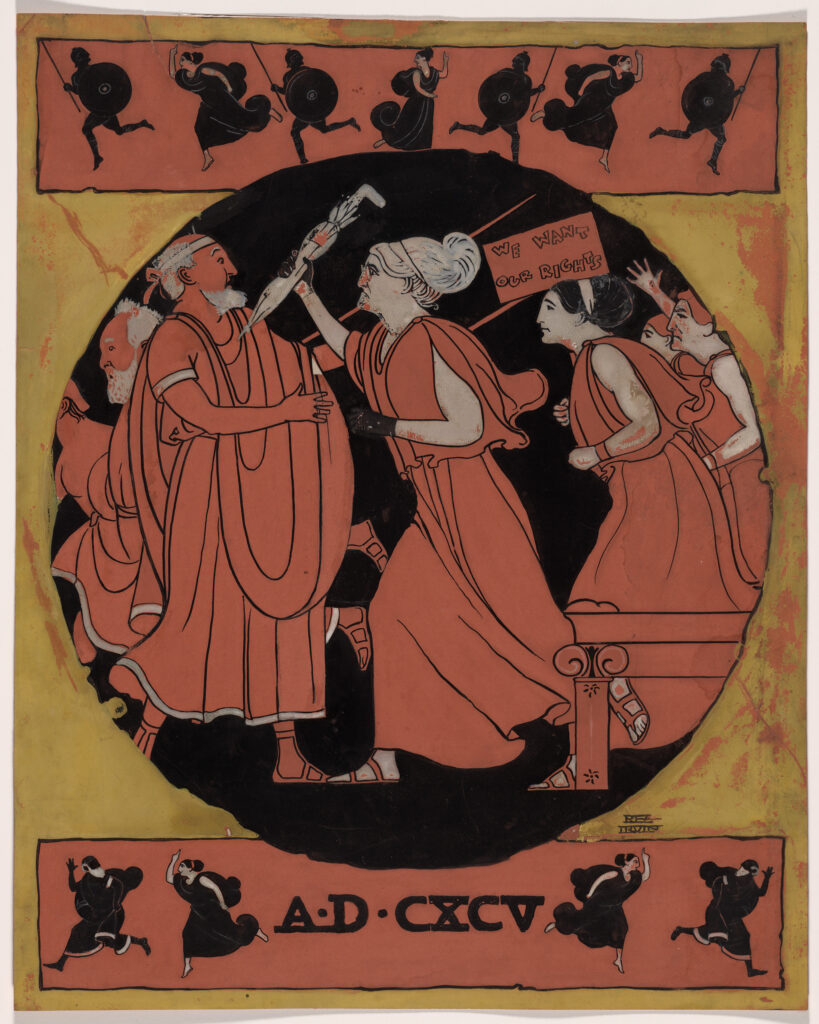
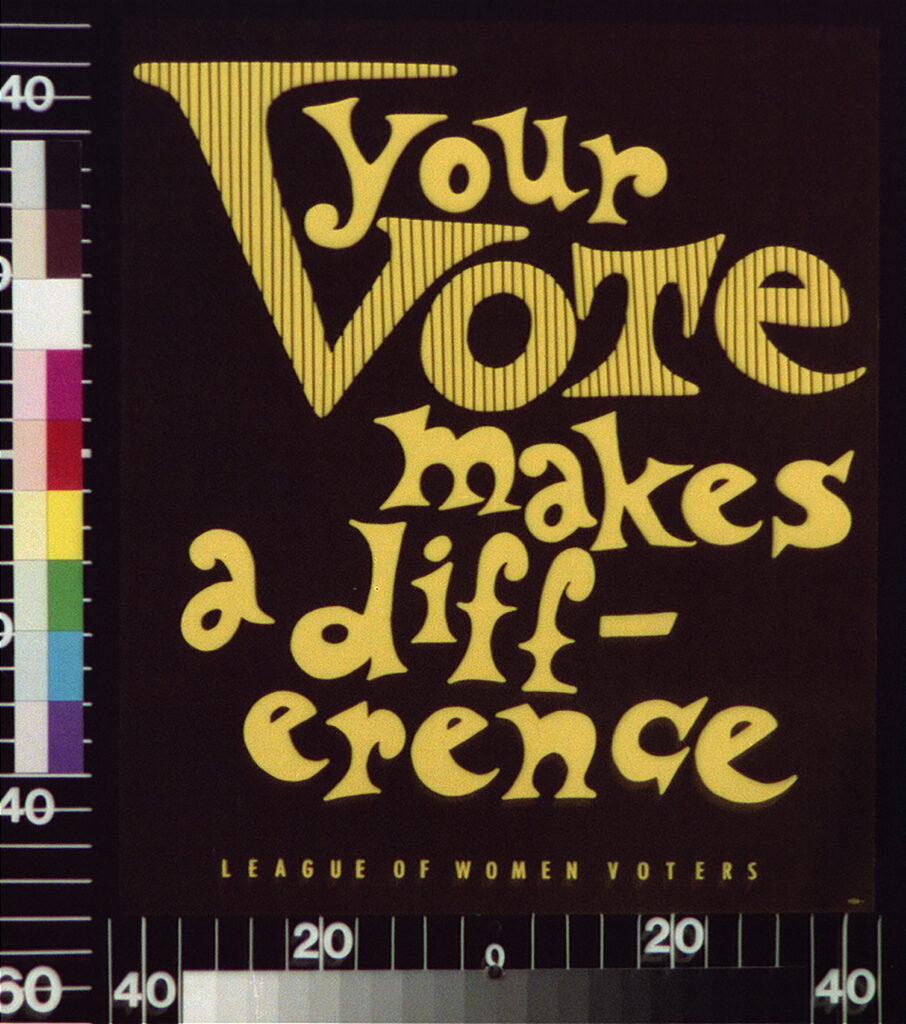
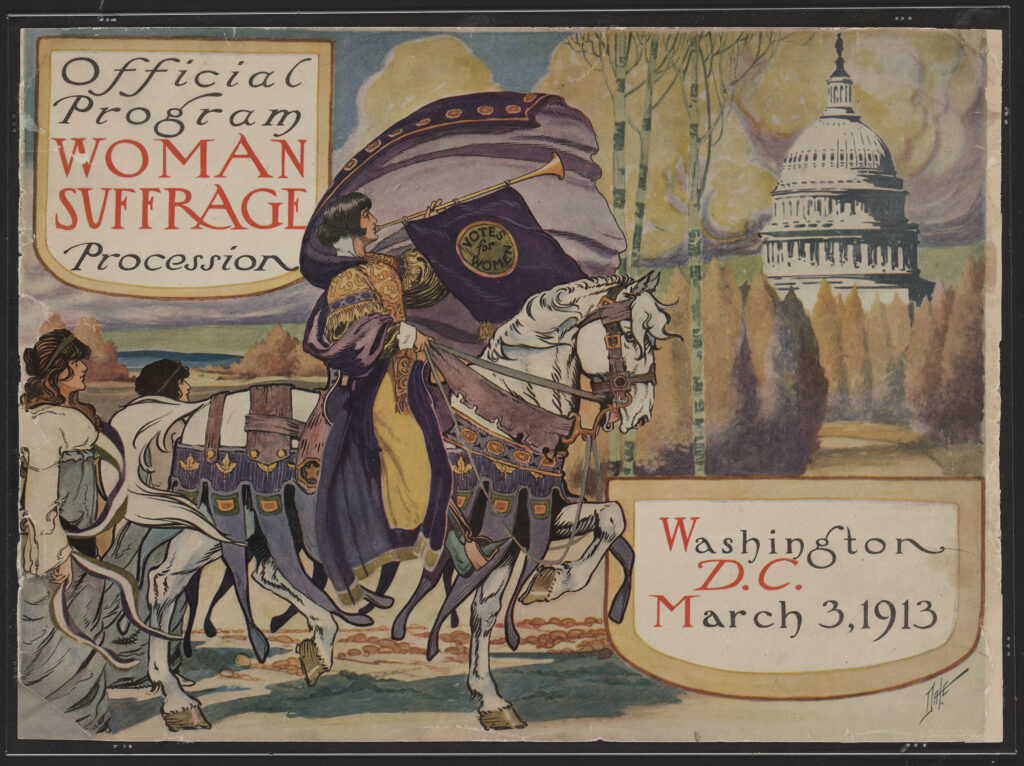
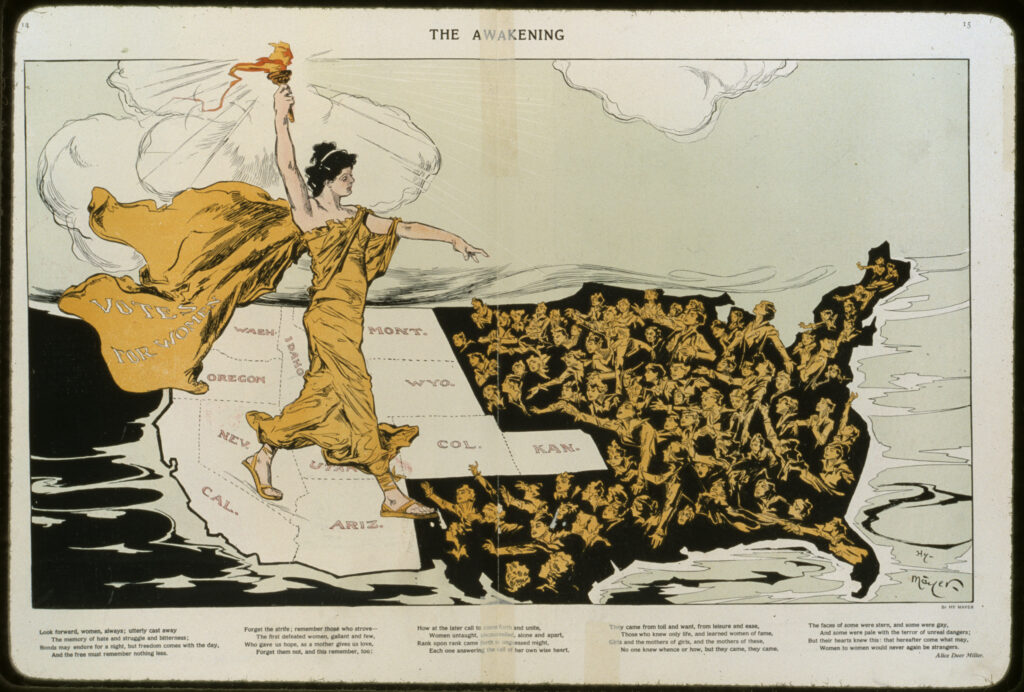
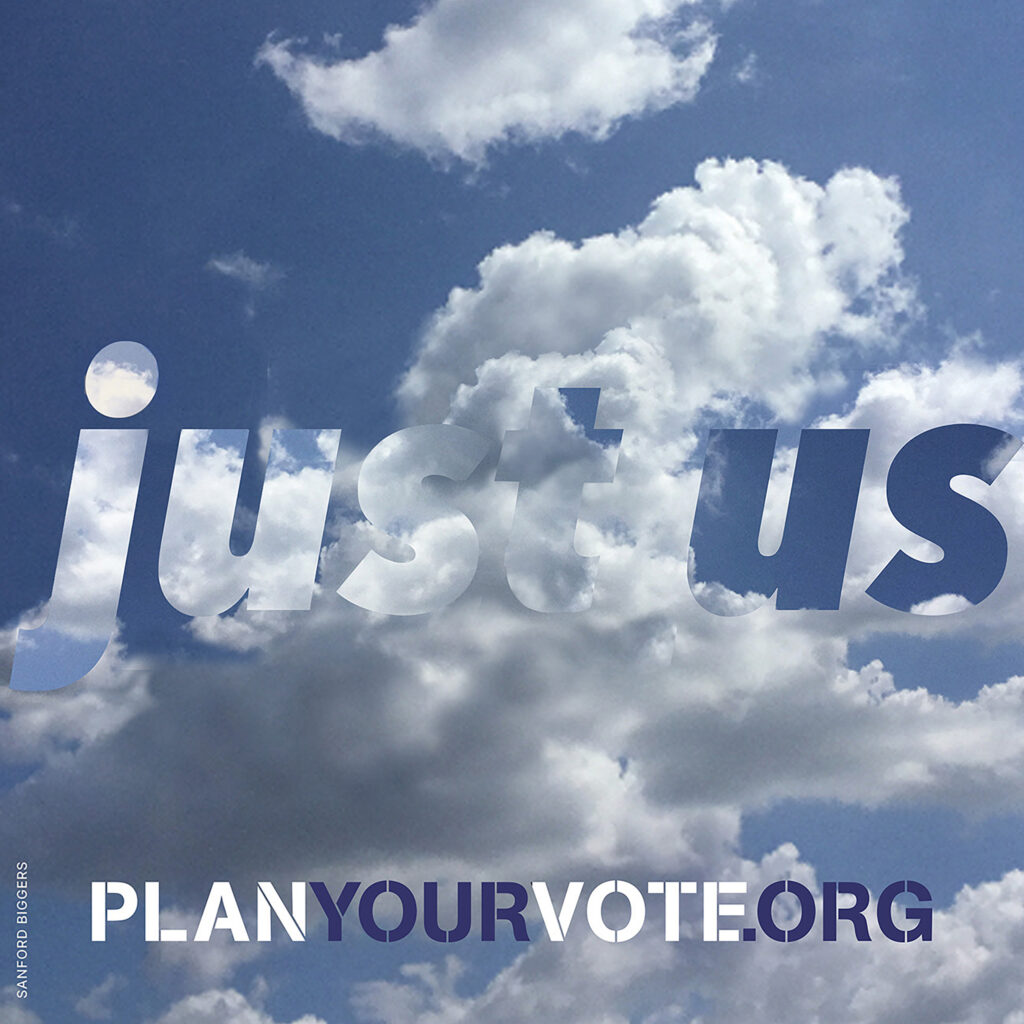
The image above shows Rea Irvin’s 1912 poster, We Want Our Rights, featuring women’s suffrage leader Susan B. Anthony at the center as she confronts a man with an umbrella. Other vivid calls to action include The Awakening (1915) by Henry Mayer; an encouraging poster by the League of Women Voters (1965); an official program for the March 3, 1913 suffrage march on Washington by Benjamin Dale; and a contemporary take on political signage by Sanford Biggers for planyourvote.org.