Artworks & Preservation
Digital Copies
As museums embrace digitization, the Oklahoma City Museum of Art has used the Google Art Camera to create nearly 700 high-resolution images of its collection and launch an online archive that opens its holdings to anyone with an internet connection.
BY Maury Ford
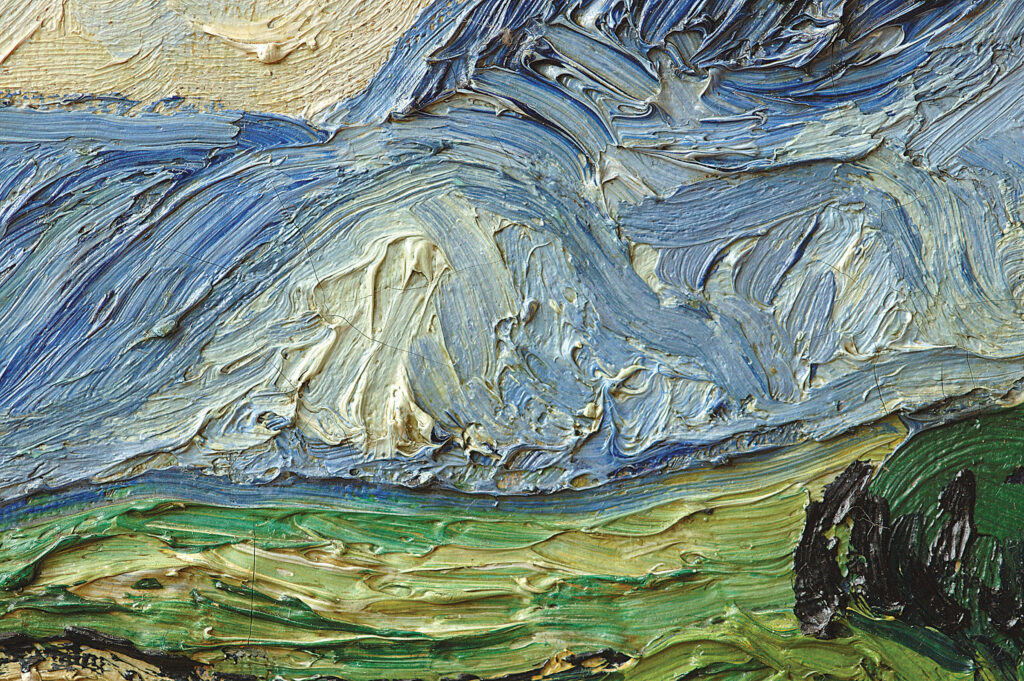
WITH TIME COMES PROGRESS. As technology evolves and becomes more accessible, museums large and small have embraced digitization as a powerful way to engage with their audiences, preserve collection objects, and advance research. For museums, this means creating a version of the works of art in their permanent collections, usually for use in an online format. These objects can take many forms: digital images, videos, or even virtual reality reconstructions. The American Alliance of Museums (AAM) defines digitization as “the creation and management of digital objects from physical, analog originals.”
One of the most significant benefits of digitization is the increased access to collection objects. Previously, museum collections were only accessible to those who could physically visit the institution. Even then, museums are only typically able to show around 5 percent of their holdings. Now, through digitization, museums can make their entire collections available to anyone with an internet connection. Digitized collections have allowed museums to reach a global audience and share their unique collections, exhibitions, and programming with people throughout the world.
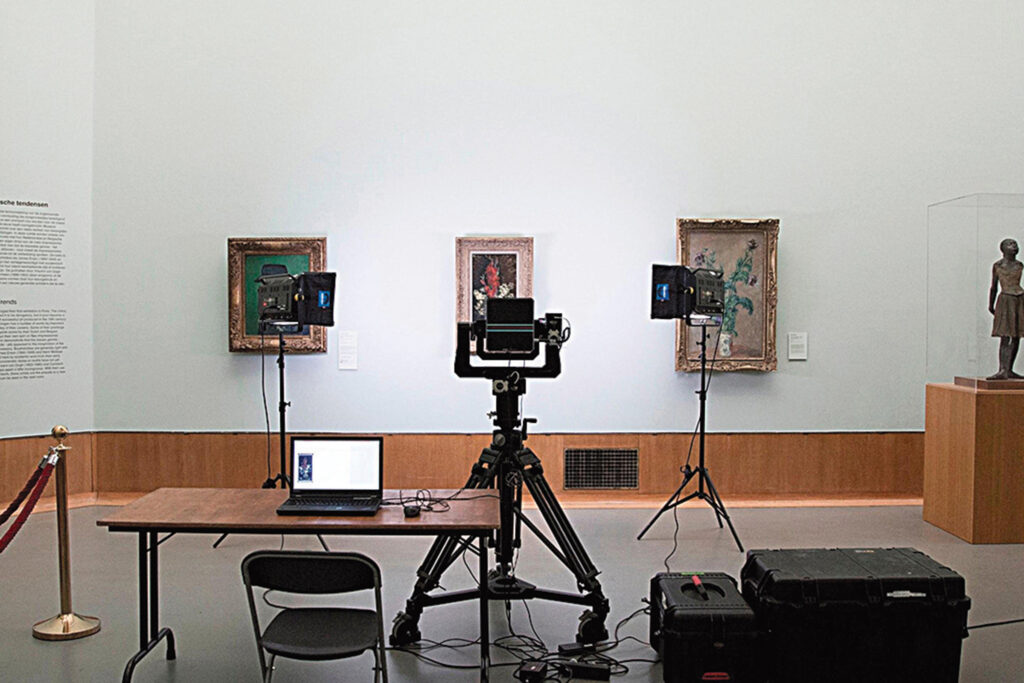
Digitization has also had a significant impact on the preservation of collections. Museums are tasked with preserving their collections “in perpetuity” for the benefit of the public. This creates the challenge of managing access versus long-term preservation. Digitization offers a solution to this challenge by providing an alternative means of preserving these items. By creating digital copies of physical objects, museums can protect them from physical wear and tear while also making them accessible to the public.
In addition to providing access and preservation benefits, digitization has created new opportunities for research and scholarship. Scholars, students, and researchers can now access collections from museums around the world without the need to visit each institution in person. This has greatly increased the speed and efficiency of research, allowing scholars to make new discoveries and connections that may have been previously impossible.
However, the process of digitization is not without its challenges. One of the biggest obstacles museums face is the cost of digitizing collections. Digitization requires specialized photography equipment, editing software, and personnel, all of which are expensive. Additionally, the process of digitization is time-consuming and labor-intensive, requiring not only the creation of digital objects, but also their associated metadata to aid in searching and retrieval.
There is also the need to balance the desire for increased access to museum collections with the nuances of intellectual property and ethics surrounding cultural heritage. Museums must carefully consider copyright and publicity rights prior to utilizing digital resources, especially in contemporary art. It is also important for museums to consider equity and inclusion when providing access to digitized collections. Creating online experiences that are in compliance with the Americans with Disabilities Act (ADA) and respectful of the communities involved in the creation of cultural objects is crucial to providing true access to all.
Digitization is also having a major impact on my institution, the Oklahoma City Museum of Art (OKCMOA). With a small staff and limited resources, digitizing the collection historically took a backseat to other more pressing short-term projects. Our priorities changed rapidly during the Covid-19 pandemic. Suddenly, all of programming shifted online and digital resources were critical to maintaining engagement with the community. We quickly realized that we needed to improve our digital resources if we wanted to stay relevant.
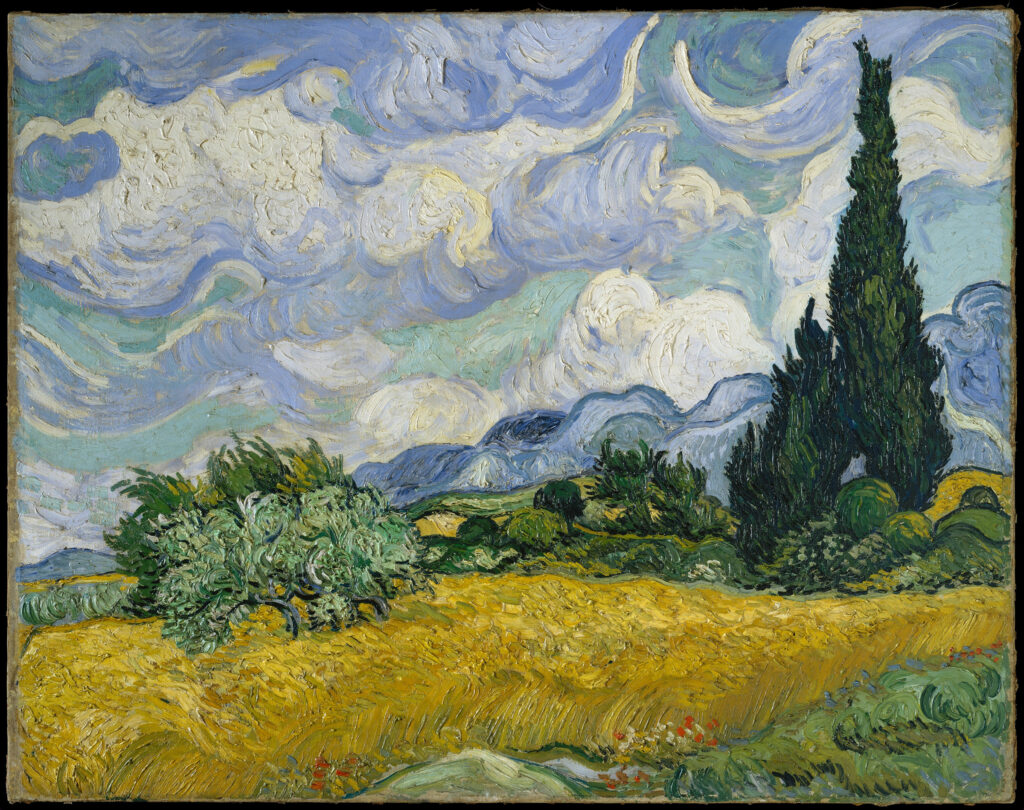
In March 2021, funded by Kirkpatrick Foundation (publisher of ArtDesk), OKCMOA began a phased project to digitize the collection and provide increased online access to the collection. In the past two years, with additional help from the Google Art Camera, OKCMOA has created nearly 700 new high resolution images of collection artworks.
The latest, and personally, most fulfilling, by-product of this partnership is OKCMOA’s online collection. Launched in March 2023, collections.okcmoa.com allows visitors to our website to browse our entire permanent collection online and even save their favorite works into collections of their own. I am excited to be a part of the future of this resource and witness the global impact it will have on students, scholars, and art lovers.
Maury Ford is the director of Collections and Exhibitions at the Oklahoma City Museum of Art.