Build an Art Collection
There is no blueprint for a typical collector, and amassing art in any form is a highly pleasurable activity involving looking, learning, and listening.
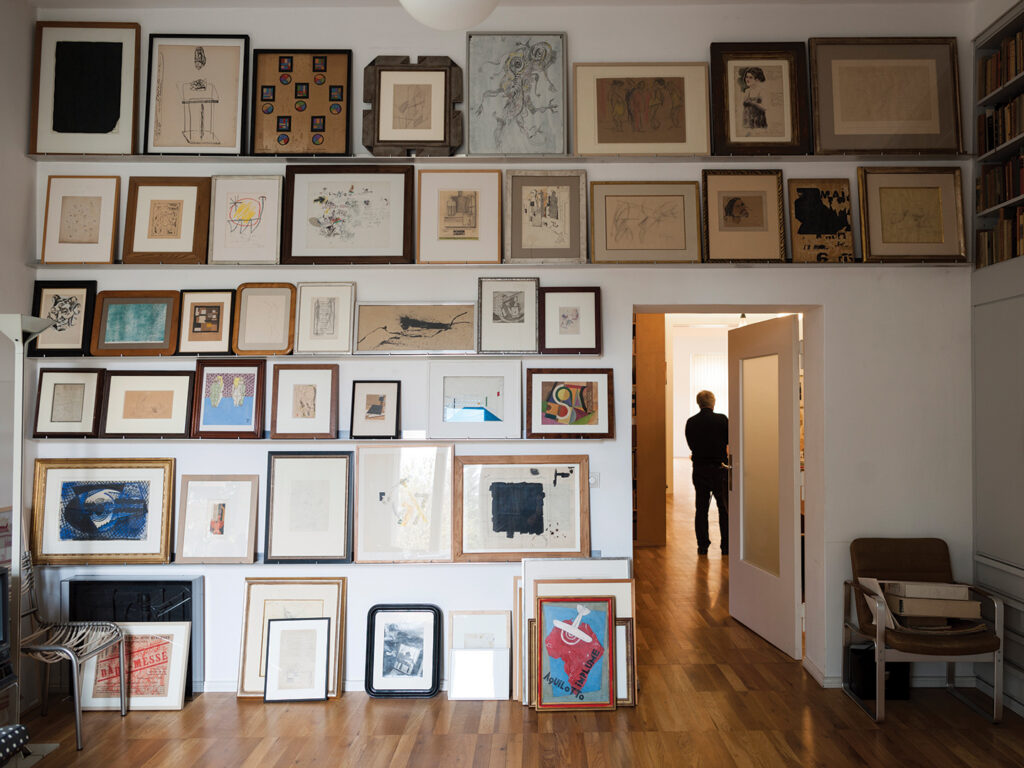
THAT’S FOR THE 1%, surely? Collectors are often indeed billionaires, but also corporations and simply individuals with not very much money to throw around. They can even be restaurants, as was the case with the Colombe d’Or in Saint-Paul de Vence, France, where, in the 1920s, proprietor Paul Roux accepted paintings in lieu of cash as payment for meals. The artist-diners comprised a then-relatively impoverished crowd that included Matisse, Picasso, Léger, Chagall, Calder, and Braque, all of whom, over time, went on to command high prices as their reputations soared. The large, now highly valuable, museum-quality collection currently adorns the hotel and restaurant.
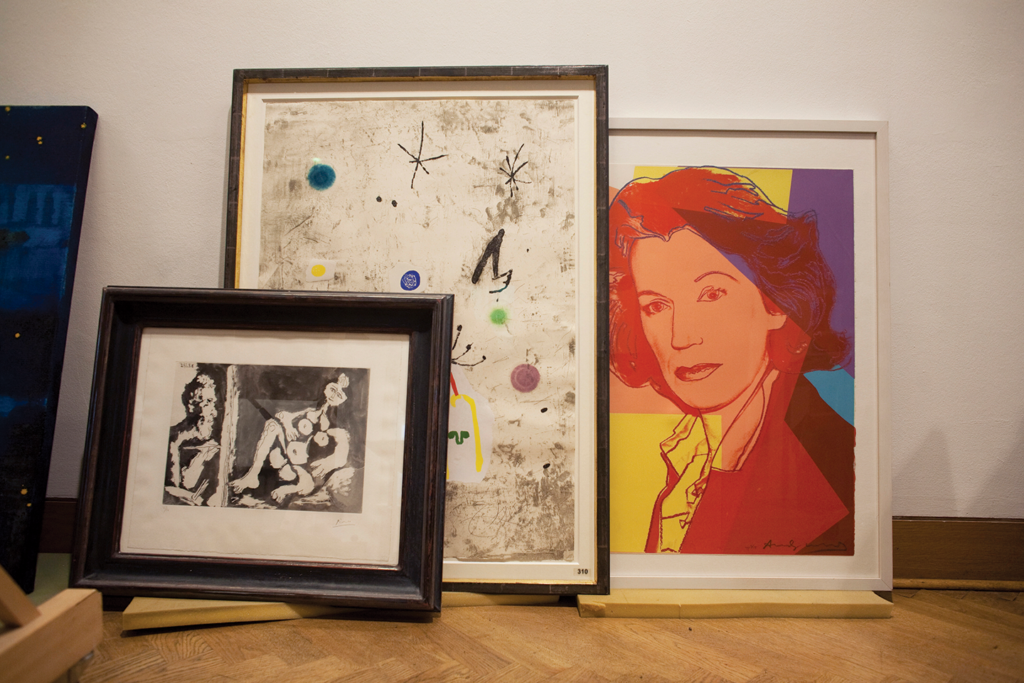
Collecting can be personal, emotional, and intuitive. It can be objective, strategic, and aimed at a return on investment. Or it can be a mix of both. A collector may zero in on a very specific area of art production or be as wide-ranging and free as they choose. For individuals, unlike institutions, there are no rigid rules regarding how, why, and what to buy, only limitations of resources—time, money, and space. Motivation for acquiring art or artifacts usually stems from a sheer love of culture and a wish to share in it, a desire to encourage emerging talent, a great respect for artists of the past, or just from following a particular interest in art history, interior design, and decoration.
It helps to remember that there is no blueprint for a typical collector, and the novice should take heart knowing that amassing art in whatever form is a highly pleasurable activity involving looking, learning, and listening. Taste and knowledge become more refined over time, and so getting rid of some pieces that don’t quite work out (“deaccessioning” in museum parlance) is always an option. Mistakes are occasionally made by everyone; it’s part of the learning curve, so accept it and gracefully move on.
While there may be no hard and fast rules, there are definitely guidelines which apply at all levels of collection formation. Whatever is being assembled—paintings, prints, photographs, sculpture, whether large or small scale, low cost or expensive, it is helpful to seek out expert advice through all stages of the process from acquisition, care, and management to possible dispersal and legacy. Art is a passion and the people already involved in it—professors, students, practitioners, museum guides, and curators—are generally enthusiastic and willing to encourage others to get on board.
A good way to start is by going to student degree shows and talking to the graduates. It is here at the cutting edge that one can get a sense of developing trends in art and obtain a firsthand account of how it is created. You might find a future star and pay very little for it. Think of the renowned British dealer John Kasmin who saw David Hockney’s degree show at the Royal College of Art in London, bought most of it, gave him an exhibition, and launched the artist’s career.
If contemporary art doesn’t appeal, visit museums and art centers, check out local auctions, aiming eventually to move on to specialist dealers. Whatever the interest, be it Japanese netsuke, Hollywood memorabilia, illustrated books and manuscripts, impressionist or medieval art—no end to the possibilities—seek it out diligently, badger the experts, and, when it comes to actually buying it, acknowledge that decisiveness is a good trait for a collector to possess.
In the zeal to acquire, knowledge and cost of aftercare sometimes gets overlooked. For 2D works, sturdy frames and acid-free mounts protect the art from being knocked or, worse, dropped. Because excessive light is the enemy of watercolors, photographs and textiles, UV protective glazing can help to prevent the harmful effects of sunlight. 3D work such as sculpture, glass, or ceramics often need specialist cleaning and treating, and then, getting into the higher echelons of collecting, an awareness is required of storage needs, documentation, conservation—things to bear in mind from the outset before purchasing takes place. There are also tax implications to consider when divesting oneself of part, or all, of the collection either during and after one’s lifetime.
Don’t be daunted by any of this. The rewards of collecting are many, not least because art is special, individual, and, for some, a gateway to experience the divine.
Getting Started
BUILDING AN ART COLLECTION IS EASY. IT JUST TAKES TIME.
- Artsy.net is an online platform showcasing a range of artworks from independent sellers and galleries.
- Etsy.com is a marketplace for independent artists, providing a platform for one-of-a-kind artworks.
- Artspace.com provides access to exclusive collections and limited-edition prints from well-known and early-career artists.
- Selling more than 1.6 million original pieces with a wide price range, SaatchiArt.com offers a free advisory service.
- UpriseArt.com offers a selection of contemporary artwork by emerging artists.
- In Oklahoma City’s Paseo Arts District, JRB Art at the Elms offers pieces from up-and-coming and established artists. The nearby Paseo Arts Association hosts exhibitions of local art and an annual festival.
- TappanCollective.com is a gallery spotlighting a small group of emerging artists providing a platform for discovering diverse artistic talent.
- Artfinder.com is a marketplace where buyers purchase directly from artists.
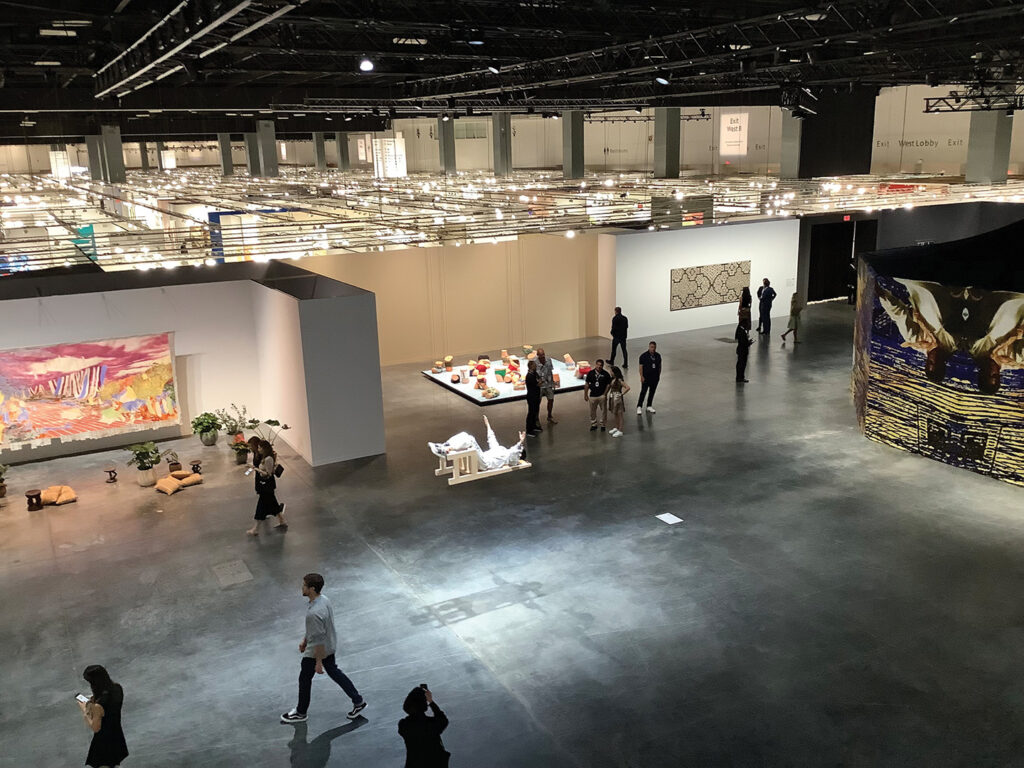
- Art fairs are an excellent place to hone a point of view for seasoned and novice collectors. A few to get started are NADA in Miami, Art on Paper in New York, and the Affordable Art Fair which tours cities across the globe.
- Finally, estate sales, garage sales, stoop sales, Facebook Marketplace, eBay.com, LiveAuctioneers.com, and local thrift stores can yield hidden gems at great prices. This fall, an N.C. Wyeth painting purchased at a New Hampshire thrift store for $4 was sold at auction for $191,000.