BOLD MOVES AND BIG ART
DIA at 50
The Dia Art Foundation celebrates its 50th anniversary with a retrospective on its landmark role in supporting minimalism, land art, and experimental practice, from Walter De Maria's Lightning Field to Louise Bourgeois and the iconic Beacon museum.
WITH ITS GOLDEN Jubilee in 2024, the Dia Art Foundation will commemorate five decades of revolutionizing contemporary art.
Conceived in 1974 by visionary art dealer Heiner Friedrich, his future wife Fariha Friedrich (then Philippa de Menil), and art historian Helen Winkler, Dia emerged as a powerhouse of modern art, driven by an audacious vision and the initial generous financial backing from the de Menil family, already famous art patrons in Houston. You can’t do things on a giant scale without money, and Philippa de Menil, the youngest daughter of Schlumberger executive John de Menil and his wife Dominique, provided the essential financial support. (Winkler came into the picture as she was previously employed by Fariha’s parents.)
Dia’s go-big-or-go-home philosophy over the years is exemplified by Walter De Maria’s mile-wide The Lightning Field, which features 400 stainless steel poles across the New Mexico desert. Dia has championed groundbreaking artists such as Donald Judd, Dan Flavin, and Andy Warhol—but it was not until the 2000s that more women and people of color were included. Dia’s impressive portfolio includes Robert Smithson’s iconic Spiral Jetty in Utah, the extensive installations in Marfa, Texas, spearheaded by Donald Judd, and other monumental works that continue to captivate art enthusiasts worldwide.
In 1979, Heiner Friedrich and his wife Fariha refocused their art goals and fully embraced Sufism, converting a firehouse into a mosque. Today, Fariha Friedrich is the spiritual guide and sheikha of the Nur Ashki Jerrahi Sufi Order in Manhattan. Friedrich poured $35 million of her heiress money into Dia before the stock market downturn in 1984. Then things got ugly! In 1985, the New York Attorney General investigated Dia’s financial practices, forcing Friedrich to resign.
The founders’ patronage of big-name artists was Medici–like, but not everyone appreciated it. Coosje van Bruggen, art critic and wife of artists Claes Oldenburg once commented, “Holding a lot of the work of one artist becomes a power play. You create freedom for the artist, but the artist can become a prisoner.” The founders wanted Oldenburg to become part of Dia, but he said no. Richard Serra also resisted Dia’s largesse, saying, “I didn’t want to be an employee of anybody. And I wasn’t comfortable with the attitude of Dia über Alles.”
In the early 1980s, the oil industry downturn forced Dia to take out a $3.8 million loan from Citibank, secured by 140,000 of Fariha’s shares. Despite these challenges, Dia still maintained approximately 700 works in storage. During this period, more than 250 Warhol works were offered to the Andy Warhol Museum, and Cy Twombly’s paintings were sold to the de Menils in Houston.
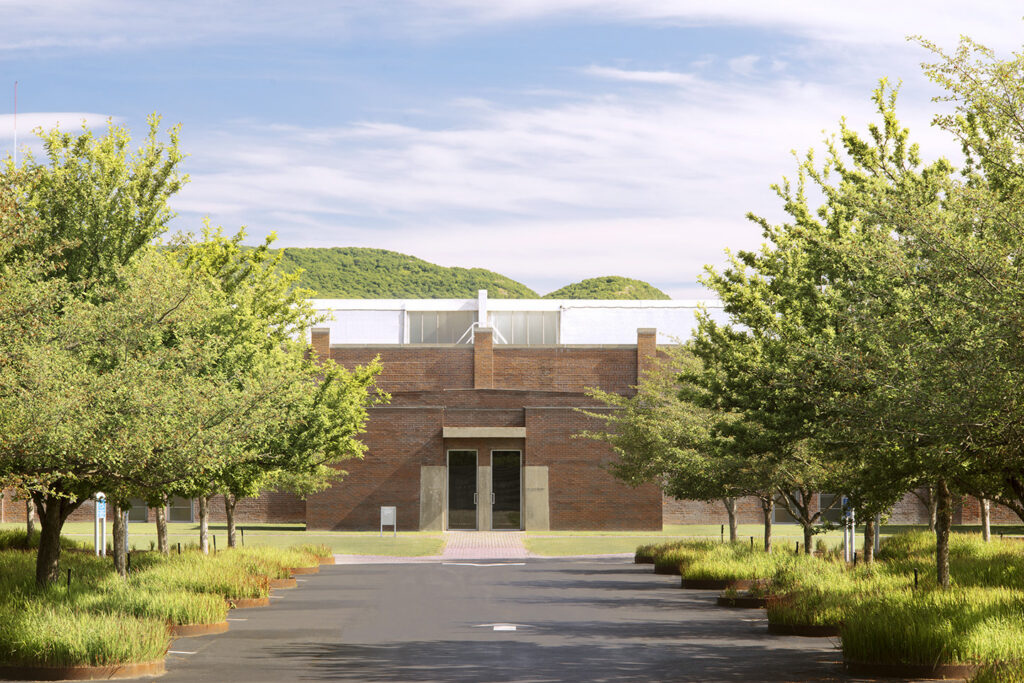
In 1999, Michael Govan, then-director of Dia Art Foundation, noticed an abandoned Nabisco box factory in Beacon, New York, fifty-nine miles north of Manhattan. The foundation purchased the building from International Paper Company for $2 million, with its faded Nabisco sign, beautiful light, and hardwood maple floors. Thanks to a $30 million donation from Leonard Riggio, then chairman of Barnes & Noble and Dia, the factory became Dia:Beacon, Riggio Galleries in May 2003. A $15 million endowment from the Lannan Foundation also helped Dia double its collection. In a nearly 300,000-square-foot historic printing factory, Dia:Beacon occupies 240,000 square feet of gallery space on the eastern bank of the Hudson River.
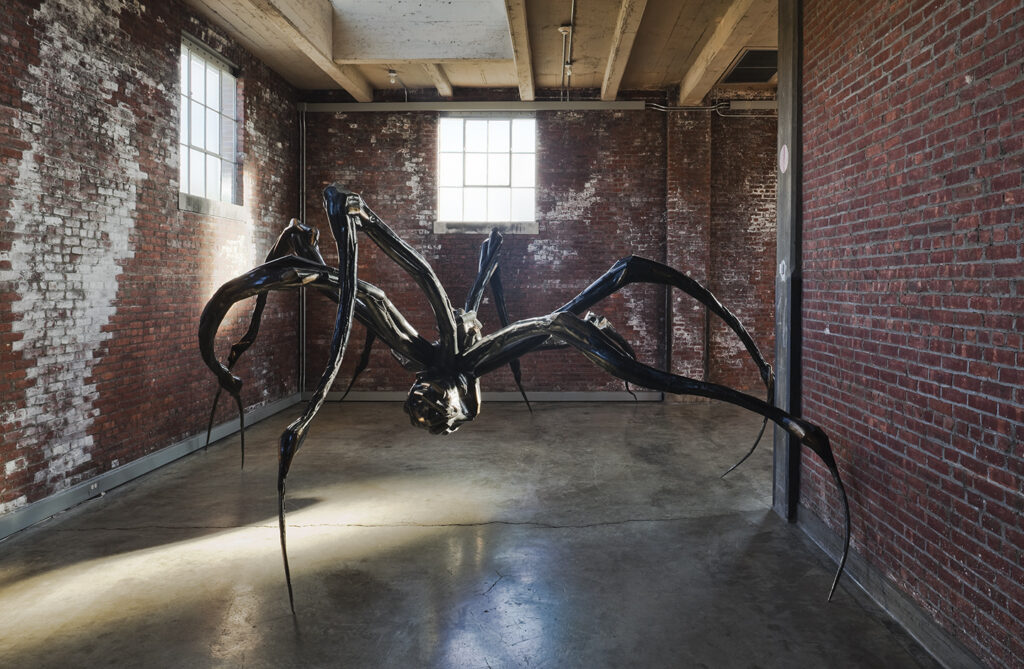
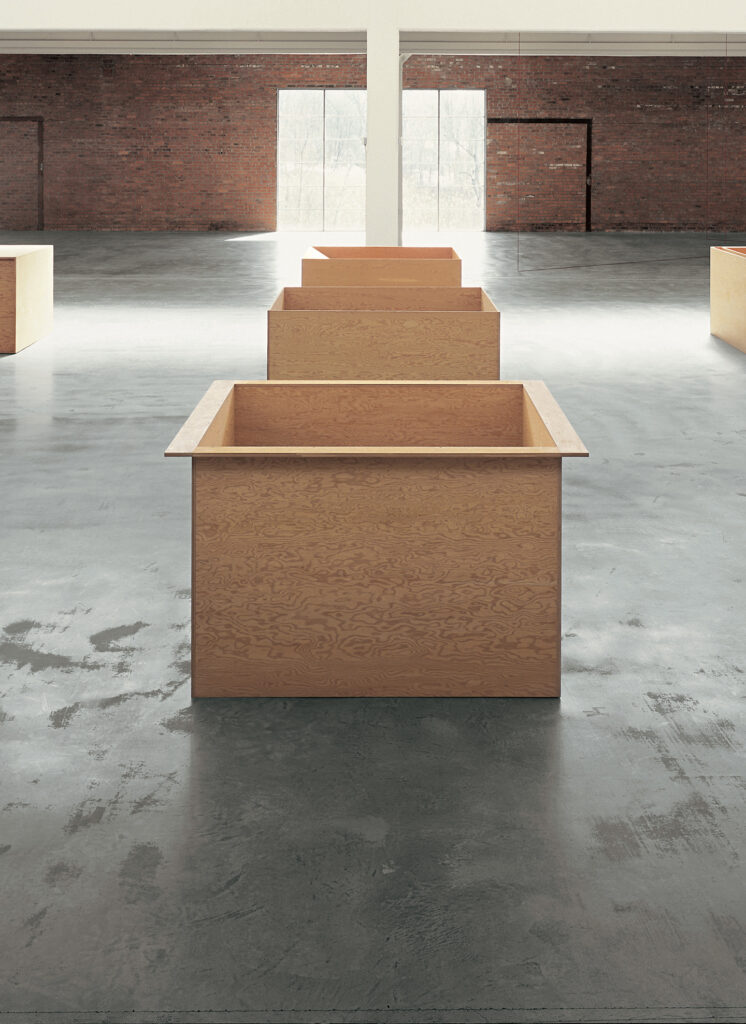
Dia:Beacon attracted 40,000 visitors in its first months and received critical acclaim, helped along by a $2.7 million state and local investment. Celebrated works like Richard Serra’s Torqued Ellipses, Andy Warhol’s Shadows, Donald Judd’s Untitled plywood boxes, and Louise Bourgeois’s Spider are uniquely displayed in expansive, light-filled spaces.
From the 1960s to today, Dia Beacon (they dropped the colon) has become a major attraction with its modernist and minimalist art in a twentieth-century industrial space featuring skylights and broad wall spans. Dia maintains a strong New York presence, hosting artists like Robert Whitman and Joan Jonas in the 1970s and 1980s. It has recently embraced digital platforms and new media, reopening Dia Chelsea in 2020.
As Dia celebrates its fiftieth anniversary, it continues to push contemporary art boundaries under director Jessica Morgan and chair Nathalie de Gunzburg. This milestone marks Dia’s enduring legacy and its commitment to pioneering new frontiers in the art world. Here’s to another half-century of bold moves and big art.