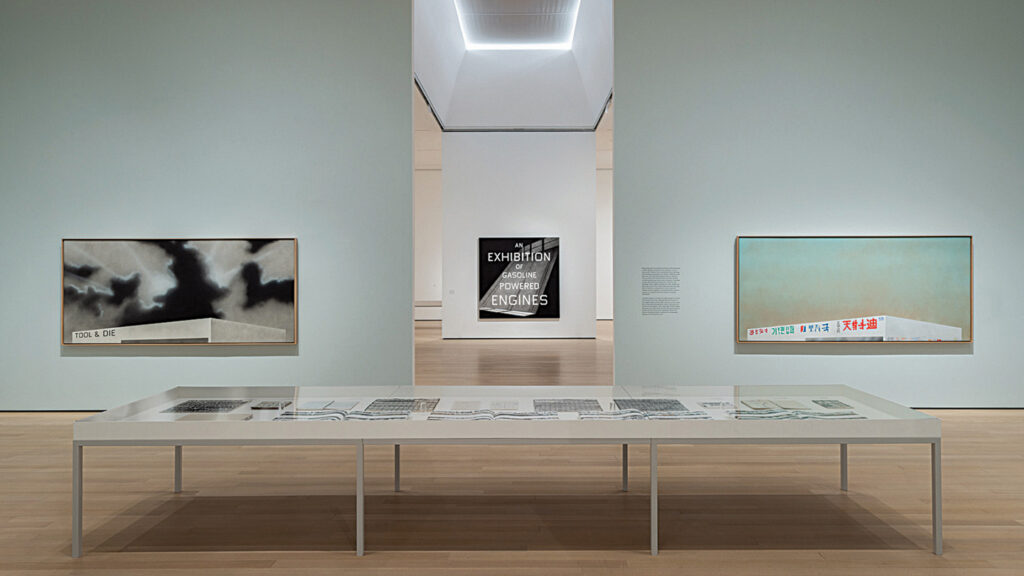
THE VERB “curate” was absolutely verboten in the late 1990s during my junior curatorial years at the Museum of Modern Art in New York. Exhibitions are organized—not curated. Now the pretense around the notion of the expertise attached to the task of organizing exhibitions has been enthusiastically embraced by all. Within a decade from my time at MoMA, I noticed the verb gaining traction with clothing stores, Christmas gifts, and trays of charcuterie being curated by their respective connoisseurs.
The word “curator” is from the Latin curare, from which the word “cure” is derived, referring to the spiritual care of souls and later to the medical care of bodies. The operative word is “care” in the sense that curators—be they of art museums, anthropological sites, or zoos—are in charge not just of the artworks, artifacts, or specimens but also of the scholarship, the framing of ideas, the advancing of thought around the works they show.
Good curatorship entails a combination of research, instinct, an impeccable aesthetic, and editorial sensibility. Research and education can give way to a historical grasp of the subject and a wide scope of knowledge of cutting-edge works or under-the-radar artists worth bringing to the foreground.
While scholarship matters, sensibility is also key. Depending on the thought put into layout and design, physical aspects of the framework can either buttress or diminish the proposed concept of an exhibition. The formal presentation and selection of objects requires a sharp sense of scale, lighting, and visual cadence. Line of sight can warrant moving a painting an inch to the right. To plinth, or not to plinth? That is a question posed by an artist’s intention. Just as there are steadfast universal standards for average eye level or center justification for installing art, there are artworks that benefit from dispensing with rules—particularly contemporary art hardwired to disrupt monotony or the post-medium diversity that sometimes defies the logic of equidistant display.
Placement is a critical aspect of any curatorial practice—what goes next to what; which works are grouped together; which works warrant rooms of their own; which exhibitions are best laid out chronologically or thematically. It is not an accident that the word “juxtaposition” is a favorite word among curators. It is not happenstance that the creamy apricot Marilyn Monroe roses are planted next to the Rosa ‘John F. Kennedy’ cultivar at the Huntington Library, Art Museum, and Botanical Gardens where, yes, there is a dedicated curator of the rose collection.
Context and points of reference add to the understanding of the objects on display. For example, the current exhibition at Oklahoma Contemporary, ArtNow: The Soul Is a Wanderer, organized by guest curator Lindsay Aveilhé, came together through a cross-disciplinary call-and-response, using Joy Harjo’s poem A Map to the Next World as the call. All the works by the featured artists were created or selected in response to the poem.
Among the exhibitions I worked on at MoMA, The Raw and the Cooked was conceptualized by Robert Storr, who paired outsider art with the work of “insiders,” artists like Louise Bourgeois, Jean Dubuffet, and Pablo Picasso, drawing inspiration from the primal and childlike forms and colors of naive artists (children and psychiatric patients among them) to defy modernist principles deemed stale.
Art does not come about from spontaneous combustion, nor does it exist in a vacuum. Objects are products of forces—of desire, change, need, technological innovation, historical convulsions, migratory patterns, social upheaval, and imagined possibilities. Curators pay attention to a multitude of details—not just logistical but also philosophical—if care is to be evident in the custodianship of objects and the stewardship of conversations they trigger.
It is through exacting standards of what’s worth including and what warrants excluding that a curatorial thesis yokes with rhyme and reason. A keen aesthetic eye is important in creating balance and nuance, the anticipation in the Beethoven pause, the gem of a surprise, the crescendo, then the ellipsis. All the reverberating sensations and thoughts that one acquired going through an exhibition, long after being distracted by the curated baubles in the gift shop upon exiting the museum.