What is an Art Fair?
Despite a recent period of art-market contraction, when sluggish sales have shuttered galleries, art fairs remain highly relevant to the art world ecosystem. They provide a unique platform where artists and dealers can be discovered and, in our increasingly digital age, allow people to fall in love with an artwork—and maybe even take one home.
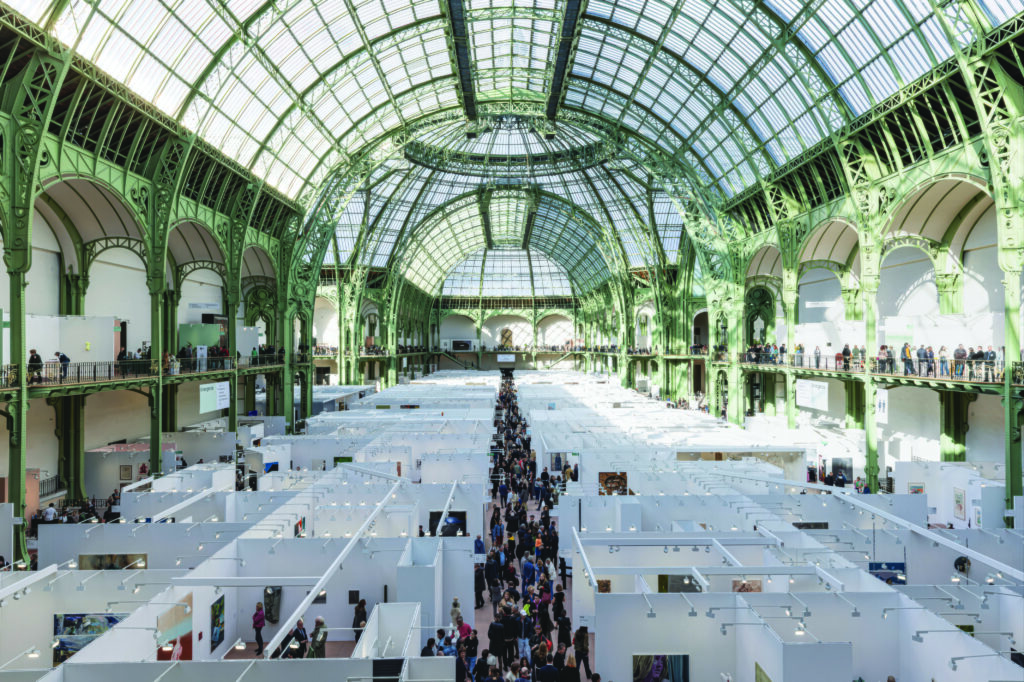
IT SEEMS LIKE NO matter where you go on the globe—Istanbul, Singapore, or even Fish Creek, Wisconsin—there is an art fair going up or coming down. But how did we get to this place? What is an art fair, exactly?
Considered by many to be the first fine art fair, Art Cologne in 1967 was essentially a specialized trade show or, in other words, a mobile presentation of vendors in the tradition of fairs that had been taking place in Europe since medieval times. Soon after, Art Brussels (1968) and Art Basel (1970) emerged as annual events, with the latter creating the art fair standard we know today—rows and aisles lined with pristine white boxes.
Since then, some innovations have popped up on the art fair timeline.
The first, appearing in February 1994, was the Gramercy International Art Fair, also known as the first modern hotel art fair. Created by New York City art dealers Colin de Land, Pat Hearn, Matthew Marks, and Paul Morris, this fair for emerging artists and galleries was held across a series of hotel rooms in Manhattan’s Gramercy Park Hotel.
A surprise hit, the show evolved out of the hotel and into an art fair powerhouse, known today as the
Armory Show. While the Gramercy show was the first to reinvent the art fair model, the institution Art Basel would be the first to internationalize it. Through the efforts of officials in Miami, Florida, and collectors such as Don and Mera Rubell, America’s homegrown playground for the wealthy convinced Art Basel to launch the fair’s first edition outside its namesake city with the inaugural Art Basel Miami Beach in 2002. This power move would not only trigger an avalanche of future expansions for Art Basel and its competing fairs; it would also eventually push galleries to open their own satellite locations around the world.
Now art lovers have hundreds of international contemporary art fairs to choose from, with many wooing collectors with unique locations, niche concentrations, or “vibes.”
Despite a recent period of art-market contraction, when sluggish sales have shuttered galleries, art fairs
remain highly relevant to the art world ecosystem. They provide a unique platform where artists and dealers can be discovered and, in our increasingly digital age, allow people to fall in love with an artwork—and maybe even take one home.
WHAT IS AN Art Fair?
Here, we have put together a (very) short list of some of today’s most unmissable, innovative, and unusual art fairs, ranging from blue-chip insiders to upstart outsiders.
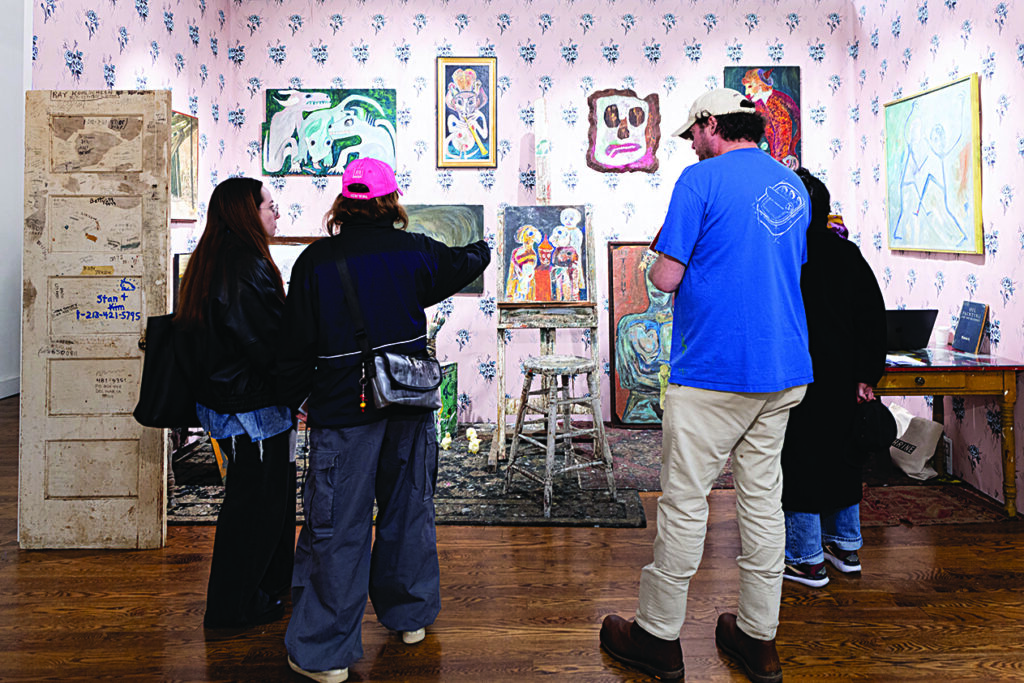
OUTSIDER ART FAIR
(New York, March 18–21, 2027)
Galleries that focus on outsider artists, such as Phyllis Kind in Chicago, started popping up across America in the mid-1960s. But it wasn’t until 1993 that an entire art fair for the genre
emerged: the Outsider Art Fair in New York City. Dedicated to self-taught art, art brut, and outsider art, this annual event brings visibility to some of the world’s most marginalized artists. “The global stage the fair provides is life-changing for so many of the artists shown,” says fair director Elizabeth Denny. But for OAF’s passionate collectors, this fair is just as transformative. For both seasoned and first-time buyers, these “extraordinary artists remind us that great art can come from anywhere and in completely unexpected ways,” says Denny, noting that OAF is also particularly “known for inspiring contemporary artists, because it reminds them why they started making art in the first place.”
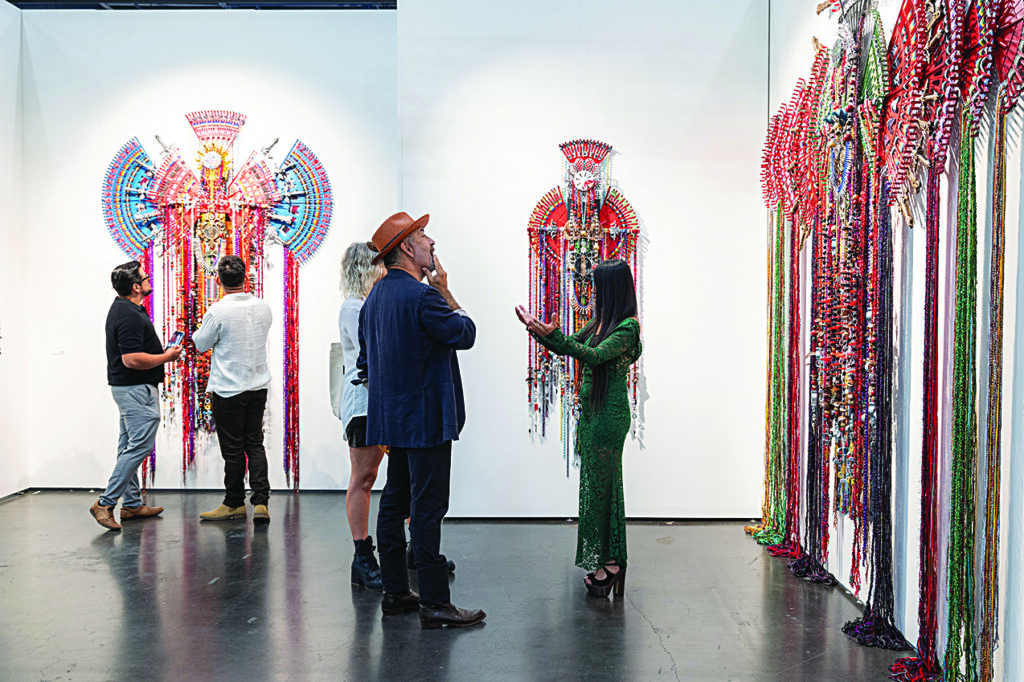
UNTITLED ART
(Houston, October 2–4, 2026, and Miami, December 2–6, 2026 )
Founded in 2012 by veteran fair organizer Jeffrey Lawson, Untitled Art was certainly not the first fair at Miami Beach, but it was the first on Miami Beach, thanks to a cutting-edge tent design and an impressive ability to navigate red tape. With a curated coterie of contemporary a rt galleries, Untitled Art took advantage of Miami’s main attraction: its sparkling sand beaches. Working on an art collection and a tan at the same time was, unsurprisingly, a huge success. The fair’s latest venture is a westward expansion: Untitled Art, Houston, which launched last September with nearly ninety exhibitors inside the city’s George R. Brown Convention Center. Although they didn’t bring the beach with them this time, Untitled Art’s H-town move doubles down on tailoring experiences to fit its host’s needs. “[We feel] an art fair should support the art ecosystem,” says Clara Andrade Pereira, executive director, adding that the fair spent a long period engaging in “close dialogue with the local arts community.” This resulted in stronger art fair programming, including a six‐day VIP extravaganza. So far, Texas loves what it sees.
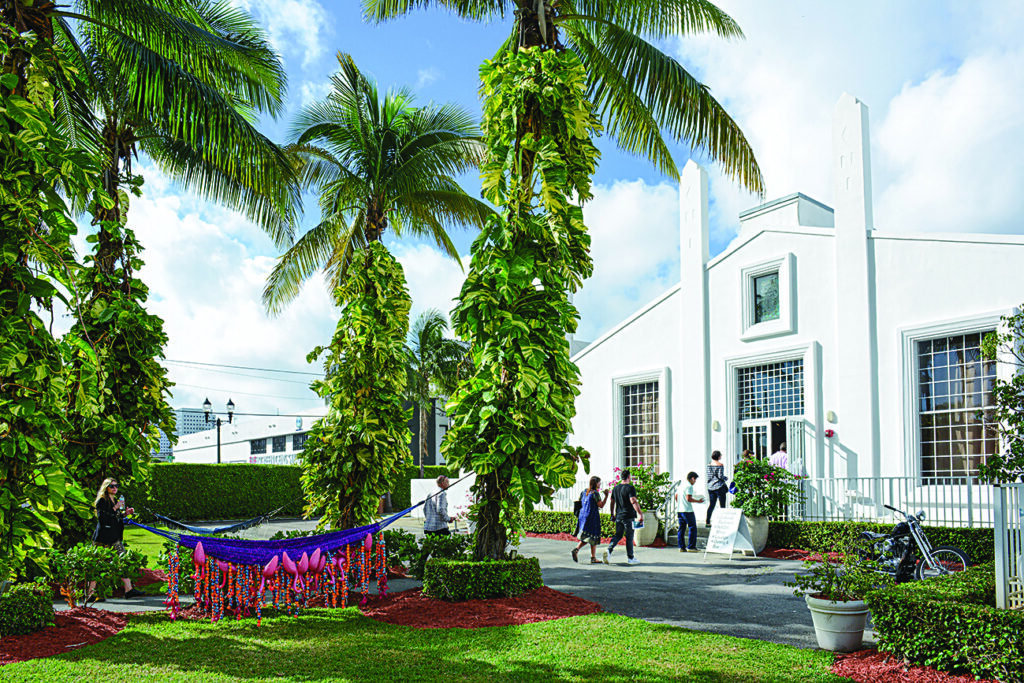
NEW ART DEALERS ALLIANCE
(Miami, December 1–5, 2026, and New York, May 2027)
The New Art Dealers Alliance (or NADA for short) wasn’t even launched as a fair at first; it began in 2002 as a collective-support community for emerging galleries and young art professionals. NADA launched its inaugural flagship fair, NADA Miami, a year later, and it quickly became the antithesis of Art Basel Miami Beach: a friendly, youthful hub of newbie dealers and emerging artists, on whom a new class of investor-collectors was eager to bet. “[NADA] was, and still is, about the thrill of the hunt,” says independent art consultant Beth Terry. “Seeing an emerging artist rise to the level of blue-chip as Yu Nishimura has done is invaluable.” (The artist showed at NADA in 2022 with KAYOKO YUKI Gallery and rose to fame with a solo at David Zwirner Gallery in 2025). Now with a second fair, in New York, and events in Warsaw and Paris, NADA has become a mainstay on art fair itineraries.
INDEPENDENT
(20th Century, September 25–27, 2026, and Independent, New York, May 2027)
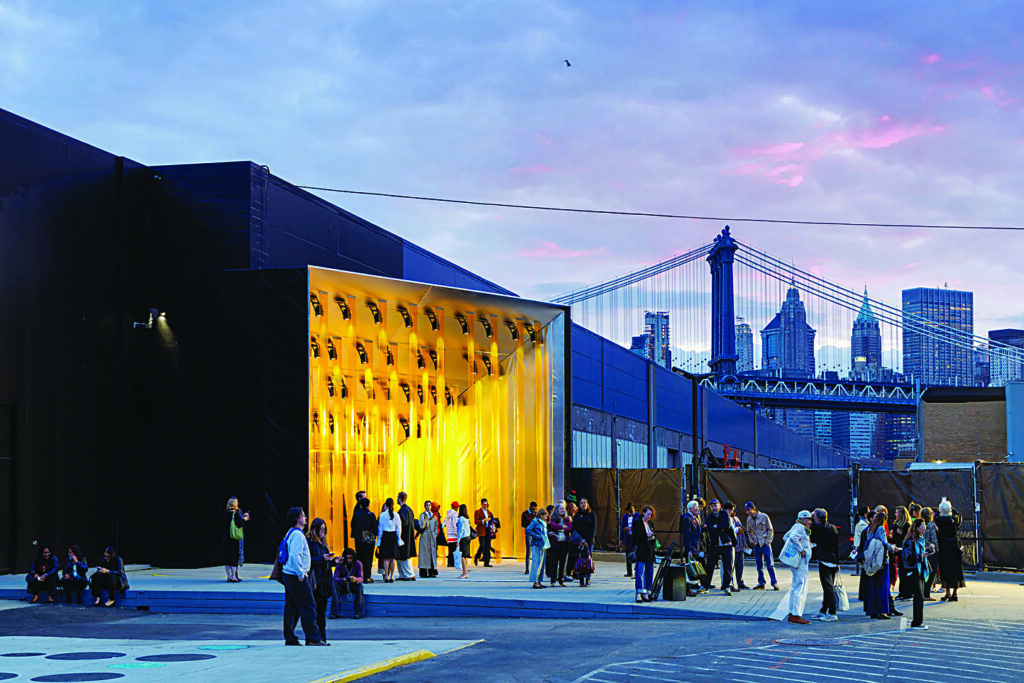
Conceived in 2009 by founder and creative director Elizabeth Dee, Independent was designed to be an alternative to traditional fairs. “Art fairs were the most outdated, ossified exhibition models of the twentieth century, and they were in deep need of a curatorial reset and new models,” says Dee, who added that these are concerns “Independent is addressing today on a curatorial and economic level.” Her remedies include comprehensive digital platforms that feel like curated companions to the physical fair, editorial commissions from leading arts writers and historians, programming that reaches far beyond a week of fair dates, and even in-house consultancy services. And now, with two unique fairs per
year (Independent and Independent 20th Century, the latter focusing on overlooked artists and movements from the 1900s), Dee’s brand is ready to evolve based on the ever-changing needs of its buyers and sellers.
U-HAUL ART FAIR
(New York, September 25–27, 2026)
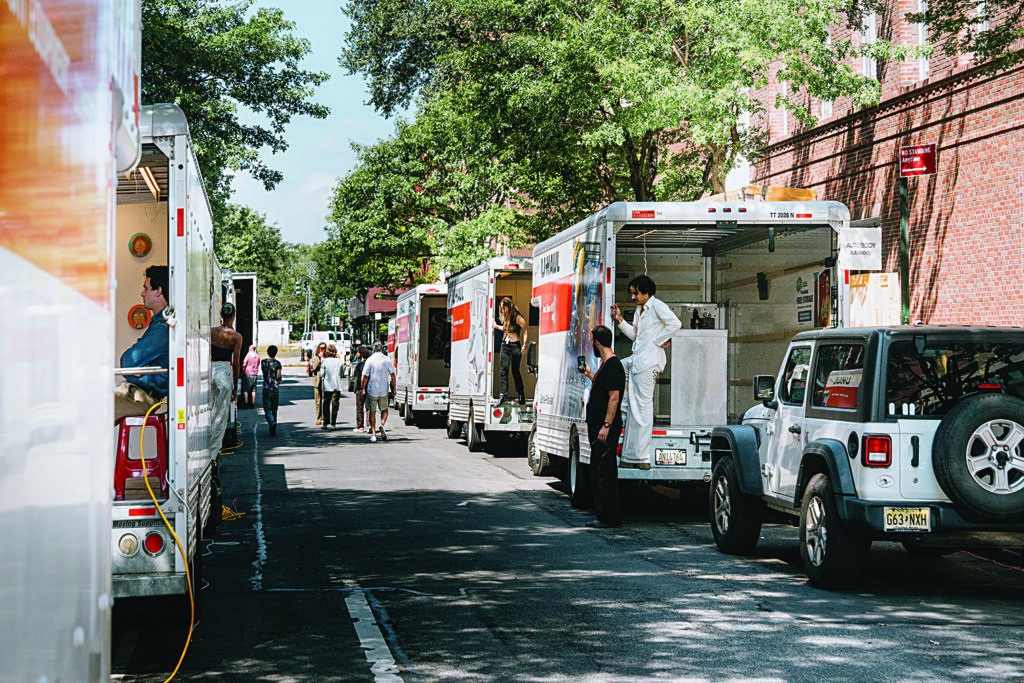
When James Sundquist and Jack Chase decided to translate their roving art gallery housed in a U-Haul truck into a mobile art fair, a fleet of trucks went on reserve, and the U-Haul Art Fair was born—and legally parked within the Chelsea neighborhood of Manhattan. “We are offering freedom and access without any of the hoopla associated with big-budget art fairs,” says Chase. The reasonable fair fee covers truck rental, insurance, building materials, and marketing, but according to the owners, exhibitors also get “non-mechanically conditioned air and the opportunity to bring your coffee and food from the outside world,” adding that “we don’t need to confiscate it at the door, because we don’t have one.”