The Power of the Performing Arts
Green Box executive director Scott Levy talks with Ben Cameron, president of the Jerome Foundation, about memorable arts experiences, lessons from a life in the arts, and why the arts matter in America today.
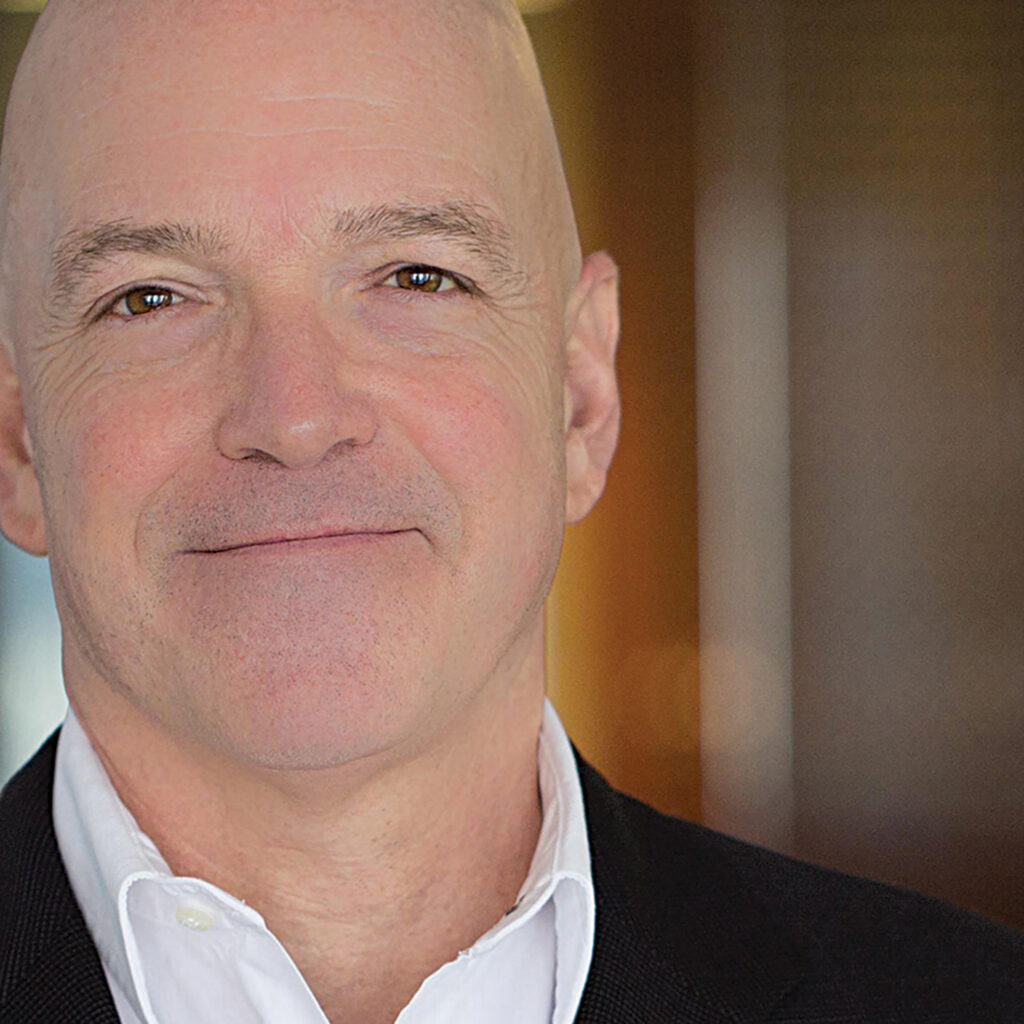
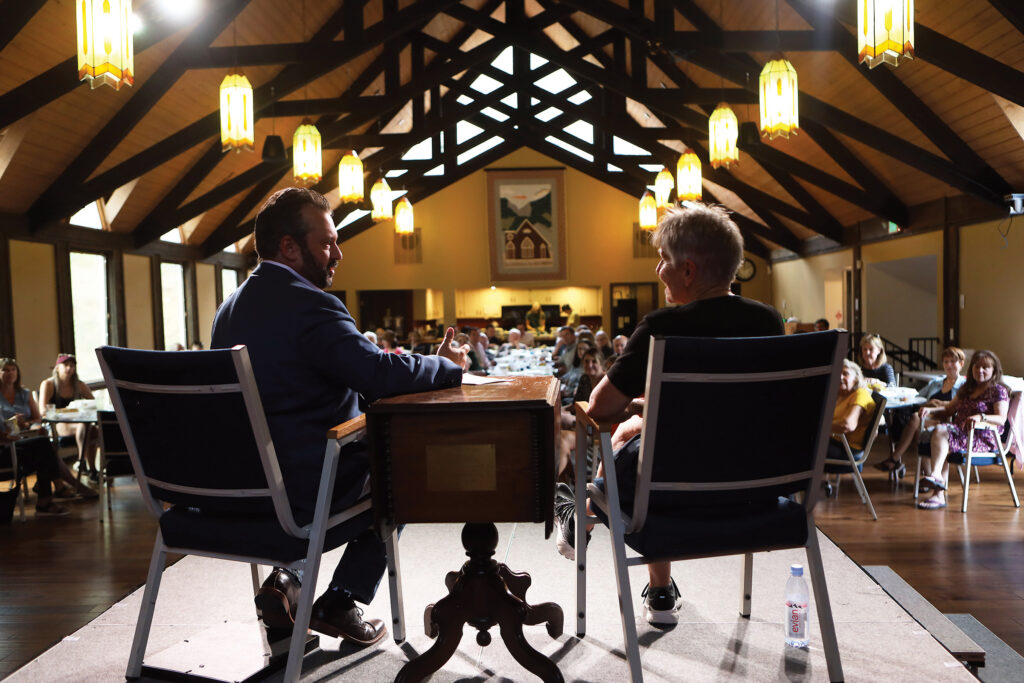
Ben Cameron is president of the Jerome Foundation and the country’s leading arts expert in capacity building. This summer, Cameron and Green Box executive director Scott Levy will be featured conversationalists in the 2022 Colorado season of ArtDesk Conversations.
SCOTT LEVY: You are a lover and promoter of live arts experiences. Can you name some of the most memorable arts experiences in your life?
BEN CAMERON: I’ve been lucky enough to have extraordinary experiences, so I could do this all night. One of the really galvanizing experiences I’ve ever had was a production of The Cherry Orchard at Lincoln Center in 1978. It was an extraordinary experience for me because I was not familiar with the play but my grandfather once had an apple orchard. Upon his death, the people who bought it cut down all of the apple trees, tore the house down, and built condos. So I’m watching a 100-year-old play that speaks to my family’s situation, and it was life-changing for me.
Another great experience was a production of Jack and the Beanstalk by the Junior League of High Point, North Carolina, when I was five. It was the first time I ever saw theater in my life, and I just didn’t know what to make of it. It’s not TV. They’re right there! That was a big moment for me.
At the Metropolitan Opera, I saw Leonie Rysanek’s farewell at Jenufa. She was a great soprano in her day and one of those extraordinary, great actors. I stood and screamed myself hoarse every second of the forty-five minutes of curtain calls that followed her final bow until they had to bring the fire curtain down. Then she arrived in the front and said, “Please go home. I get it. I’m grateful. Please go.”
SL: What are some of the most important things that you’ve learned throughout your career?
BC: A lot of what training and the arts world inclines us to focus on is What do you want to do and how will you do it to the best of your ability? How do you really heighten your game to be maximally effective in whatever it is you’re choosing to do? I believe those are two incredibly valuable questions. I think the question that we often jump past is, Why is doing that important in the first place? How does the work we elect to do in our lives nourish us spiritually? How does it embody and convey the things that are deepest to us and that we hold most close to our hearts in terms of our values?
I’ve learned that your values may not change very much in your life, but opportunities to express them may change dramatically, maybe out of your control. How is it you continue to lead a life of purpose that allows you to stay connected to your values? My own belief is that burnout is not about physical exhaustion. Burnout occurs when you’ve disconnected from your core values. You can work twenty hours a day on something you believe in, but three or four hours on something you don’t believe in and you’re exhausted.
I’ve learned about the importance of being clear about your own values, the importance of connecting your life to those values, and—even more than that—being perceptive enough to accept opportunities when they come your way. I’d say the really most valuable lesson is not always saying yes, but knowing when to say no. There are many times where we don’t have the courage to say no.
SL: What do we need to know about the arts in America today?
BC: I would probably say there are three things. Number one is regardless of your reaction to a particular arts experience, there is an arts organization out there with your name on it. Somebody is doing work that will resonate with you and your experiences and reflect your life and your culture and your history, and just because you’re drawn to one organization and you don’t see it doesn’t mean it isn’t out there. So number one is please believe me when I say there is someone out there who has something deeply and profoundly nourishing to offer you, and a part of our job is to help you find them.
Second thing: they can’t do it without your support. Not only do we need you in the audience, but what many people don’t realize is typically at most arts organizations, your ticket covers less than half the cost of what it takes to bring you that work, and if you’re an artist of color, if you are an experimental artist, if you’re just beginning, that percentage is even higher. The arts that exist in your communities really are there only to the degree to which you as a community can support them.
The third thing: people perceive the role of the arts as helping people be expressive—and that’s absolutely part of what the arts are about. But at a time when anybody can have a Twitter or Instagram account, I’m not sure we need the arts to teach us to be expressive anymore. The arts also teach us to listen deeply. It’s an invitation to listen emotionally, to listen intellectually, to listen spiritually.
In this country, in this moment where too many people don’t even want to be in the same room with people they don’t agree with, we’re going to have to find a way to live together, and the arts are where we can come together and listen together and be curious about each other and be generous about each other. That’s something we need in this country. That’s not about political doctrine. It’s the sheer phenomenon of being generous with each other in space—that’s what we are going to be asked to do and why the arts are going to be increasingly important to us going forward.
SL: Well said! I look forward to continuing this conversation in person at Green Box Arts Festival in July.