True Grit
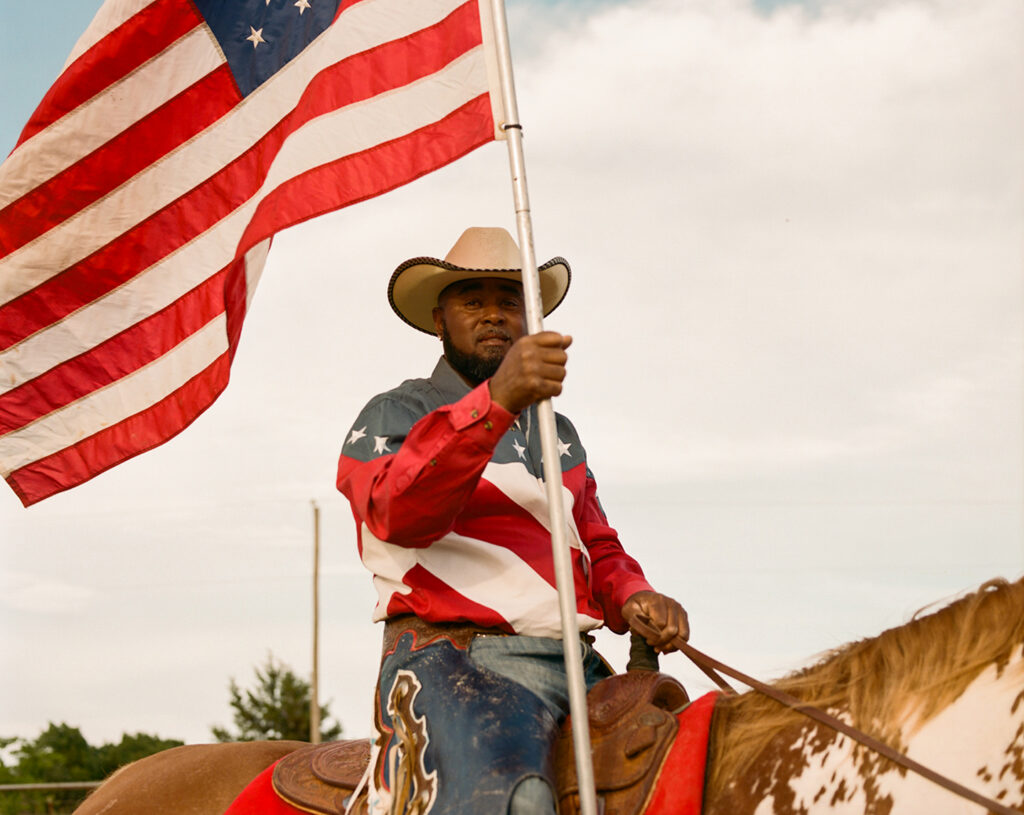
Ahead of his solo exhibition at Oklahoma Contemporary, The Black Land, photographer and documentarian Jakian Parks discusses his work with writer and guest curator Chloé Flowers. Through Parks' lens, the legacy of Oklahoma's Black rodeo culture unfolds as both history and art.
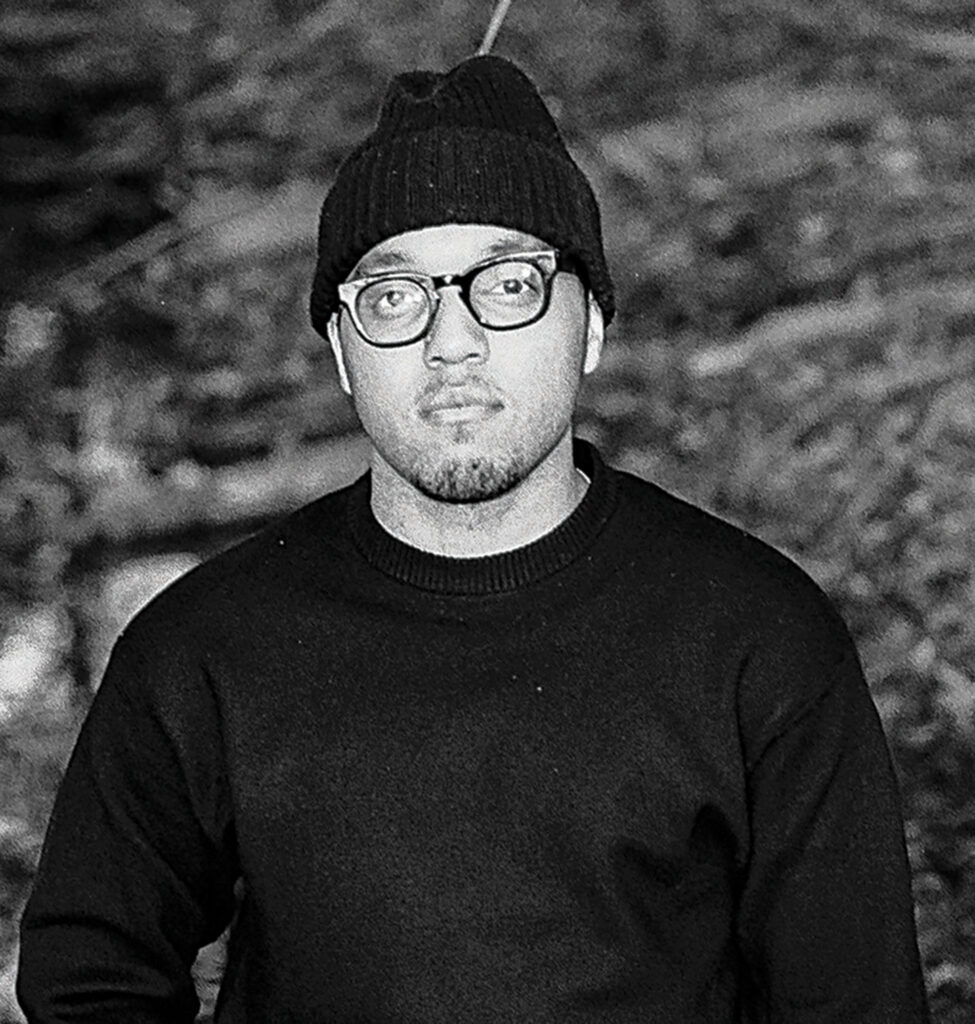
CHLOE’ FLOWERS: When we first met, it wasn’t as curator and artist.
JAKIAN PARKS: Yeah, we just met as friends. I remember the day that you met me, actually, through social media.
CF: I got on Instagram and searched #OKCphotographers, #OKCartists and your show came up.
JP: It was one of the first shows I ever did in the Plaza District. And it didn’t have no title or anything. It was just a photo show, me introducing my work.
CF: I saw pictures, and I saw a lot of Black people, and I was like, Where are all these people? Where do they hang out? So then I hit you up, and we immediately did a shoot together.
JP: That’s when I was doing a lot of editorial work, and shortly after that, I did I‑Opening: A Look at Black Excellence, and then we did The Rodeo Record.
CF: Yeah, that’s where everything started, our first real collaboration.I’ve never seen anything interest you like The Rodeo Record. From the very beginning, you were really obsessed with equestrianism.
JP: After that project is whenI learned that Black cowboys were still out here. I wanted to highlight them in a magazine type of style, Black Oklahoma in the equestrian world.
CF: You were on foot going to find people for me to interview, going to find stories for me to dig up.
JP: Being a historian.
CF: And from there, Oklahoma Cowboys was born.
JP: In that era, that was before Black cowboys was even a thing, you know.
CF: No Beyoncé, no nothing.
JP: There was no Pharrell. There was no Cowboy Carter. Nobody cared about what I was talking about. I was trying to make people care.
CF: And the more research I did about it, the more interested I got, and we were just researching cowboys and creating all these mini projects. But then out of nowhere it became popular and we were like—What?
JP: It was a Reel that exploded on social media. After that went viral, people were finally gaining awareness of Black cowboys in Oklahoma, that they even existed. Growing up, my [late] aunt Shay took me to rodeos, and that’s how I got a love for the equestrian lifestyle and rodeo community. She bought me my first cowboy boots, put me on my first horse, everything. She was very pivotal to my equestrian lifestyle.
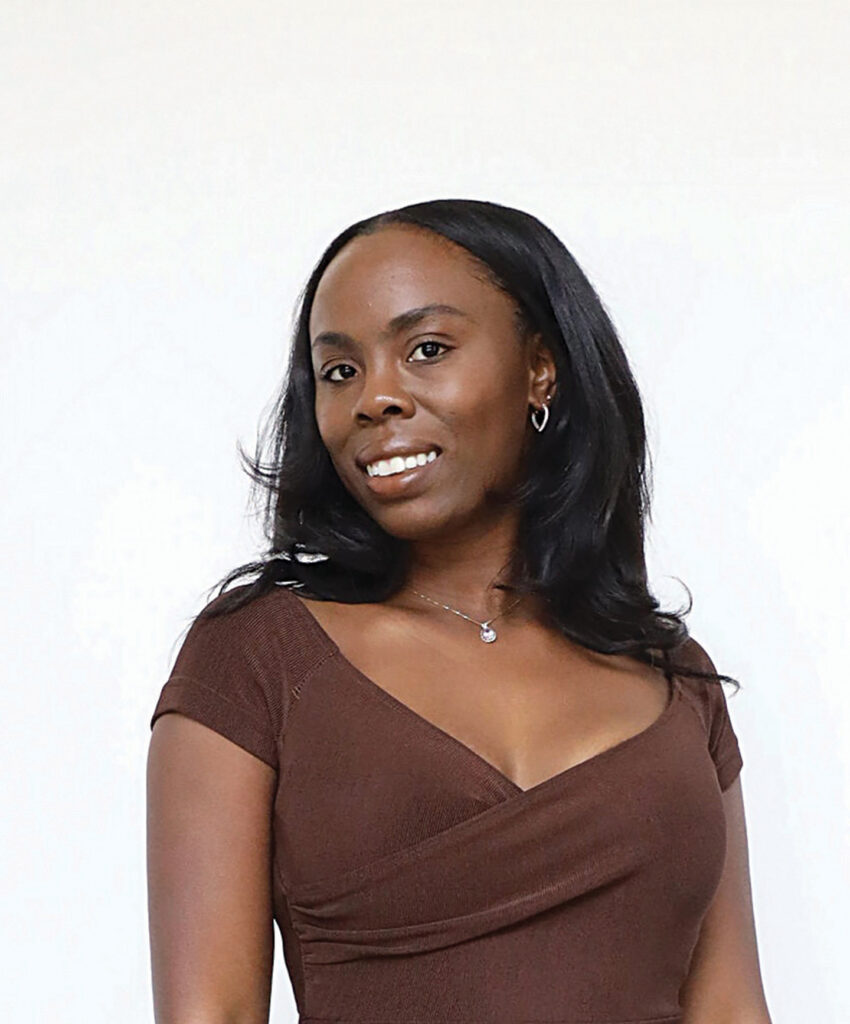
CF: A lot of the work that we do, we always honor her. Shay Nolan. And now look at you. Just imagine her face when she saw people from Oklahoma City going to Paris and walking in a Pharrell Williams Louis Vuitton show on your behalf. You’re still so young, and you carry that legacy around with you. You represent the Oklahoma cowboys, and it’s really powerful that she planted that seed in your life.As a curator, I’m excited for people to see Blackness in a contemporary space with the opening of The Black Land, and be able to educate the community about Black equestrianism. It feels like a cultural movement that’s happening in a space where it doesn’t traditionally happen.
JP: This is the most perfect place for it to happen. It’s going to be nice for other Black people to see themselves in that space.
CF: I feel like Black people have been robbed of their excellence, and robbed of some of the ways they’ve helped America grow and become what it is. The Black Land speaks to the growth even through everything that’s been taken from us, stripped from us, even with people seeing Black lives as less important or less valuable. This exhibition is the time to represent the fact that beauty and success doesn’t look like what people think it looks like in America. Beauty and success and everything that we’ve endured is what The Black Land represents.
JP: You know, there was a movement for Oklahoma to be an all‑Black state because it had the most Black towns in it. Most of the photos [in the exhibition] are shot in thirteen of those Black towns, including Taft, Rentiesville, Boley, and specifically Clearview, Oklahoma, where my grandmother was raised and born.
CF: Obviously there are Black cowboys in Houston, and Dallas, and in Los Angeles, and other places. But when it comes to Oklahoma, I feel like everybody that is Black and in Oklahoma is aware of the significance of Black cowboys. It’s beautiful, and I think it calls cowboys from everywhere to Oklahoma. The space and the terrain and the land itself really holds space for equestrianism, Black equestrianism.
JP: And The Black Land.
CF: And The Black Land.
The Black Land will be on view at Oklahoma Contemporary from November 6, 2025, through June 1, 2026.