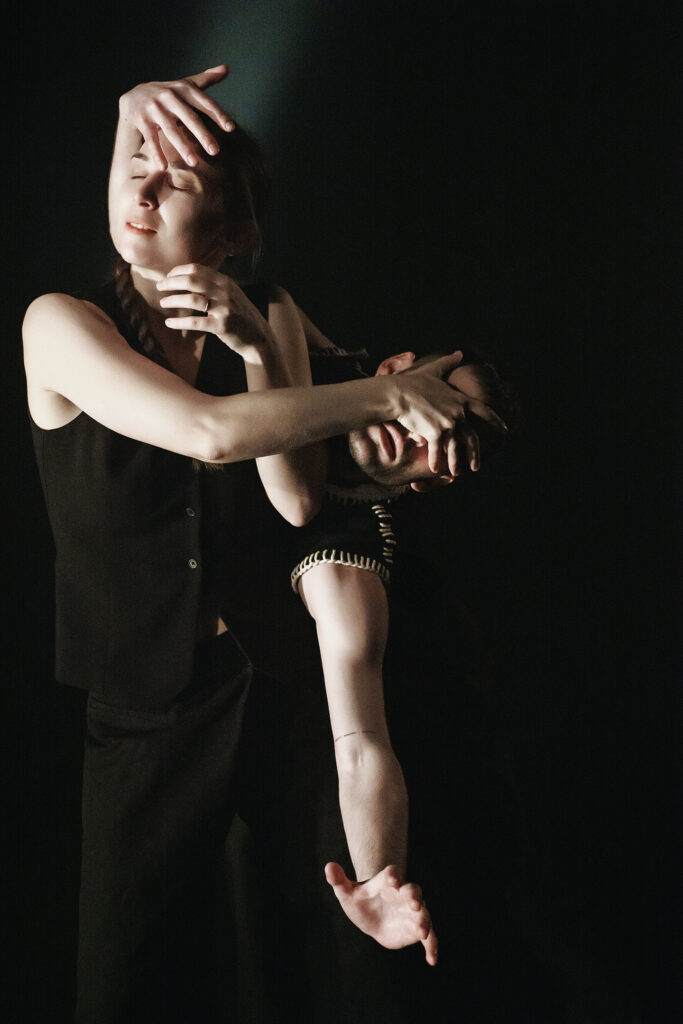
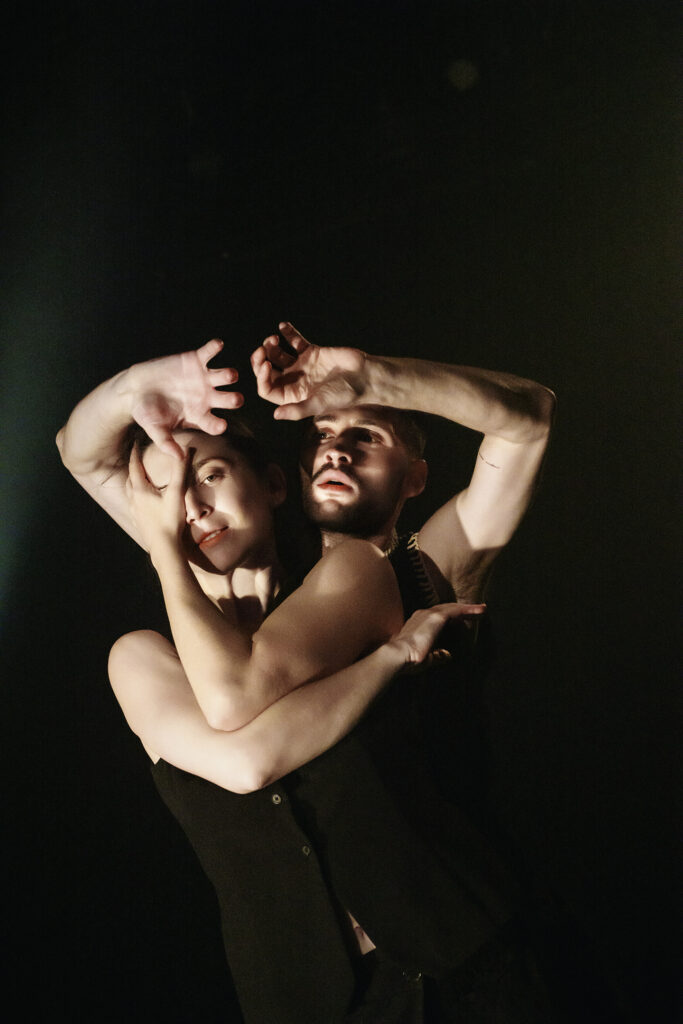
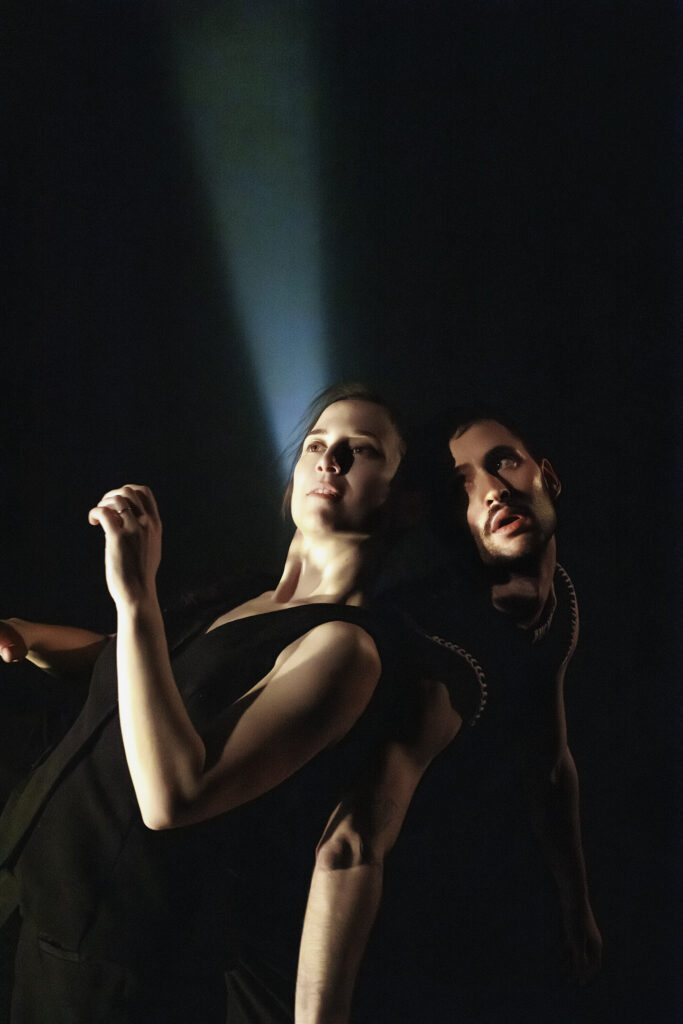
Magic Made
FOR TWENTY-FIVE YEARS Triskelion Arts (lovingly known as Trisk) has been a longtime incubator for productions of all sizes. Recently ArtDesk’s Dance Editor Larry Keigwin and Trisk’s Executive Director Rachel Mckinstry discussed the process of shepherding artists and their work from an idea to the first curtain call.
BY Larry Keigwin | PHOTOGRAPHY BY Erin Baiano
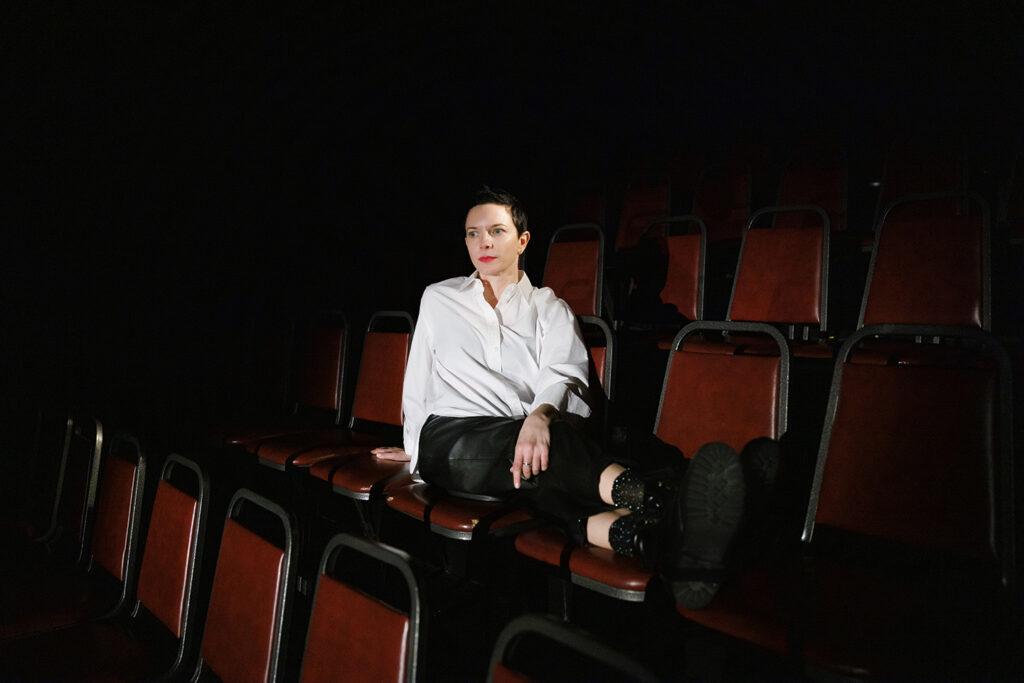
LARRY KEIGWIN: How long have you been the executive director of Triskelion Arts?
RACHEL MCKINSTRY: I took over in May 2019.
LK: And now you get to usher in the twenty-fifth anniversary. Why did [founder Abby Bender] establish Triskelion Arts, and how has the mission or vision evolved?
RM: It started as a single studio and a place for artists to be able to perform and rehearse very, you know, on a budget and more of a collective cooperative. And then they got a second rehearsal space. This was all on North 11th between Berry and Wythe in Williamsburg, [Brooklyn], and then as the neighborhood changed, they had to move to our current home, which kept the mission the same in terms of being a space for artists to make it happen, be in process. We like to say “studio to stage.”
Trisk has always been a place to do the entire artistic process, from being in the studio creating to being in technical rehearsal to producing and performing your own shows. That has remained at the foundation. How we’ve evolved is just how much we can support them. We’re not a commission‑based organization. We support the artists with our time and energy and our other resources that we have.
LK: I love this idea of “studio to stage” but also with the impetus on artistic services and providing infrastructure for artists to thrive.
RM: We also have Stage Dive, which is an open-mic-style, non‑curated free event for artists to come and just try out an idea in front of an audience with one or two lighting cues, and that gets recorded, and then they can use that for marketing or for an application.
LK: How do people find out about you, or how do you find out about other people?
RM: I do a lot of scouting, just making sure I am in the scene. And then there are several different ways that we go about ensuring that we have a lot of voices represented and the selection process doesn’t just come from me. We have a variation of invited, nomination, selection panels, and open applications that are in partnership with the selection panel, and then we also are very focused on continuing relationships with artists that we’ve started working with already so they can have more opportunity to grow. We also support guest curators.
LK: When you’re curating a season, can you describe what it is you’re looking for or what your eye is attracted to?
RM: I am looking for and partnering with folks that have an authentic voice and have a very personal story to tell.
LK: I imagine ambition plays a huge part. You’re this landing and launching pad for people who come to you with an ambition to be an artist and to make a living being an artist.
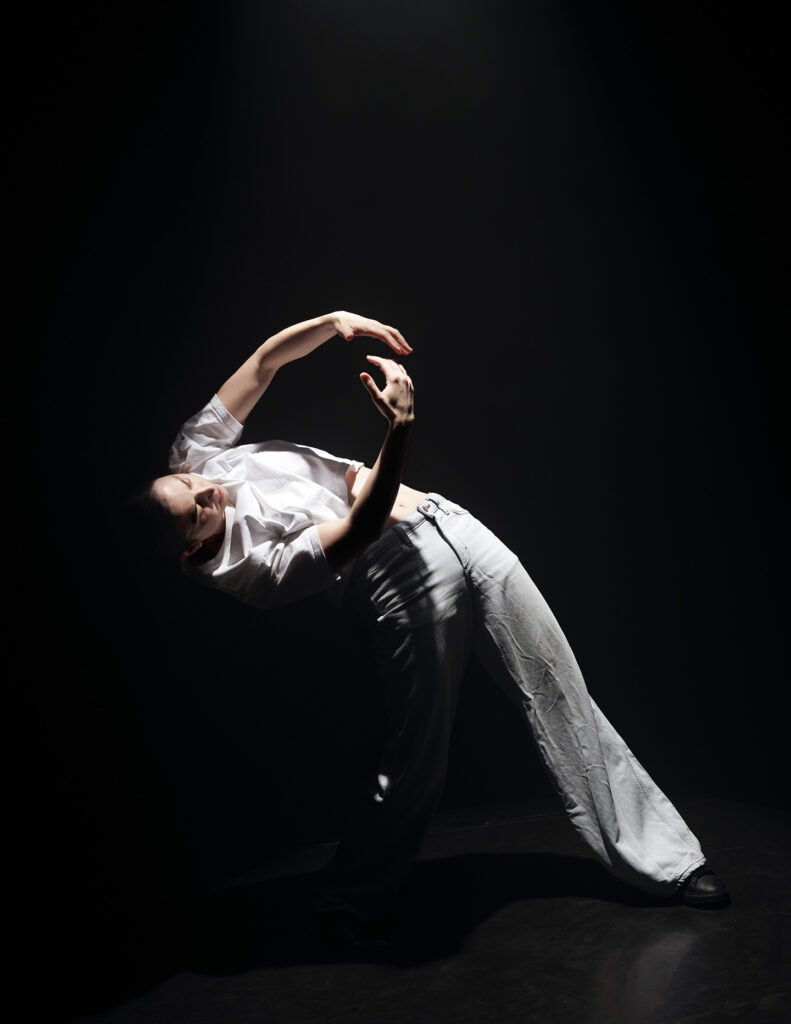
RM: Yeah, and moreover, I think the artists of New York City and the artists that we have the privilege of working with and partnering with, they just—they must do it. It is so a part of who they are.
LK: Right. It’s not a task or an assignment in their life. It’s a way of living, and it’s a passion that drives that and innately makes them creative. What do you think are the larger issues in the landscape of being a dance maker in this country?
RM: It’s financial. Everything is too expensive. And it’s hard for artists to be able to make it. How do we figure out ways for artists to not go broke producing their show?
LK: So Trisk can make it possible for artists to have a sustainable life and don’t need to juggle a thousand jobs.
RM: Yes.
LK: You’ve been in the ecosystem as a creator, an administrator, board member. That’s a very interesting perspective, and I imagine, a gift for you to help the artist.
RM: My relationship with Trisk is since 2005. I did my very first show at the old Triskelion Arts on North 11th, and I sat on the board, and now I’m in this position. So I have a long history with the organization, and it obviously holds a very special place in my heart.
LK: I just think what you’re doing is so incredible, and it’s so needed in the neighborhood where Triskelion Arts is. I almost wish that every neighborhood across the country could have a little Triskelion Arts that is shepherding artists, and it’s not only emerging artists that you foster but artists who are always entering into the process no matter where they are in their creative life.
RM: I think that’s so important to not be pigeonholed by age or by how many shows you’ve done or haven’t done. We’re not supporting the product—we’re supporting the artist and the process. Art is so important, and particularly dance. It’s so human. Everybody moves, so everybody understands movement.
Photography by Erin Baiano.