The Calling
In conversation with Wayne Pacelle, the world’s leader in the global movement to protect animals.
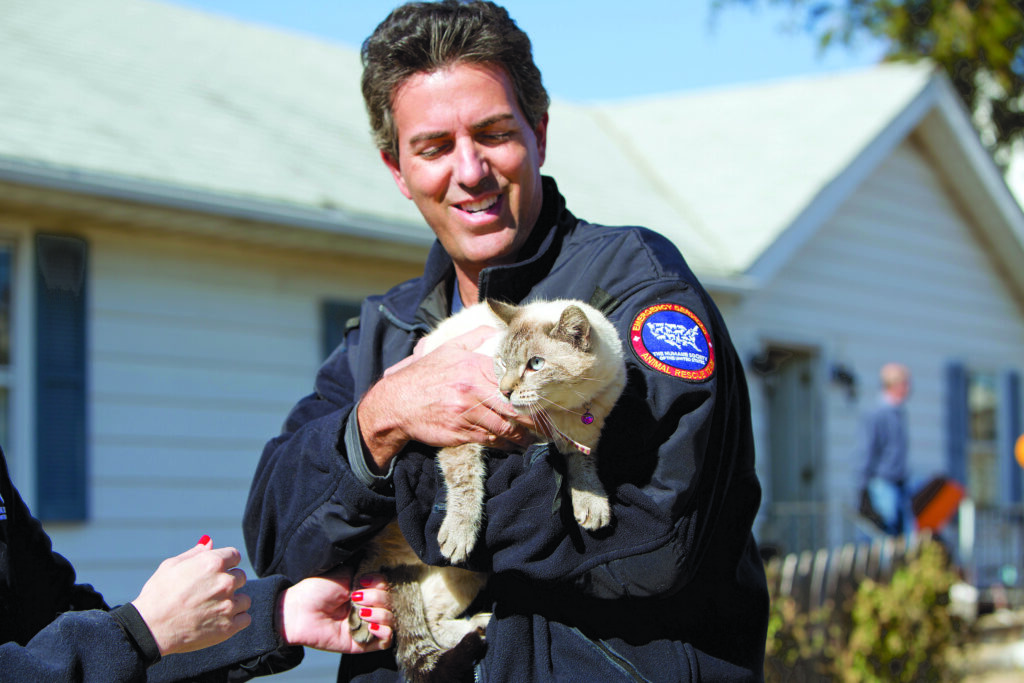
For more than twenty years, Wayne Pacelle has served as spokesman, lobbyist, and now president and CEO of the most effective animal-protection organization on the planet, the Humane Society of the United States. Pacelle speaks with ArtDesk editor in chief Louisa McCune about the intersection of art and animals in our culture today.
How did you very first get into animal protection?
I had an incredible kinship as a child with the dogs in our home—Pericles, Brandy, and Randy. All of our encyclopedias were dog-eared to the animal entries—from buffalo to wolves to aardvarks. I watched nature
programming, and consumed as many National Geographic books and magazines as I could.
I knew animals were different, but different in good ways. Nobody needed to tell me that they have lives that matter to them as much as our lives matter to us. Only as an adult did I theorize broadly about the fundamentals of our human relationship to animals, and in my first book, The Bond: Our Kinship with Animals, Our Call to Defend Them, I make the case that we are born with inclinations that draw us to other creatures.
BEST-SELLING BITES
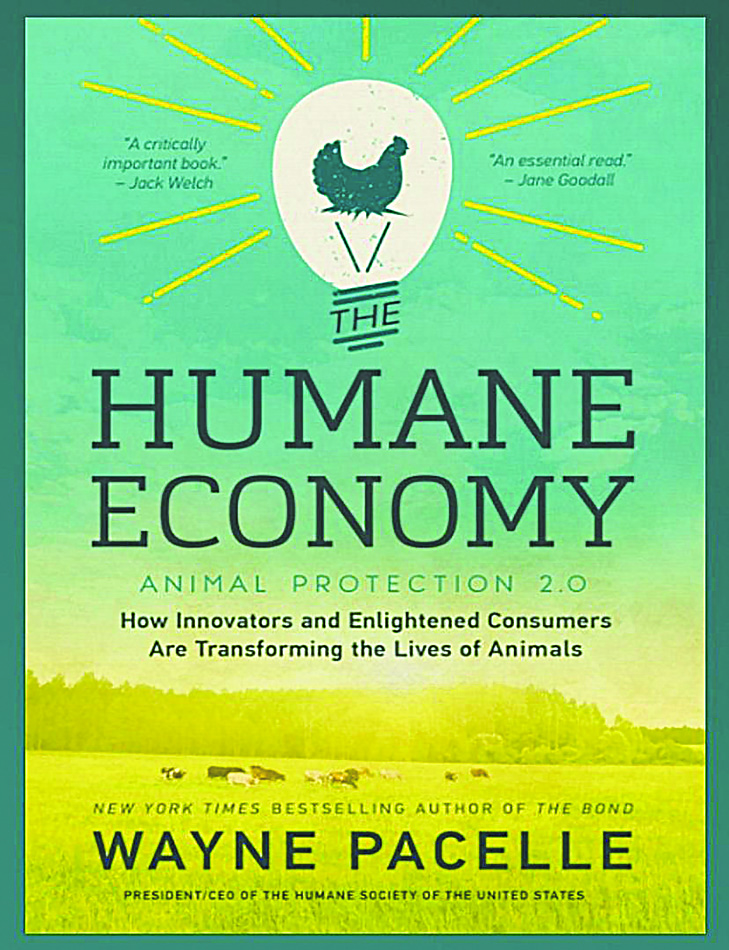
Called “a critically important read” by Jack Welch, The Humane Economy paperback edition was released on March 21, 2017.
What animal or animal-protection story has had a significant impact on you?
For me, the first narrative about animal rescue occurs in the Bible. After recognizing the sins of humans, God decides to flood the earth and calls on Noah to save two of every kind of animal—in effect, saving all of creation.
Some years ago, the Humane Society of the United States created a Genesis Awards program, named for the first book of the Bible in which the story occurs. As an advocate of both rescue and creation care, this is so significant for me because it’s the most widely and closely read book in the world, and it starts with an animal-rescue story. Judeo-Christian teachings, starting with Noah and the flood, call on each one of us to be stewards of animals and the planet. God declared the animals “good” and made covenants with animals.
If you are Jewish or Christian there’s no escaping our duties to animals. In fact, all of the world’s great religions—from Buddhism to Hinduism to Islam—have teachings that call us to be compassionate to animals.
What are you reading?
There is so much publishing on the subject of animals. It’s remarkable, and I try to keep up with a good bit of it. I have been reading books about animal intelligence lately, including The Genius of Birds by Jennifer Ackerman and Beyond Words by Carl Safina. I’ve always had a keen interest in history, philosophy, and politics. I am working through a book on David Hume, and I’m making it through The Slave’s Cause:
A History of Abolition, which is about chattel slavery in the United States.
I’m most excited, however, about digging into two classic works from Norbert Elias—The History of Manners and Power & Civility. These two game changing volumes make up the sociologist’s work The Civilizing Process, which explains who we are today in terms of social norms and civil society.
What is your favorite animal movie?
There’s no question that Walt Disney’s Bambi (1942)—a triumph in terms of art and animation—had a potent impact on American thinking about animals, especially for children and women, taking animals from the realm of “things” and reminding us of their emotions, struggles, and family lives. It vividly conveys the idea that animals feel both fear and loss and possess emotions like our own. The connection between a mother and her offspring is something that every human mother and child can relate to.
In terms of more recent productions, Babe (1995) was a surprising and uplifting film, reminding us that all animals matter. It’s a counterweight to our culture’s long-standing denigration of pigs. It’s an eye-opener about the qualities of pigs, and a thinking person cannot help but look at our own connection to bacon and other pork products and wonder about how the animals are treated. The scale of our mistreatment of pigs on factory farms is almost unimaginable—with slaughterhouse workers killing more than 100 million pigs in 2015, and so many of them enduring privation in gestation crates and other extreme confinement systems. James Cromwell, as the laconic and humble Farmer Hoggett, is an unforgettable performer and a bearer of simple but powerful values in the film.
What principles of transformational change have you relied upon most?
In order to drive social reform, you must work through multiple channels—public policy, the courts, corporate reforms, and creative works to influence culture, grassroots organizing, and more. That’s the
biggest lesson I’ve learned about how change occurs.
You cannot count on a single path, and the most successful reform efforts move through different pathways, often concomitantly. These different tactics and strategies are mutually reinforcing; when we secure a major corporate gain, for example, that opens up possibilities in the realm of lawmaking.
Finally, we must be inclusive in our work. At times, the biggest offenders can become the most important advocates for animals. When it comes to animals, we are all sinners. I want to invite people who were on the wrong side of history to join our cause. Their first hand understanding of human-caused cruelty is often the most poignant and irrefutable, and it makes them authentic and valuable allies.
You are the world’s most recognized protector of animals. You are also busy and a prolific writer. How do you manage the details of your life?
Every day is something of a sprint. There are not enough hours in the day. A lot of people, seeing that I work
so much, remark that I love my job. I don’t love it in any conventional sense. It’s hard, it’s painful, and it’s unrelenting. I describe my commitment as a form of duty. I feel I am doing some thing for the good of the world, and it’s a calling. Animals are in crisis, and we cannot be bystanders in the face of what’s occurring.
Communication undergirds everything that we do at the HSUS and our affiliates here and abroad. In
addition to my books and magazine and journal pieces, I’ve written a blog each weekday for the last ten years, and it’s a discipline that is important in calling out problems, framing our work, answering our critics, and building a sense of community.
I joined the HSUS to help it become the most powerful, high-impact organization in the field of animal
protection, driving transformational change across all sectors of our economy—food and agriculture, animal testing and research, wildlife management, fashion, and the use of animals in entertainment. We’ve got to put our work in context, and we’ve got to make our case in a logical, science-based way.
I try to make a small contribution byfrequently writing on these topics, especially in light of my vantage point as the leader of the nation’s most important animal-protection organization. No social movement can succeed without writers, artists, researchers, documentarians, and other creative thinkers.
ARTDESK: What is your favorite artwork?
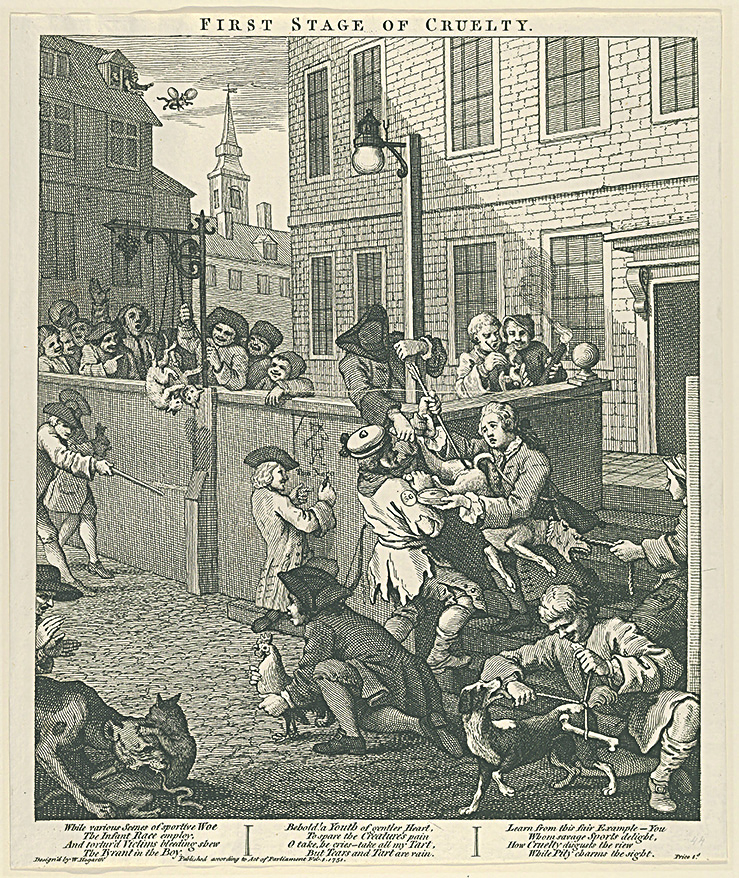
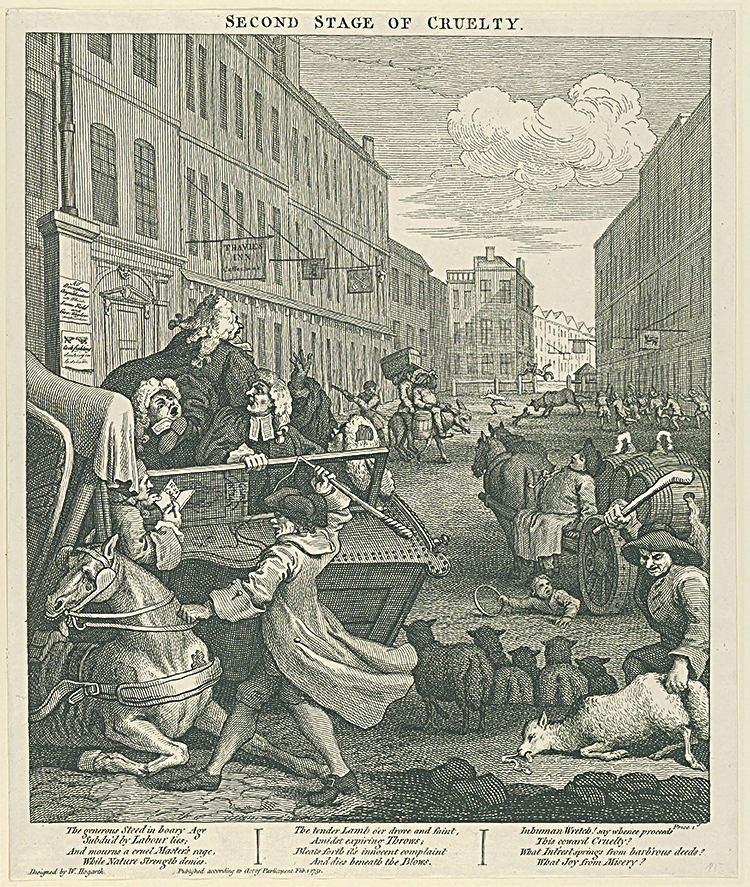
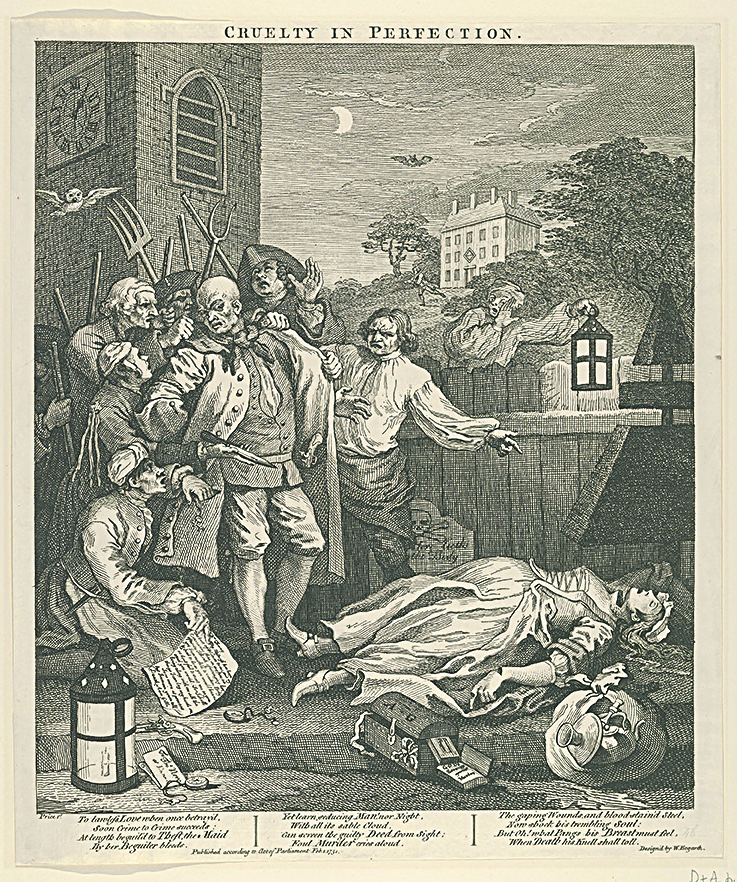
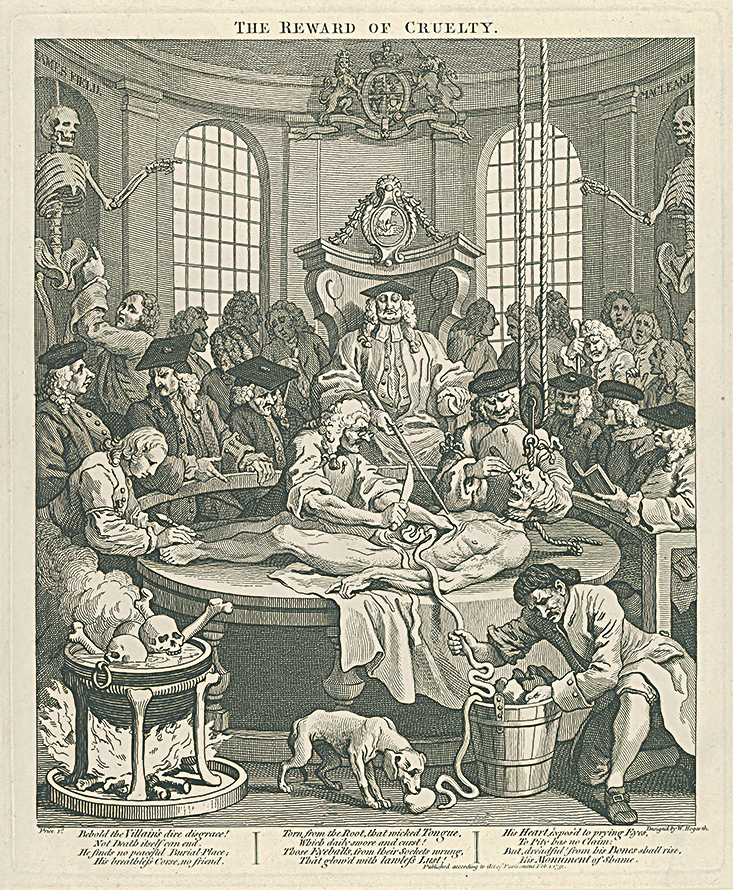
WAYNE PACELLE: William Hogarth’s The Four Stages of Cruelty (1751) is an unsettling, deeply perceptive, and still relevant exposure of violent instincts in the human psyche. Cruelty cannot be contained or isolated, and Hogarth’s study of the progression of human behavior, starting with normalized forms of cruelty to animals and then graduating to human-on-human violence, is as compelling today as it was then. In a broader sense, I’ve always been drawn to American landscape artists of the nineteenth-century American West, such as Thomas Cole and George Catlin. In that same vein, it’s hard to beat Ansel Adams for his artistic photography that captures the grandeur and breathtaking beauty of America’s mountains, forests, and rivers.