Staying the Course
Jan Taylor takes the reins as Oklahoma Contemporary Art Center prepares a move to Oklahoma City's Automobile Alley
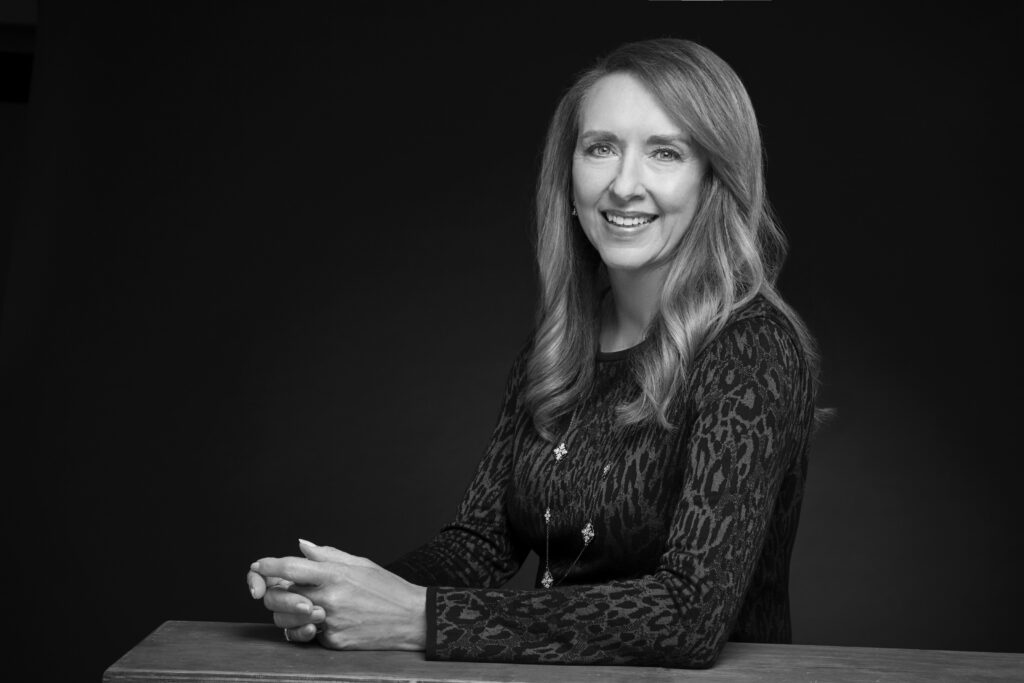
ABRAHAM LINCOLN IS credited with popularizing the proverb “Don’t change horses in midstream.” Too bad for Honest Abe that he never met Jan Taylor.
The new executive director for Oklahoma Contemporary Arts Center, Taylor spends her second day on the job in her new office, surrounded by file boxes. She reflects on how she came to be here, leading this Oklahoma City arts education nonprofit in the midst of its biggest project yet, a move from the original location at the Oklahoma State Fairgrounds to a brand-new building on a 4.6-acre parcel of land at Eleventh and Broadway in Oklahoma City.
“I am hitting this at the right moment,” Taylor says. “I feel like I’ve come home.”
A 2011 study found that Oklahoma Contemporary could better serve the city and state if it was located in downtown. The new campus is expected to serve 100,000 visitors by 2022 (a fivefold increase), with triple the youth and adult programming and an annual economic impact of $8.6 million. This progress coincides with Oklahoma City’s economic and cultural renaissance, Taylor says. “The arts will define a city, and I believe Oklahoma City is beginning a new chapter as a regional arts leader.”
Taylor comes highly recommended. “Jan is fully invested in Oklahoma Contemporary’s mission and brings a depth of knowledge, contacts, and resources to help us make the jump to our new location,” says Christian Keesee, who serves as board president. Outgoing executive director Donna Rinehart-Keever, who is retiring, says Taylor’s “experience, skills, and interests dovetail perfectly with our mission. She can ably handle all the top administrative responsibilities—
overseeing development, working with the board and public, and managing our ‘A team’ leaders. I confidently hand the reins to Jan, and I can’t wait to see where she takes Oklahoma Contemporary.”
In Oklahoma City, the National Cowboy and Western Heritage Museum specializes in Western art, and the Oklahoma City Museum of Art specializes in the classics. Oklahoma Contemporary—founded as City Arts Center in 1989 by Keesee and then Kirkpatrick Foundation director Marilyn Myers—will bring people together around its core of contemporary art and arts education for every stage of life.
Taylor says that every step of her career path seems to have singularly prepared her for the job. She grew up in Oklahoma, spending time at her grandparents’ ranch. “I had a Dale Evans lunch box,” she says, laughing. As a schoolgirl, she studied ballet and took classes with Yvonne Chouteau and Miguel Terekhov, who founded the Oklahoma City Ballet.
Taylor began her career as a public schoolteacher before working as a retail marketing manager for Chanel and Estée Lauder, learning business skills that would later prove vital. In 1999, Taylor and her husband, Scott Taylor, founded Red River Industries, a medical equipment and supply start-up. She served as vice president of marketing until 2006, when her son took over her role in the business.
The move “kind of set me free,” she says, which allowed her to pursue an opportunity at World Neighbors, an Oklahoma City nonprofit that fights hunger, poverty, and disease by helping communities become self-reliant rather than dependent on external aid. Managing a $3 million budget, Taylor cultivated new donors and strengthened existing donor relationships throughout the region.
The arts will define a city, and I believe Oklahoma City is beginning a new chapter as a regional arts leader.
In 2011, Taylor’s love of horses (she has two, Roadi and Lefty) and Western culture led her to a position at the National Cowboy and Western Heritage Museum, where she became director of philanthropy. She oversaw long range planning, grant writing, and corporate support, and worked closely with high-profile corporations and individual patrons. She also helped develop STEM (science, technology, engineering, and math) and STEAM (STEM plus arts) programming for disadvantaged and at-risk youth.
Taylor’s background in development will help as she seeks to expand Oklahoma Contemporary’s brand. She plans to focus on the internal culture of the arts center and increase corporate support and planned giving. She says that trends in corporate giving have changed: No longer are corporations willing to simply cut a check; they want to know how they are affecting the community.
As a nonprofit, she says, “if you’re not making a difference for young people, you’re going to be in trouble.” Oklahoma Contemporary’s role as a youth arts educator is magnified in light of the state’s public education funding crisis, which is causing some school districts to eliminate art programs. Before accepting this position, she was a consumer, taking adult art classes at the fairgrounds. Now she leads Oklahoma Contemporary into the future.
“As your career unfolds, some of it is by choice and some of it is by chance,” she says. “I’ve come to understand when you choose things for yourself, those are the ones that really impact you. This is absolutely by choice. I think this was meant to be.”
Leading by Example
THREE TRENDSETTERS, AND NEWLY NAMED DIRECTORS, MAINTAINING THE ARTS IN OUR REGION
By KELLY ROGERS
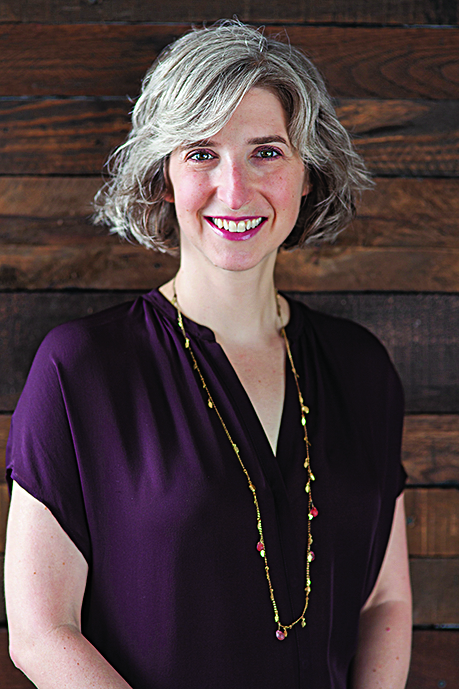
Lauren Ross
LAUMEIER SCULPTURE PARK
Lauren Ross takes on the 105-acre sculpture park in Saint Louis, Missouri, as executive director. Ross brings education and curatorial expertise (a staff alum from Tulsa’s Philbrook Museum of Art) to a park known for its cutting-edge fusion of nature and contemporary art.
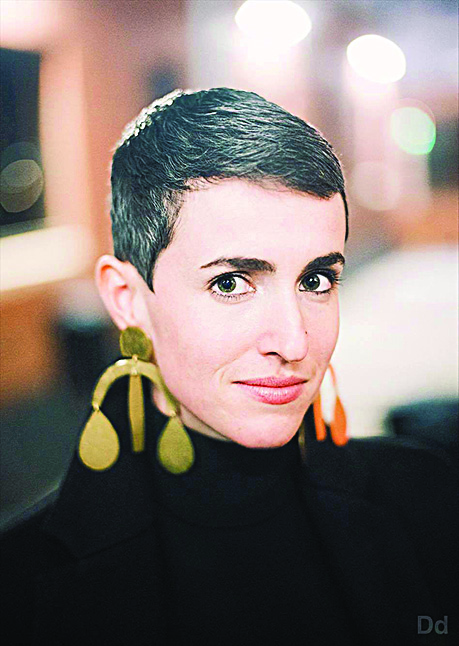
Justine Ludwig
CREATIVE TIME
Justine Ludwig is a curatorial transplant from Dallas Contemporary, now working with this New York nonprofit as its executive director to support public art projects in notable—but accessible—landmark city sites.
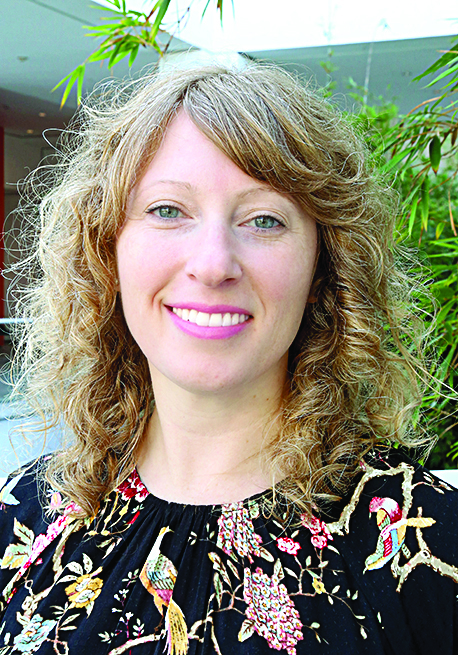
MacKenzie Stevens
THE VISUAL ARTS CENTER
MacKenzie Stevens joins this non-collecting gallery at the University of Texas at Austin as its new director. After her tenure at the Hammer Museum—also a university gallery, affiliated with UCLA—Stevens is pushing VAC’s programming forward at full speed.