Run With It
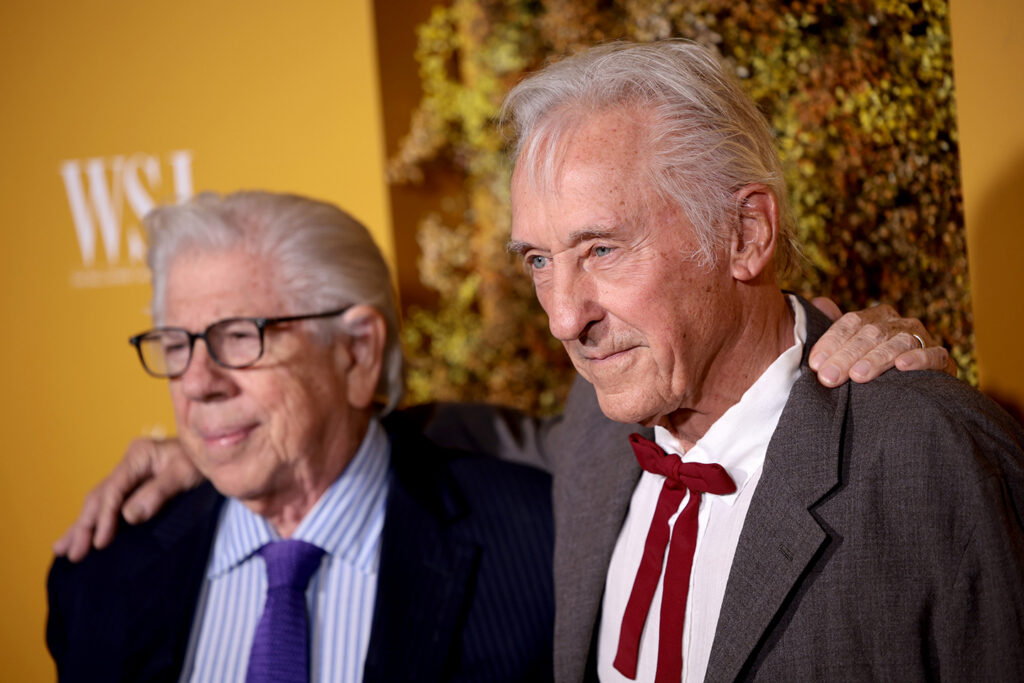
Carl Bernstein and Ed Ruscha in conversation at the 2023 WSJ. Innovator Awards, on notes, reporting, and the best obtainable version of the truth.
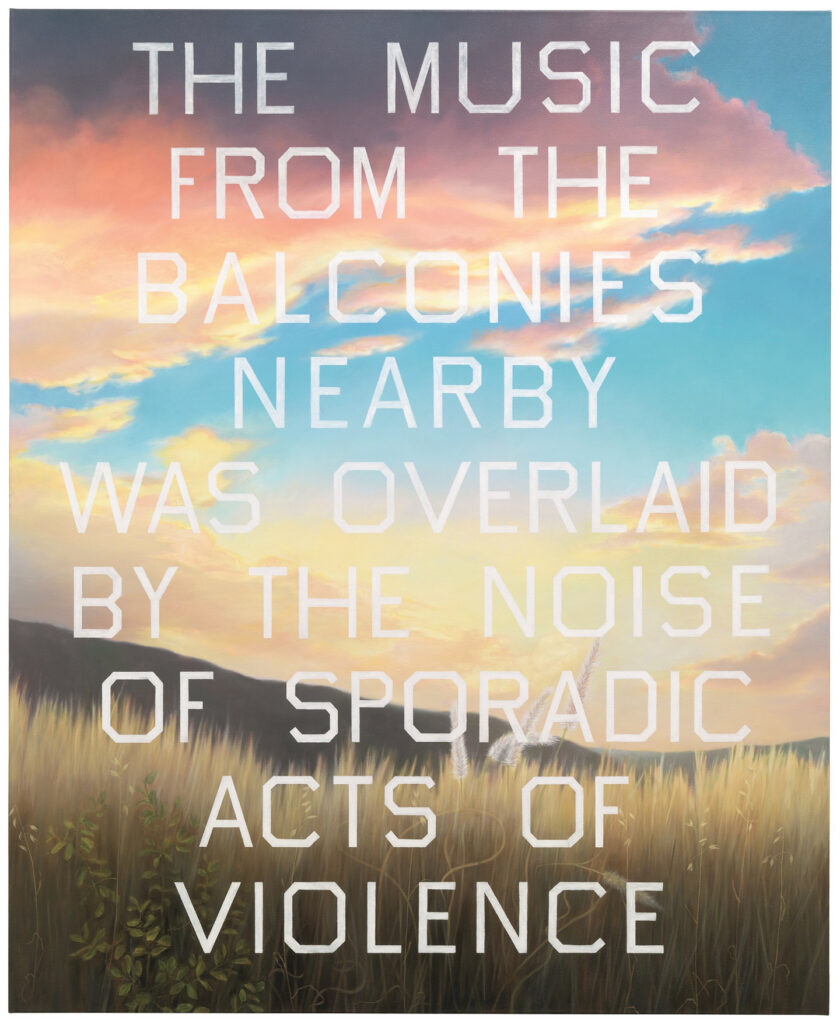
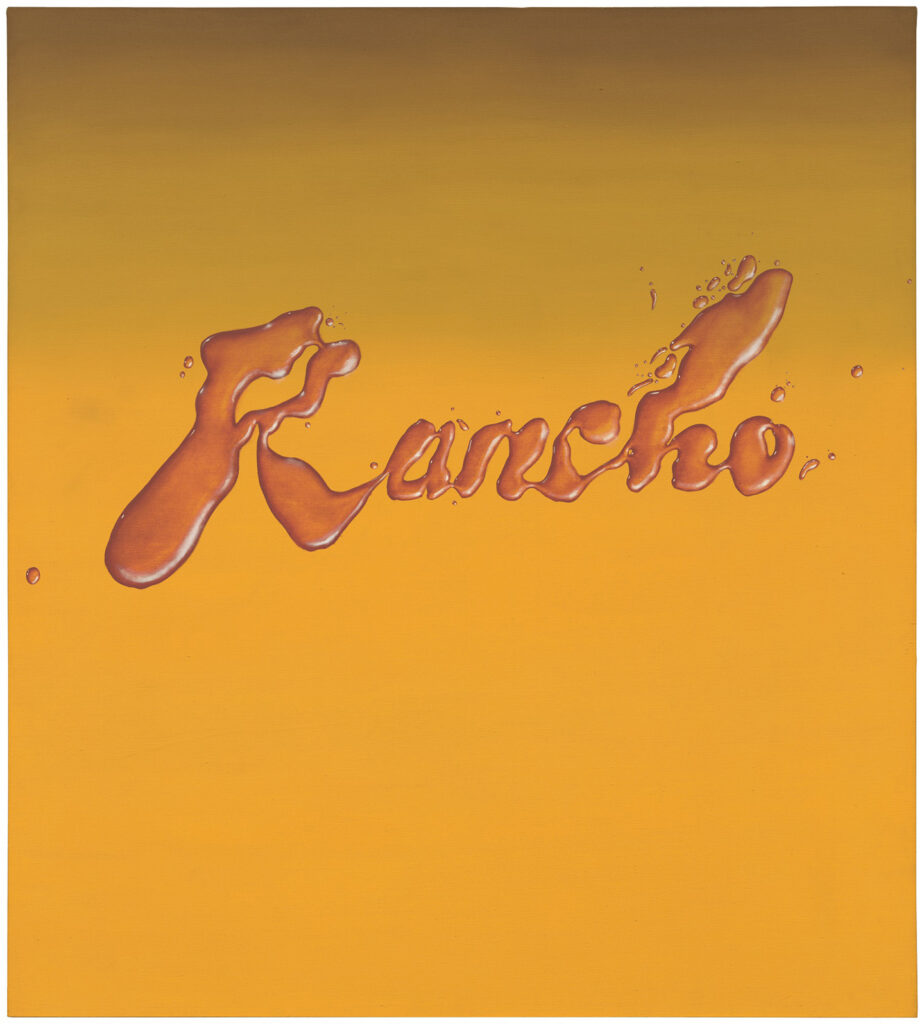
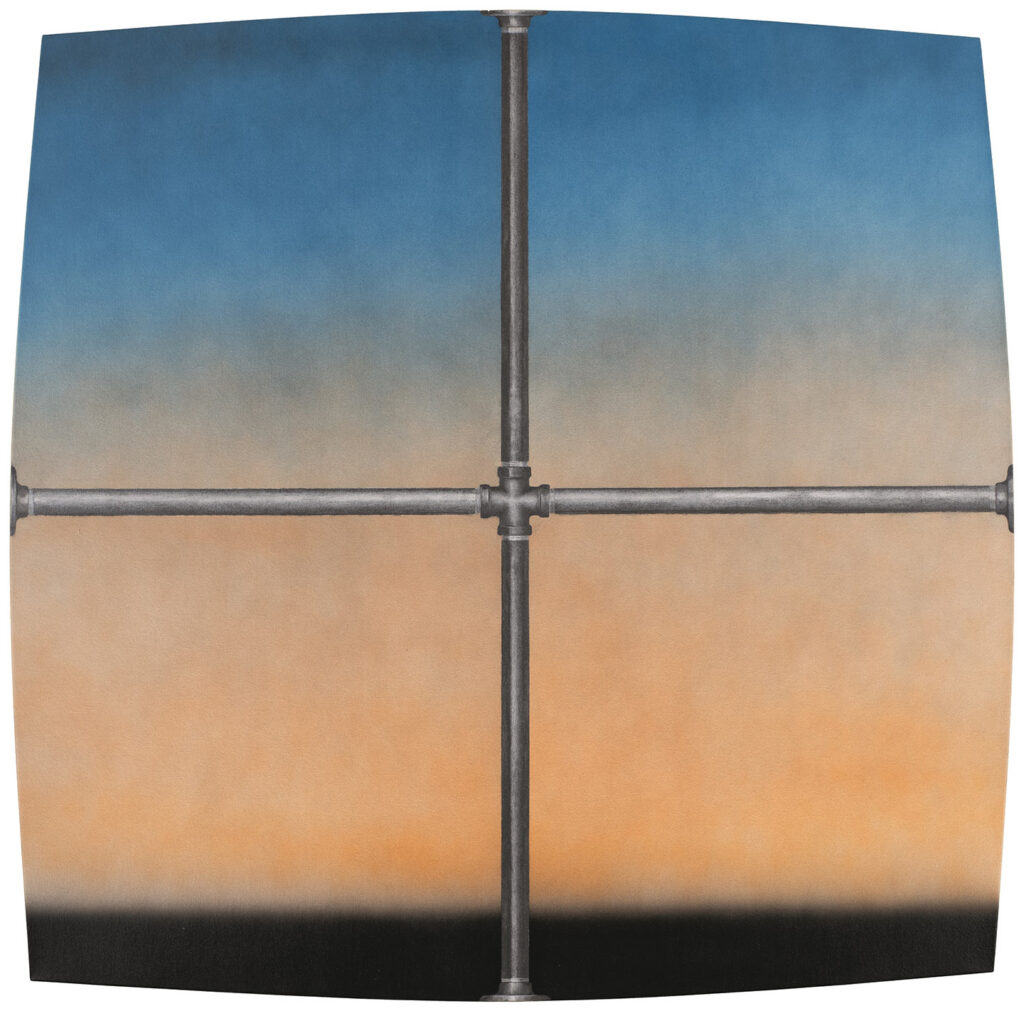
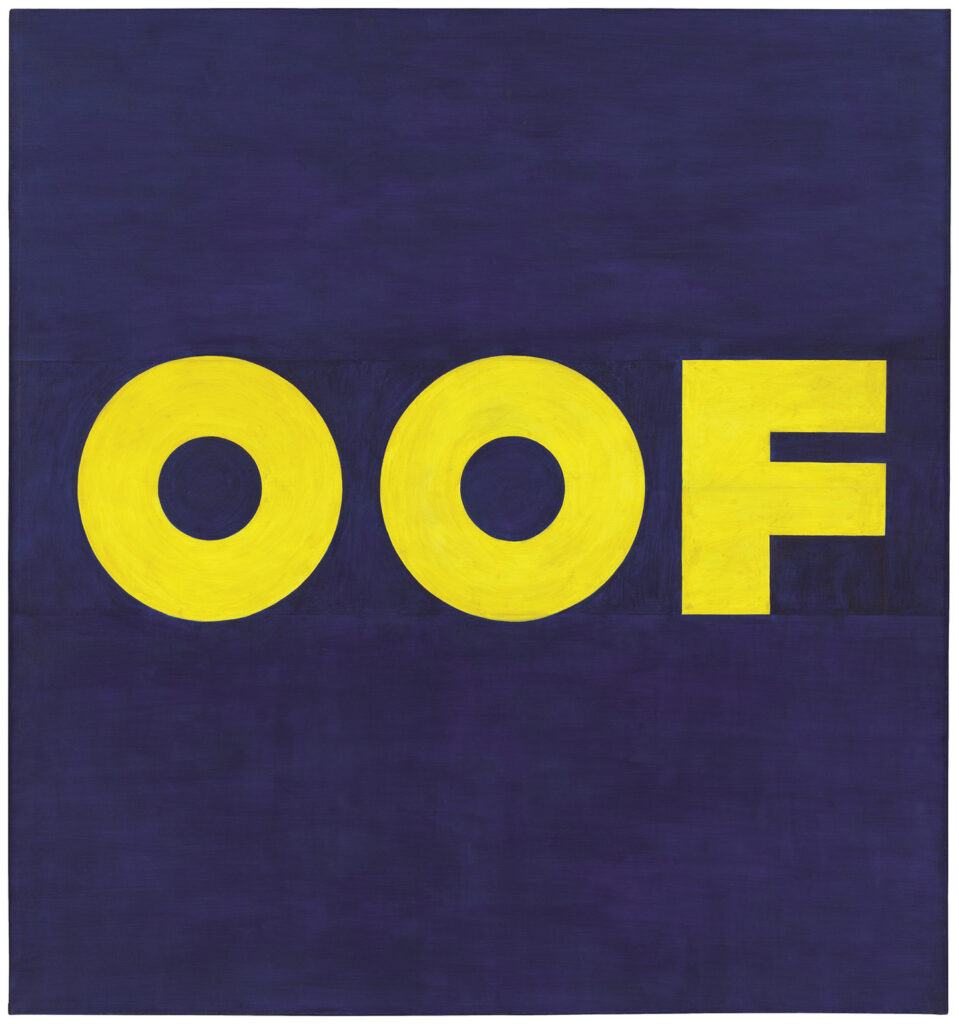
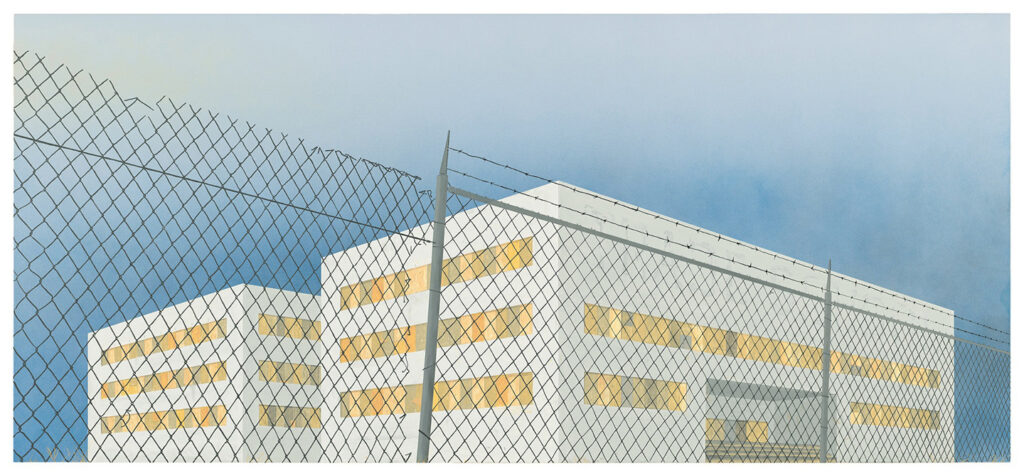
CARL BERNSTEIN: Thank you. Let me begin by saying how honored I am to be in this company, those here, the honorees, but especially to have been asked to talk for a moment about my friend, Ed Ruscha. He is, as indicated here, a singular artist who has been a part of our millennial presence the second part of the twentieth century, the first quarter almost now of the twenty-first, and he represents a body of work—I’m certainly not an art critic—but a body of work about ourselves, our aspirations, our dreams, what kind of country we are, how we view each other. I was privileged enough about a year ago to go to Ed’s studio in Los Angeles and watch his art through his remarkable seventy-some-year career in models, in notebooks, especially the germs of these ideas that punctuate our time as perhaps no other artist does.
I first got to know Ed at the turn of the millennium. We were together on a boat, about forty people on a big boat through the observation of the turn from the twentieth century to the twenty-first. We sat next to each other and we started to talk. I asked him about the creative process, and I’m fascinated also with the other honorees and their creative process, but what Ed said to me—and then I saw in his studio that was so remarkable—was how notes, note taking is such as integral part of what he does in the process of percolation, very often. His wonderful associate for thirty years, Mary Dean, told me about some of how he uses notes, and I’ve been talking to Ed about notes. Since Ed came to me, I’ve always had this notion about Ed and his work. Really, Ed is as great a reporter as we have seen in our time.
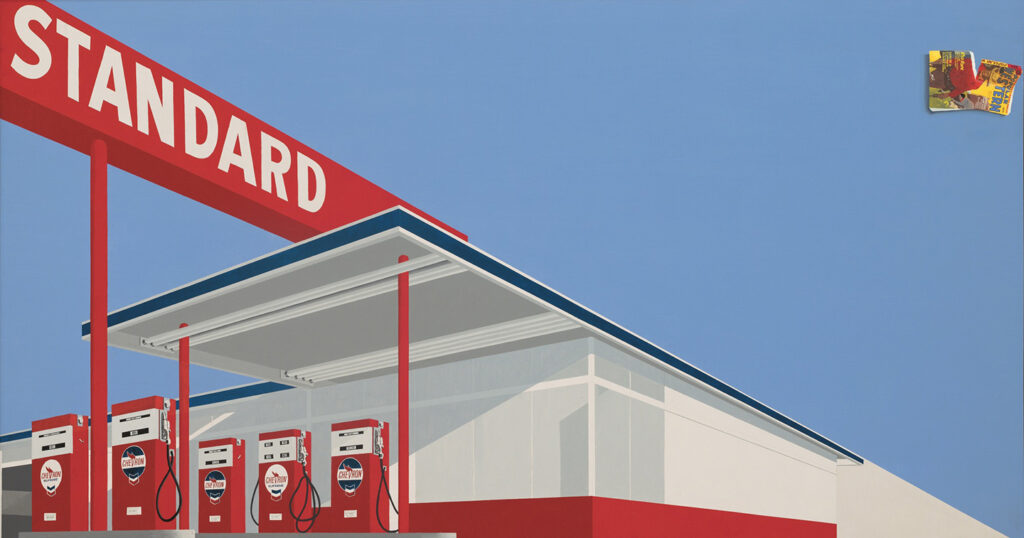
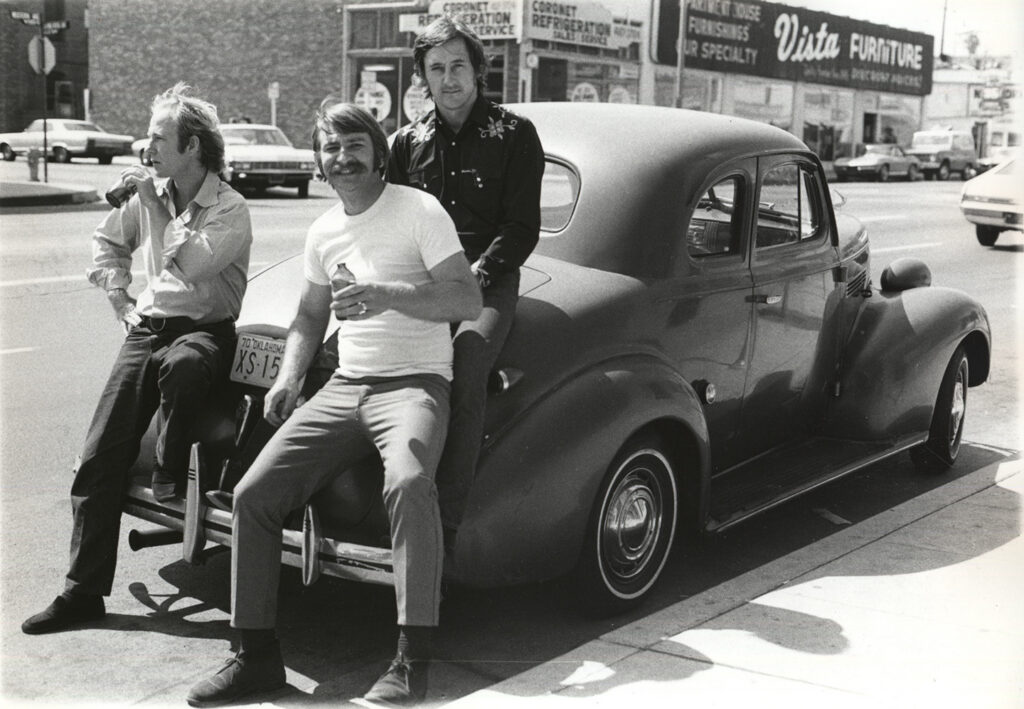
Look at what you saw there, those images. This is a reportorial exercise, and the theme of tonight beginning with the opening remarks from Almar Latour, the CEO of Dow Jones and publisher of the [Wall Street] Journal, we keep hearing about truth and fact—and Ed and I have talked about this. A half a century ago, Bob Woodward and myself came up with this notion about what reporting is really about, [that] it’s the best obtainable version of the truth. It is a long and difficult process, and there are others in this room who are engaged in it, not just in journalism, but one of our honorees, a couple of our honorees, what we just heard really have come to terms with the notion of truth in their service to us. And in Ed’s case, it begins with notes. And through these notes they become these ideas that we now have as part of our culture. They all seem to conjugate in terms of truth, tough truths, really looking at the Standard Oil station and its cotillion origins when young Ed goes between Oklahoma and LA. Then we see no longer the book origin, but rather the flames of 1968 in that gas station.
So I just want to salute a great, great reporter. He has reported in a unique fashion in our era, in two centuries, and left us with a body of work unlike any other, and so I’m so honored to be here to introduce my friend, Ed Ruscha.
ED RUSCHA: Thank you, Carl. Carl, yeah. Carl who undoubtedly heard—has heard and endured every Deep Throat joke known to man and then some. So thank you for your life on this planet, Carl. So the classic statement is to want to be either on the inside looking out or the outside looking in. How about the concept of being on the outside looking out? The English language is ever so innovative so why not create a new word, the concept of being an outovator. That’s something we can work on, and from my perspective, if any thoughts could be given to visual artists, I’d say have a notion, run with it. That could be a bumper sticker, I guess. Hang on to the picture frame and never let it get lonely. Kiss it and make it talk to you. Also something that we could work towards. And I’m reminded after all that art is the world’s second oldest profession, but it’s just as honorable as the first. Oh, that’s too much.