Prize of the Hawkeye
In the capital city of Iowa sits a treasure trove of artistic gems at the Des Moines Art Center.
While Iowa might not be the first place you think of for top-notch modern and contemporary art, the Des Moines Art Center, which opened in 1948, has a strong history of exciting exhibitions, collection
additions, and daring, outside-the-box ideas.
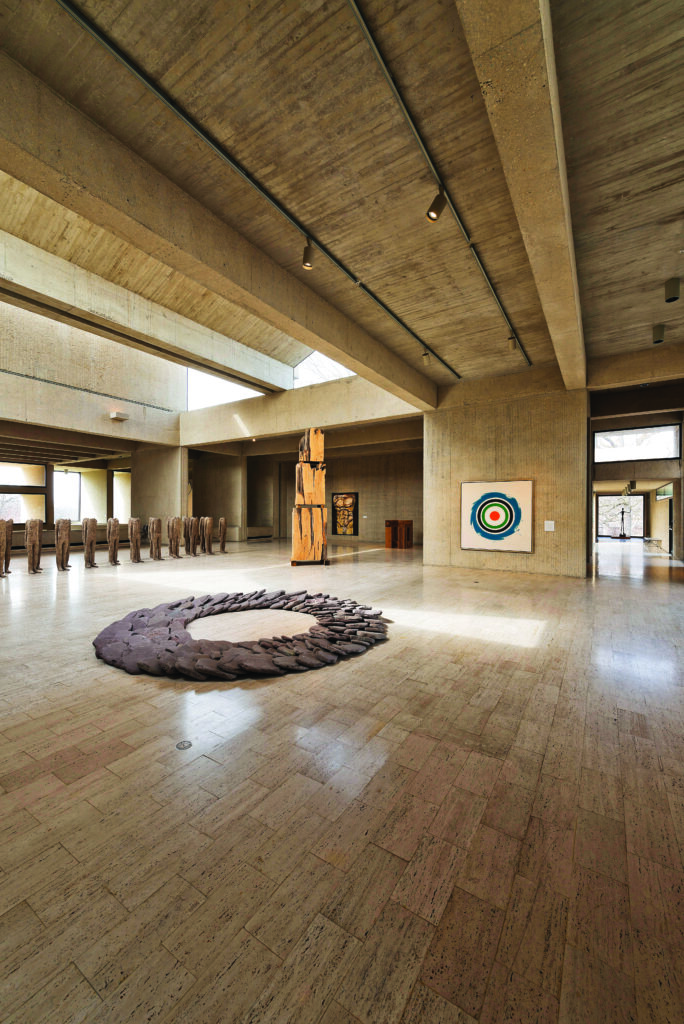
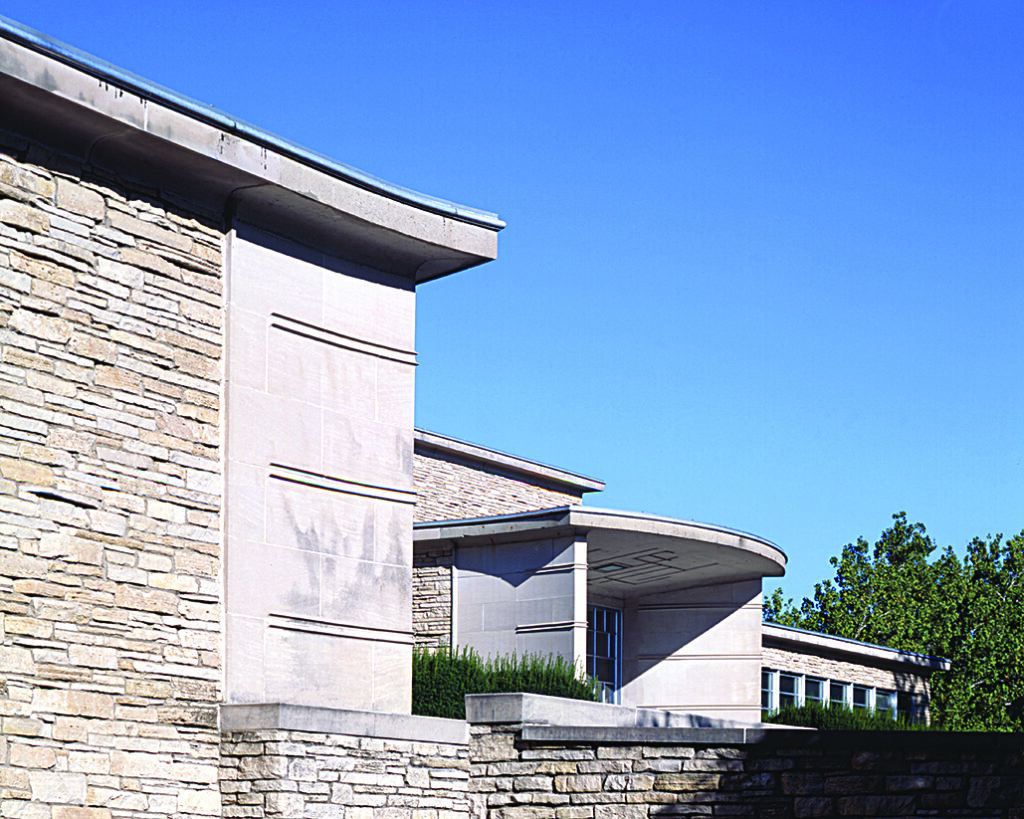
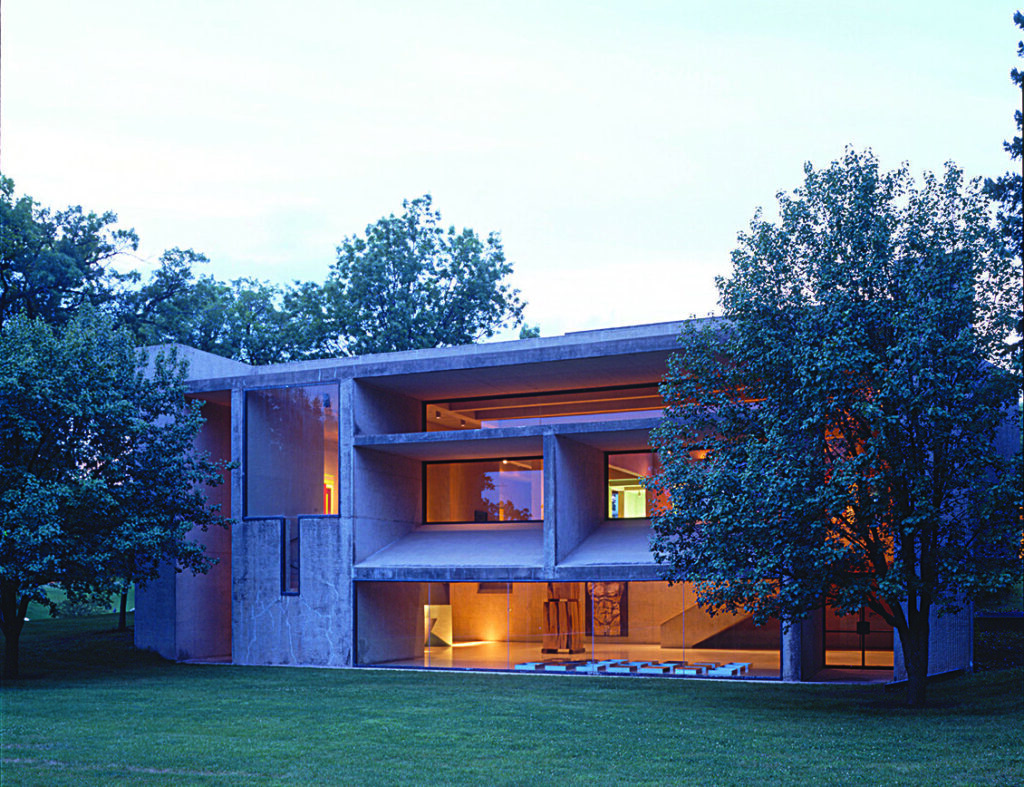
The art center fascinates even before you enter, thanks to an unconventional yet thoughtful blend of architectural styles, including the original art deco building designed by Eliel Saarinen, a modernist
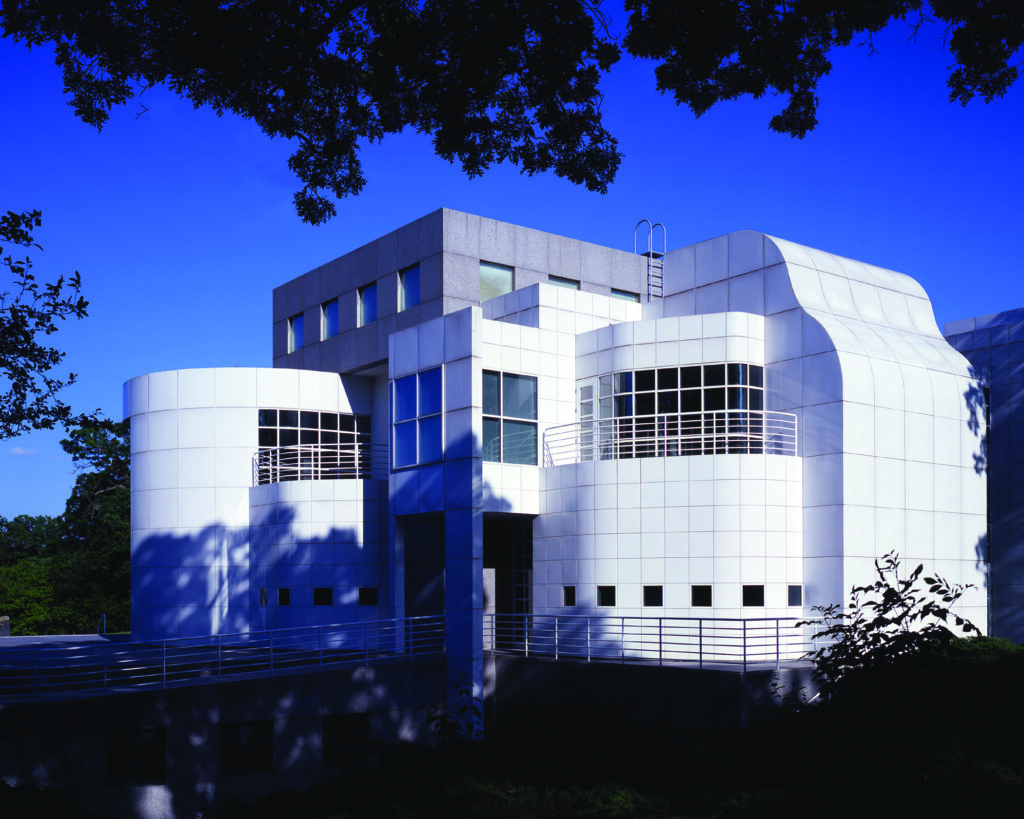
wing designed by I. M. Pei in 1966 for large scale sculpture, and a third wing designed by Richard Meier opened to the public in 1985. The adventurous composition of the art center is a symbol of its driving principle: to always embrace the new while continuing to cherish the art of the past.
To find proof of that credo, look no further than the permanent collection, which boasts world-famous works by modern artists like Francis Bacon and Alberto Giacometti. “The collection is pretty spectacular,” says the museum’s senior curator, Alison Ferris. “But the center also has a very impressive exhibition history. They’ve done a lot of ‘firsts’ in terms of giving artists their first solo museum shows in the United States. John Currin’s first US [museum solo] show was here, as well as those by other notable artists.” And it’s impressive how many of those artists—a group that includes Ellen Gallagher, Anselm Reyle, and Tom Sachs—went on to become stars in the contemporary art world.
Jeff Fleming, the museum’s director since 2005, understands that striking a balance between
international relevance and serving the local community is one of the keys to a regional museum’s success. “Through its exhibitions and collections, the Des Moines Art Center attempts to add to the cultural record in a substantial manner, while engaging diverse audiences in our community,” he says. “Organizing, presenting, and traveling many artists’ first one-person museum exhibitions has been a way to do this.”
Although bringing solo shows of largely unknown up-and-comers to Des Moines may seem like a risky move, it’s one that has paid off over the years, giving the art center a reputation within the international art community as an excellent place to discover future greats.
But the group exhibitions at the Des Moines Art Center, such as the recent show Drawing in Space (curated by Ferris), are perhaps what engages the local residents most of all. Drawing in Space includes works by three individual artists (and one artist collective), who each explore the use of line and space through large-scale, site-specific installations. The connecting thread? All of the projects are made exclusively with tape. The works are interactive (you can walk on, under, or even inside them), but another interesting aspect is how museum visitors were allowed to view the artists as they made the works on-site.
“I was thinking that a good way to understand the [art center’s] various spaces would be to invite artists to create site-specific installations,” Ferris says. “They picked areas where they wanted to work and were here over the course of three weeks in September. The audience could watch them make their work, so it was a good creative energy over those three weeks. It was pretty crazy and fun.”
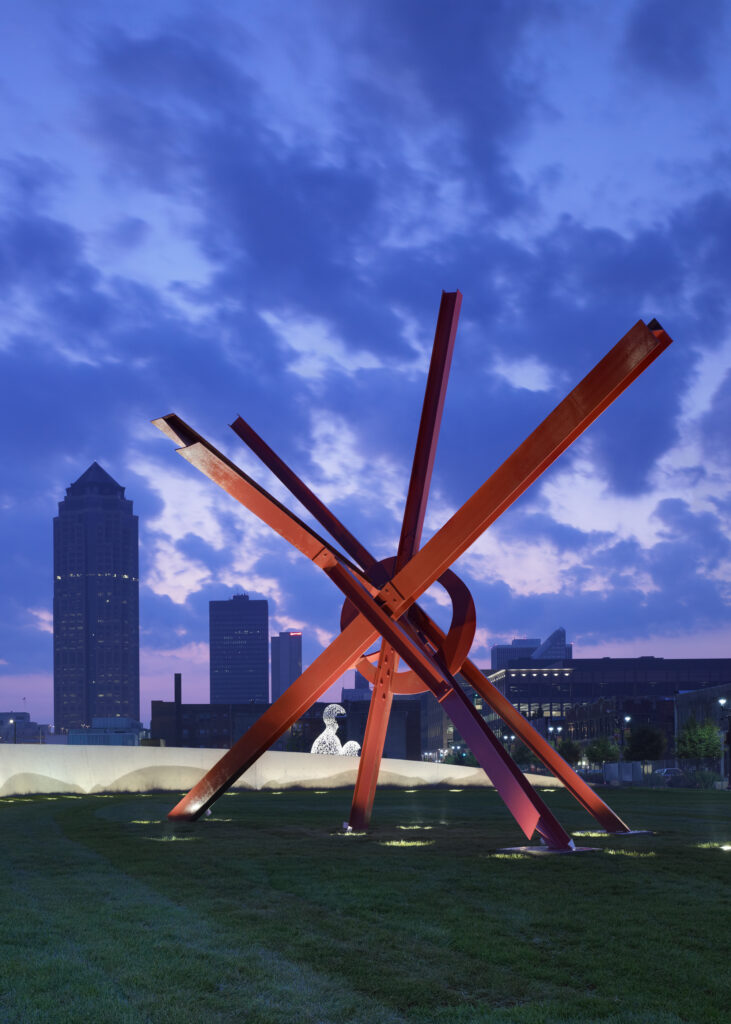
Engaging with the local community has always been a priority for the Des Moines Art Center, and the pinnacle of that engagement came in 2009 in the form of the John and Mary Pappajohn Sculpture Park: 4.4 acres brimming with twenty-eight larger-than-life outdoor sculptures in downtown Des Moines.
“The most important long-term good to come from the art center has to be its relationship with John and Mary Pappajohn and their extraordinary gift to the city,” says longtime Des Moines resident and Des Moines Art Center board of trustees vice president Pamela Bass-Bookey. “Seeing all of the different people walking through the sculpture park at all times has created new audiences for the art center and has been a source of dialogue between people who might not otherwise engage with one another… and that’s not to mention [the park’s] economic impact.”
It’s a fact that the sculpture park has worked as a catalyst to buoy the downtown economy, helping to woo everything from shops and restaurants to multimillion-dollar corporate headquarters. So if you have a hard time imagining how art could play an important role in a “normal” American city, Des Moines has proved that it’s not only possible but integral, for a thriving US metropolis.
“We have quite a good group of contemporary collectors here, and the center has had a lot of influence on people’s interest in art,” says Ferris with a hint of pride. “It’s just incredibly exciting that people are seeking out international contemporary art here in Des Moines.”
UP NEXT AT THE DES MOINES ART CENTER
Wanderlust: Actions, Traces, Journeys 1967–2017, a fifty-year survey exhibition of the artistic practice of contemporary artists, is on view from February 17 through May 13 in the Anna K. Meredith Gallery.
The Des Moines Art Center is open Tuesday through Sunday at 4700 Grand Avenue. The Pappajohn Sculpture Park, at 1330 Grand Avenue, is open daily from sunrise to midnight. desmoinesartcenter.org