Orchestra: From Pit to Prison
A NEW YORK CITY CHAMBER ENSEMBLE CREATES A PATH TO REDEMPTION THROUGH MUSIC EDUCATION.
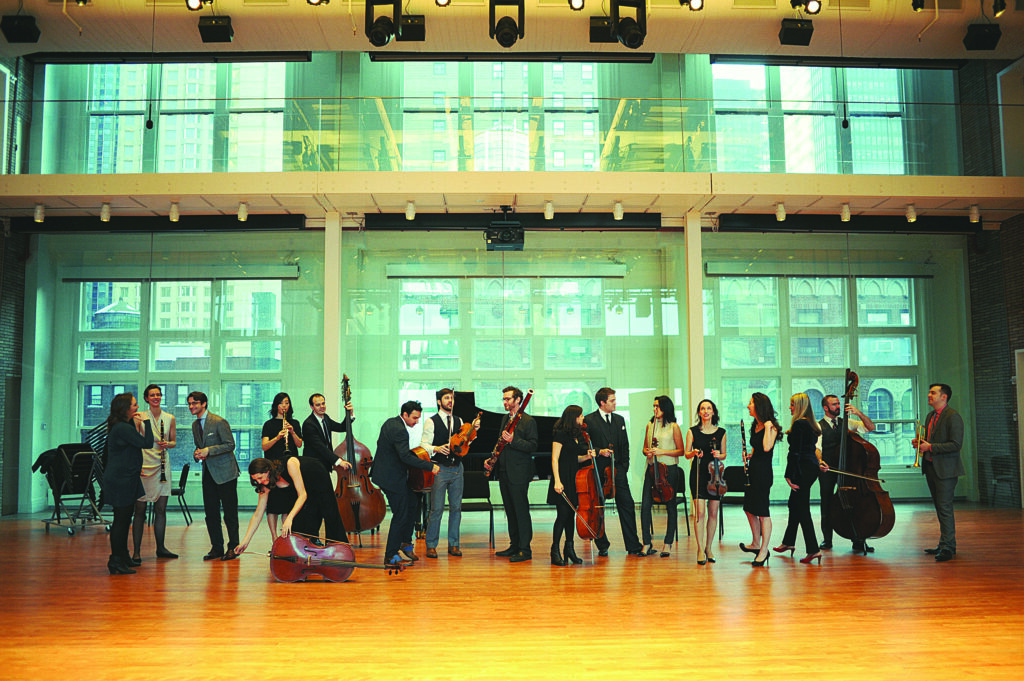
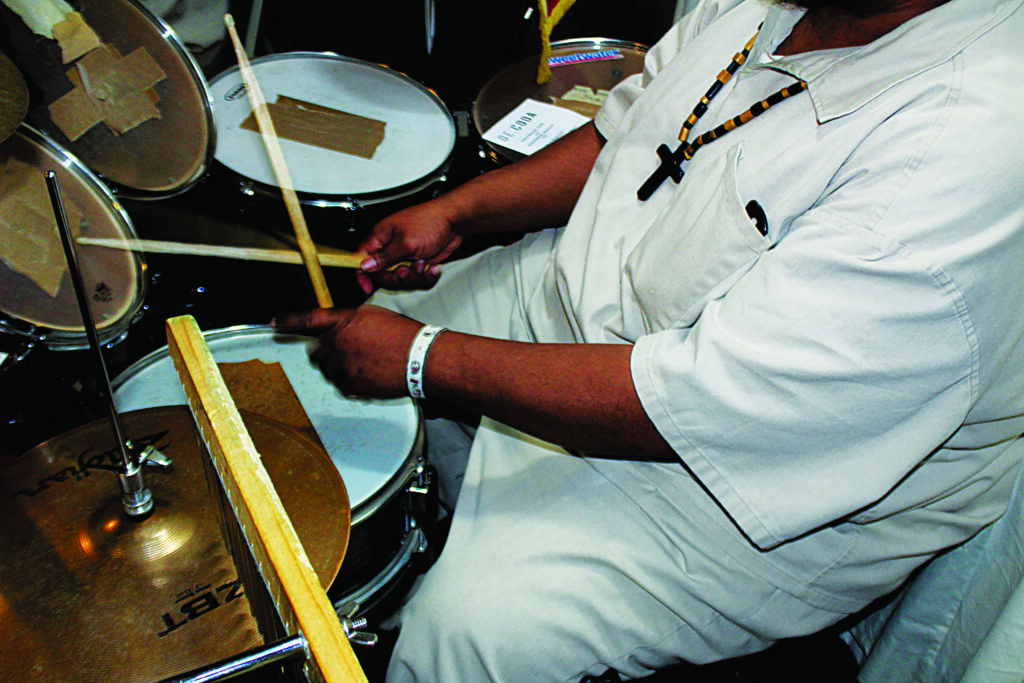
MAKING MUSIC AND writing lyrics may be the oldest and best method of healing through artistic expression. An innovative prison songwriting program organized by the New York City chamber ensemble Decoda is seizing upon this idea, giving incarcerated men back their sense of self through music.
“Our program gives them a sense of individuality and purpose—that validation of who they are as a human being,” says cellist Claire Bryant, who runs the Music for Transformation program for Decoda.
Affiliated with Carnegie Hall, Decoda places an emphasis on making music more accessible through partnerships with prisons, schools, health-care facilities, and homeless shelters.
Since 2014, Music for Transformation has put on collaborative, weeklong music workshops with men at Sing Sing Correctional Facility in Ossining, New York, and at Lee Correctional Institution in Bishopville, South Carolina.
When rehearsal begins, the men are typically guarded and closed off—prisons typically don’t offer a lot of safe places to express emotion or creativity.
“By the end of the day, they’ve got that spark back,” Bryant says. “It’s a daily transformation and awakening.”
Musical abilities in the program range from beginners to skilled musicians. This year, the men in the Music for Transformation program at Lee spent a year writing and rehearsing a ninety-minute musical show called Lincoln Portrait, which they performed at the prison in April.
“Performing in front of their peers and prison staff is an important culmination of the program,” Bryant says. “It humanizes the men in front of the staff. They get to be seen being very brave and singing these songs they wrote. It’s a powerful thing to see.”
South Carolina Department of Corrections director Bryan Stirling believes programs like Music for Transformation are the key to making prisons safer.
The Music for Transformation participants come from Lee’s Better Living Incentive Community, a dormitory at the prison that offers classes and other privileges as rewards for good behavior. Unlike other parts of the prison, “the Better Living Incentive Community has never had a problem with violence,” Stirling says. “Music for Transformation gives the men a positive outlet. It’s both an incentive and a reward for the participants.”
Catherine Gregory, flutist and co-artistic director of Decoda, will participate in an ArtDesk Conversation on July 6, 2018, at the Green Box Arts Festival in Green Mountain Falls, Colorado. decodamusic.org
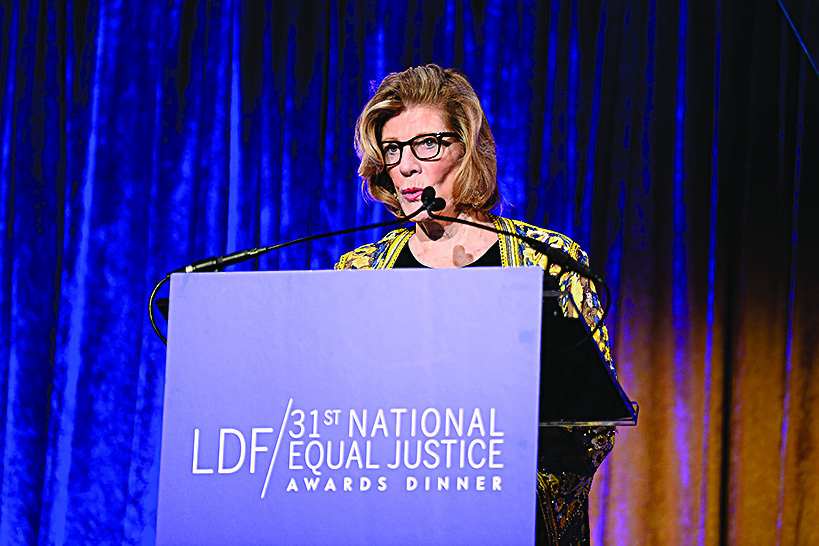
GOOD AMERICAN
As the grandmother of six African-American children, Agnes Gund wanted to address the stark racial injustices existing in the American prison system. In 2017, she made headlines when Masterpiece—her beloved Roy Lichtenstein painting—fetched a whopping $165 million sale price. With this sale, Gund developed the Art for Justice Fund. In partnership with the Ford Foundation and several other donors, Art for Justice is a newly formed nonprofit investing more than $100 million into efforts to reform the criminal justice system. Grants are focused on initiatives and programs that work toward reforms in the bail systems, sentencing, and the re-entry barriers that ex-convicts face, with “the goal of reducing mass incarceration by 20% in target states over five years.”—SUSAN EBERT artforjusticefund.org