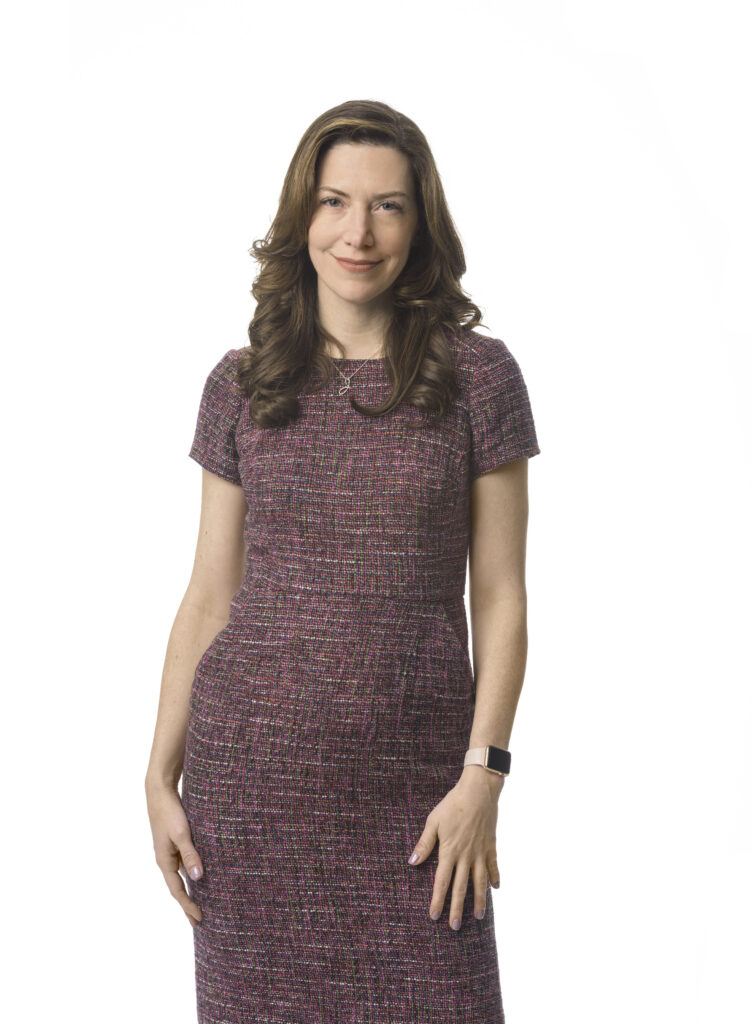
Jill Bourne, director of the San José Public Library in California, has garnered national recognition for her advocacy work. Named the 2017 Librarian of the Year by Library Journal, Bourne revitalized the city’s library system in the wake of devastating budget and staffing cuts. Energetic, open-minded, and forward thinking, this librarian shatters stereotypes in leading her organization and her profession in the digital age.
Here, she chats with Meaghan Hunt, the engagement manager for the Metropolitan Library System in Oklahoma City.
MH: Why should public libraries be maintained as physical spaces?
JB: According to the Pew Research Center, the number-one thing that public libraries have going for them is that they are understood to be neutral, private, and our entire reason for being is to provide people with information and to ensure that they can access it freely. We have a responsibility to manage that. The library
is pretty much the only civic entity whose primary role is ensuring access to constitutionally protected free speech. That sounds really boring.
MH: No, it doesn’t!
JB: Okay, good!
MH: You’ve seen the stereotypes of a shushy librarian amid dusty books. Could you paint a picture of the new information professional?
JB: I think it probably was always a very diverse field, but it is especially today. I could open a whole department on information architecture and data management—people go into that field with heavy science backgrounds. There are a ton of librarians who become a librarian because you care about helping people. Because we are one of the last truly open public spaces that treat everybody equitably, it’s a platform for people who want to help others in a variety of ways. There is also [what I call] “high librarianship”—the literary librarian who actually writes novels and they’re published and who reads everything. You can ask them anything about popular fiction or nonfiction, and they’re amazing.
MH: What’s important about a library in 2018?
JB: What’s fascinating about being a librarian today is that while people thought the internet would make libraries obsolete, it actually makes information confusing and difficult to find. Ensuring that everyone has access to real information—especially people who are somehow under-resourced—is essential. Another role of libraries is that of protecting and preserving and curating the cultural narrative of your municipality. In a world where everything goes online, less primary-source material is available to people in the community. Our job is to make it available, not to cloister it away or charge for access to it.