Oh Pioneers!
STORIED DESIGN GURU AND INNOVATOR DAVID KELLEY RUNS DOWN HIS TOP 9 DESIGNS BY ITALIAN POSTMODERN MASTER ETTORE SOTTSASS.
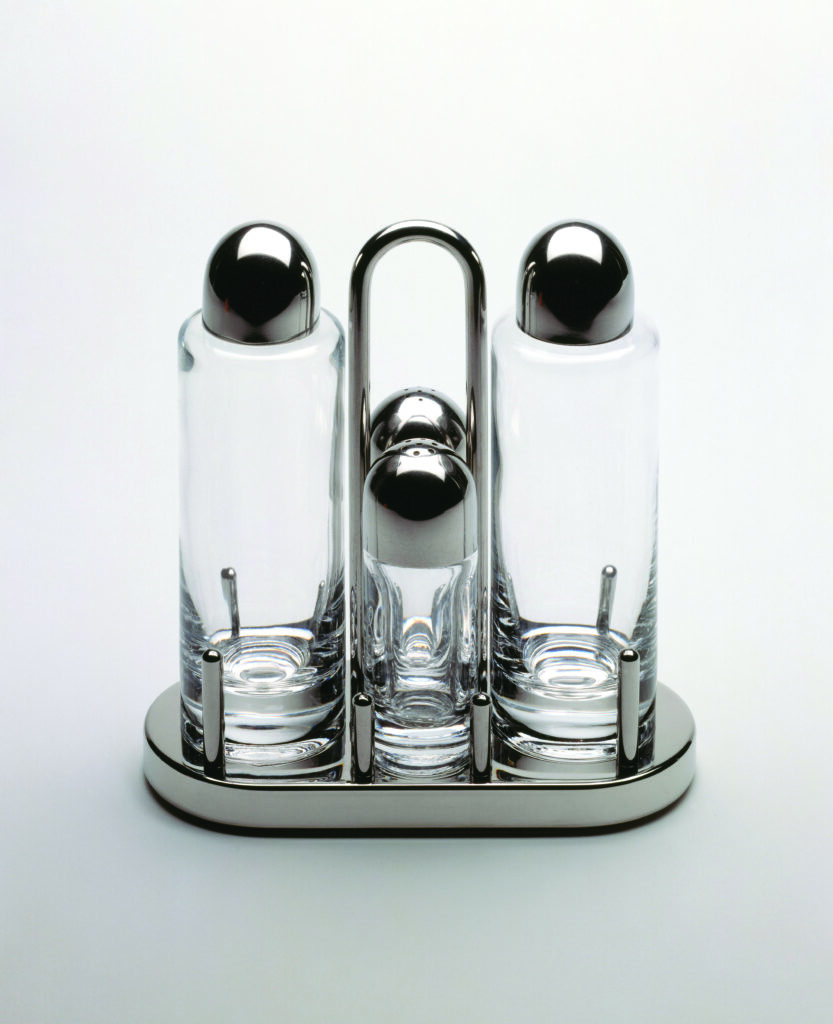
5070 CONDIMENT SET
“A small piece of table-top furniture”
Created for the Italian design brand Alessi in 1978, this may be the sleekest way to store oil, vinegar, salt, and pepper. Purchase your own set at the MoMA Design Store. store.moma.org

ENORME TELEPHONE
Designed in 1986
A collaboration between Kelley’s company, IDEO, and Sottsass, this design turned a utilitarian object into a work of modern art. Now part of MoMA’s
permanent collection.

CASABLANCA SIDEBOARD
From the debut collection of Memphis Milano
The world first caught a glimpse of the influential Memphis Milano at Salone del Mobile. Milano in 1981, a world-renowned furniture exhibition. Karl Lagerfeld and David Bowie were early collectors of Memphis Milano designs.
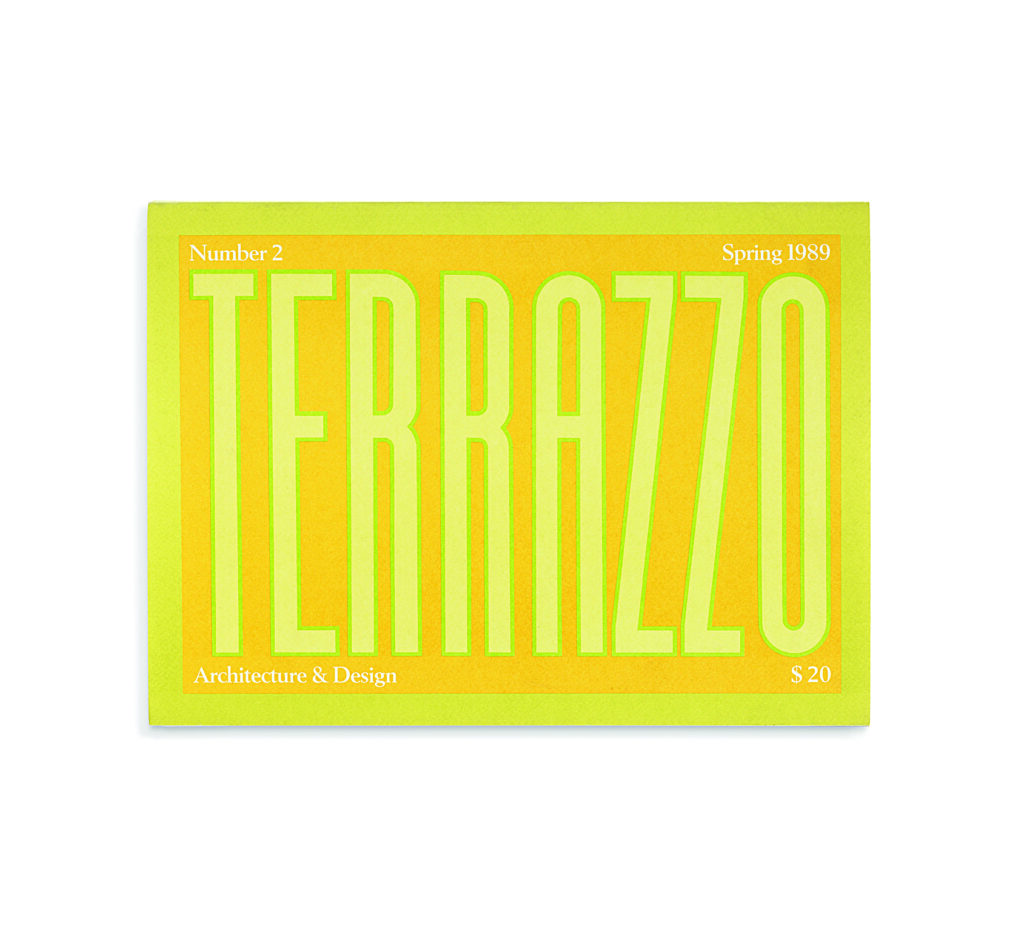
TERRAZZO MAGAZINE
Debuted in 1988
Published and edited by Sottsass’ wife, Barbara Radice, an Italian journalist and author. Sottsass regularly contributed to this gorgeous bi-annual magazine, which focused on architecture and design. Back issues can be found on eBay, in vintage bookshops, and on the Swiss gallery New Jerseyy’s website. newjerseyy.ch
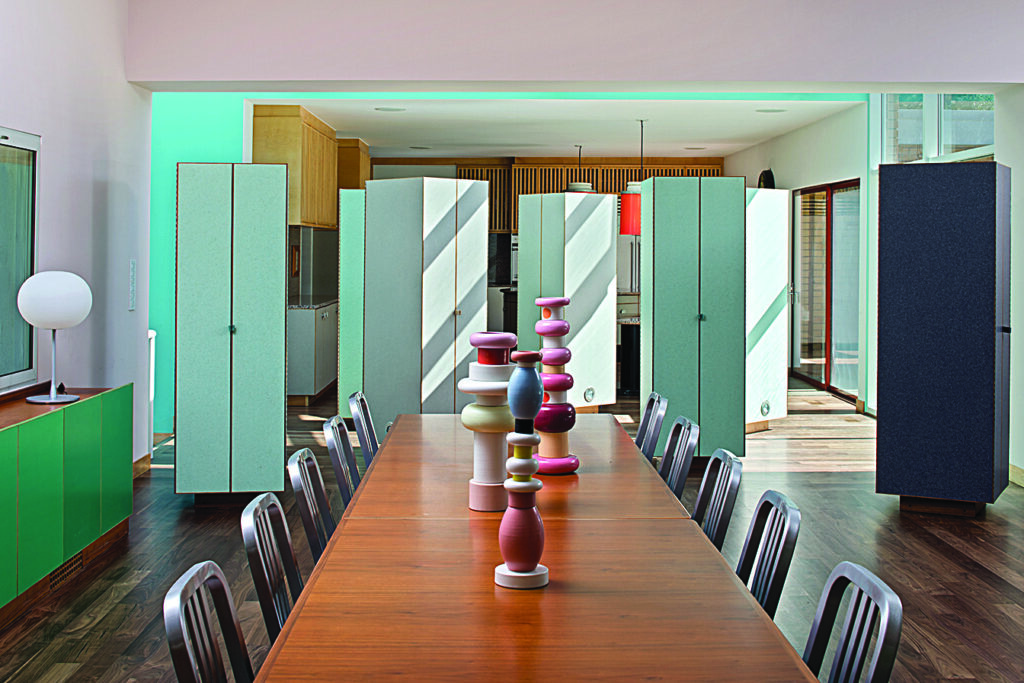
CASA KELLEY
Woodside, California
One of the last homes designed by Sottsass before his death in 2007, and one of only three by him in the United States. Built between 1998-2000, this home, in tech haven Silicon Valley, was designed with a Mediterranean village in mind.
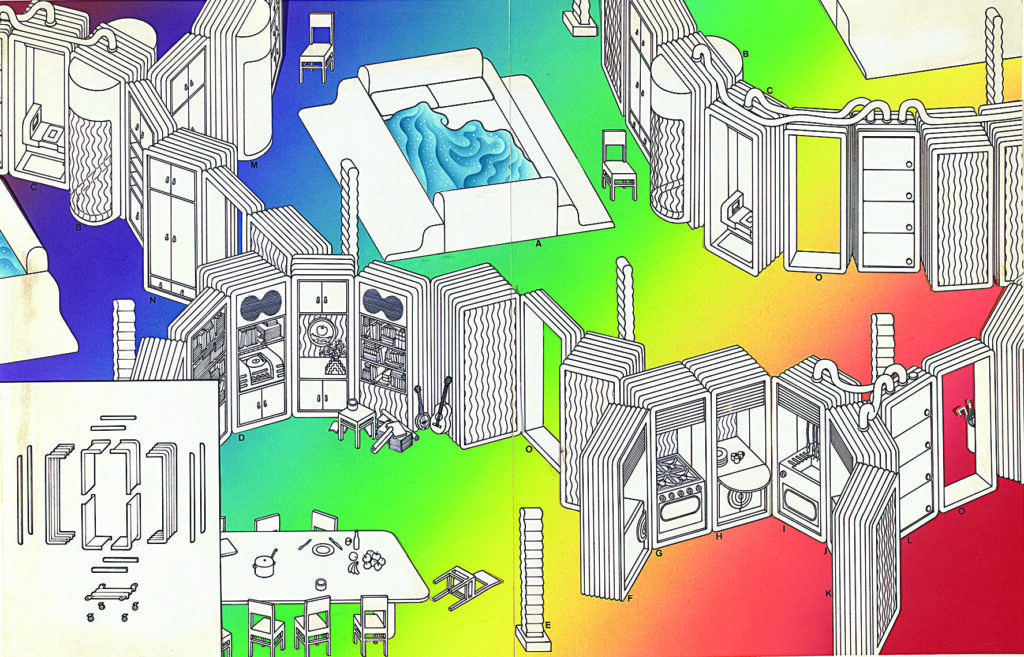
PRELIMINARY PROJECT
FOR MICROENVIRONMENT
Designed in 1971
Designed for the landmark 1972 MoMA exhibition, Italy: The New Domestic Landscape. These plastic cubbies were exhibited as a customizable environment, approaching contemporary living from a pro-design perspective.
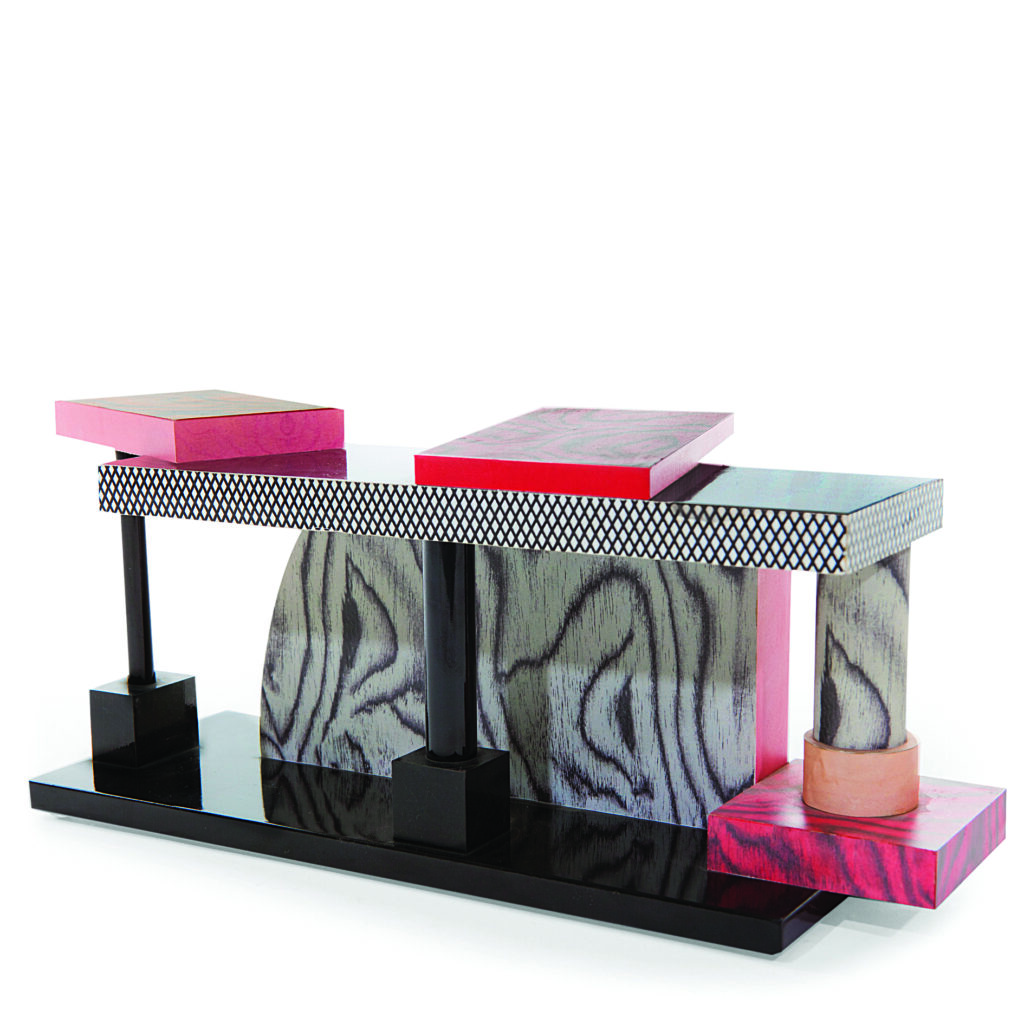
TARTAR TABLE
Part of the 1985 Memphis Milano collection
The design group Memphis, a self-proclaimed “cultural phenomenon of the ’80s,” was lead by Sottsass and a group of architects who worked beyond the creative limits of the time to develop exciting pieces in the name of New Design.

CASA CEI
Empoli, Italy
Designed and built between 1990 and 1993, this award-winning house draws inspiration from village buildings in the episcopal town of Iglesias, a subject of Sottsass and his father’s architectural research.
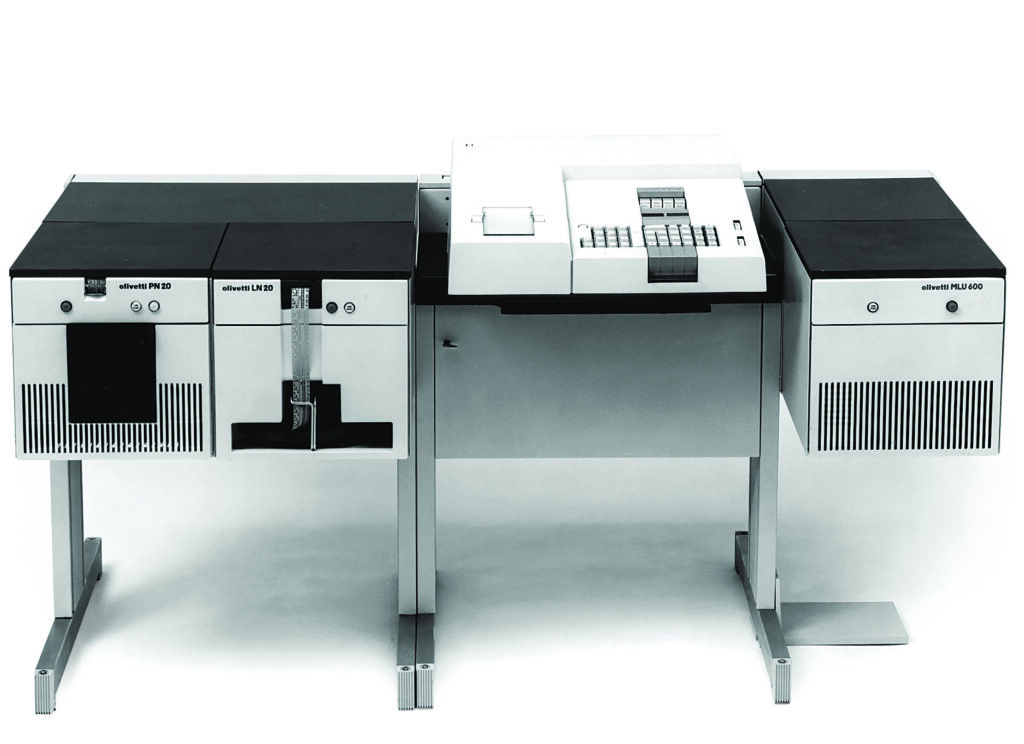
P602 MICROCOMPUTER
Designed for Olivetti in 1971
This leading Italian manufacturer of business technology partnered with Sottsass to produce its latest microcomputer design. He also helped develop the Valentine Portable Typewriter in 1968, a bright red statement piece in the world of grayscale technology.
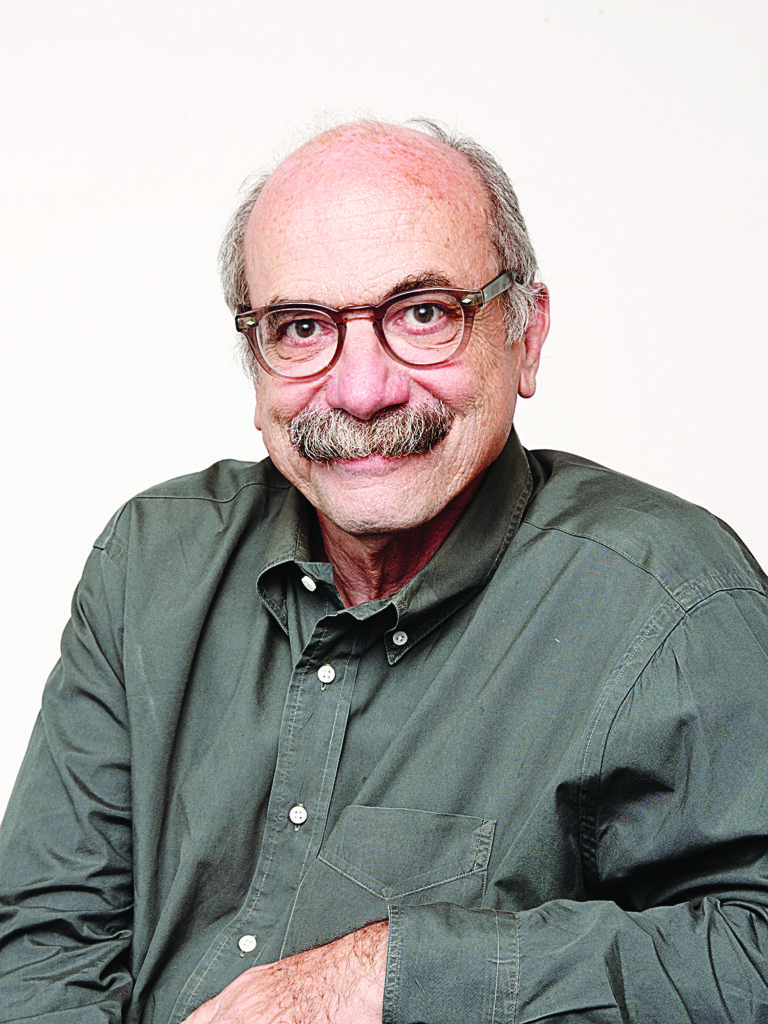
David Kelley
A CREATIVE ENGINEER
As the founder and chairman of the Silicon Valley global design and innovation company IDEO, David Kelley is widely known for teaching human-centered design methodology and design thinking to students and business executives. Kelley and his brother Tom co-authored the New York Times best-selling book, Creative Confidence: Unleashing the Creative Potential Within Us All. As Stanford’s Donald W. Whittier Professor of Mechanical Engineering, Kelley is the academic director within the School of Engineering and has been a professor in the program for more than thirty-five years. He also founded Stanford’s lauded d.school, the Hasso Plattner Institute of Design. Thanks to their mutual friend, Steve Jobs, Kelley and Ettore Sottsass first met in the early 1980s to collaborate on the Enorme telephone.
ideo.com
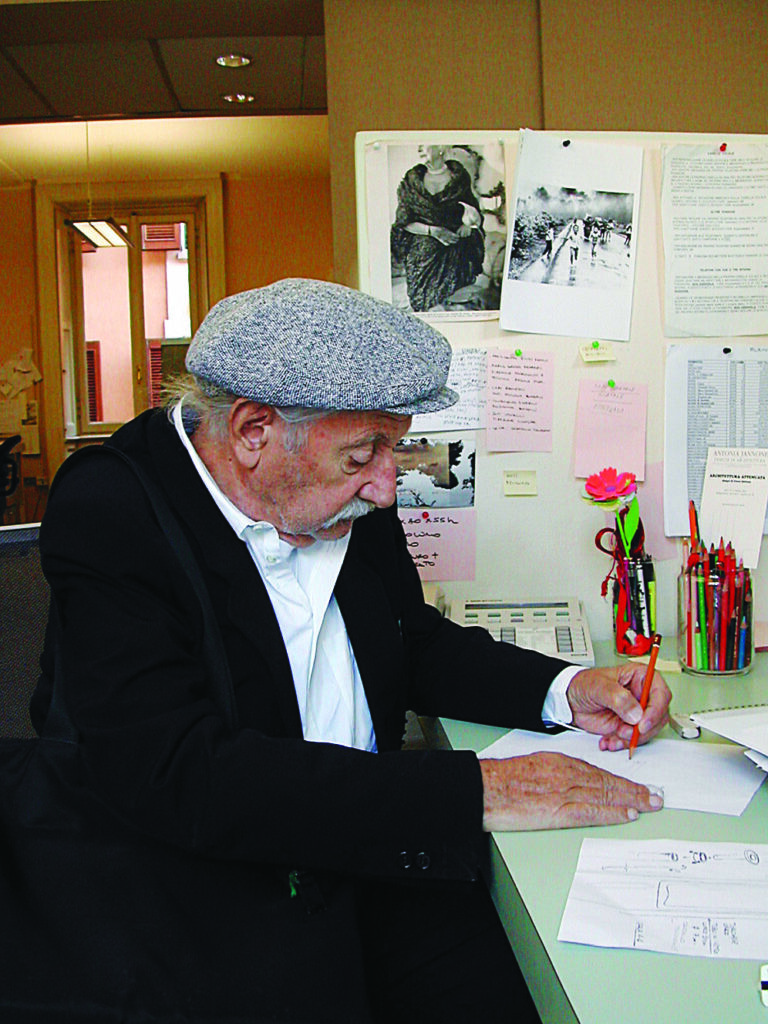
Ettore Sottsass
PERFECTLY POSTMODERN
Ettore Sottsass (1917–2007) was an Italian architect and designer whose six-decade career advanced twentieth-century modern design, combining extraordinary color and patterns with ordinary materials. Founder of the Memphis group in the 1980s, Sottsass collaborated with Milanese architects and designers to create a path for “New Design,” through which they brought excitement to everyday objects. In addition to furniture, architecture, and ceramics, Sottsass pioneered industrial product design, like his formative interpretations of computer technology for Olivetti. Sottsass Associati, Sottsass’ design consultancy, operates today to maintain the philosophy and work of his legacy. He’s described by renowned American curator and art historian Hans Ulrich Obrist as a “renaissance figure.” sottsass.it