ART AND CULTURE
Mexican Reflection
Built over the last decade, a contemporary art alliance between Oklahoma City and Guadalajara arrives in full force.
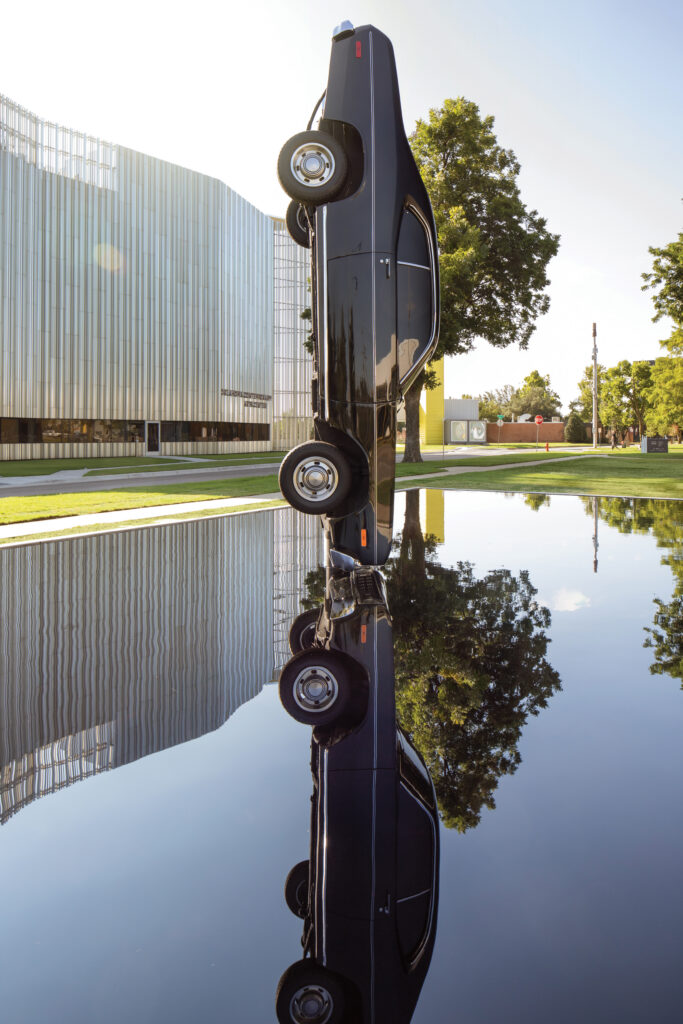
ART AND CULTURE ARE the central elements of any great city. By the 1990s, the city of Guadalajara, capital of the western Mexican state of Jalisco, had established a rich legacy over several hundred years. Home to Mariachi and tequila, an exponent of modern architecture and Mexican muralism, and host to an international book fair and the first Ibero-American Summit, the region laid claim to many internationally resonant forms of creative expression. But, overshadowed by the cultural megalopolis of Mexico City, a hotbed of contemporary art it was not.
A quarter century later, Guadalajara is the hub of one of the most dynamic and celebrated contemporary art communities on the planet. Simply put, a small but determined group of aspiring artists, often with formal training in disciplines like architecture and literature, decided to stay and build, brick by metaphorical brick, a contemporary scene from scratch.
Aided by an affordable cost of living, ample space, and the multigenerational presence of skilled artisans and ateliers, these artists created collectives, founded artist-run project spaces, and established studios. They invited artists from around the world to visit the city, facilitating global cultural exchange.
As momentum mounted, the area’s first museum dedicated to contemporary art, Museo de Arte Zapopan (MAZ), was founded in 2002. Three years later, it was named the year’s American Capital of Culture. Around this time, multiple Guadalajara-based artists like Jose Dávila and Gonzalo Lebrija had begun to exhibit work internationally. Today, Guadalajara boasts one of the world’s richest ecosystems for contemporary art production and tops list after list of must-see art destinations.
This fall, Oklahoma Contemporary will present an exhibition exploring the “house” created by these artists: La casa que nos inventamos: Contemporary Art From Guadalajara. Organized by MAZ director Viviana Kuri and Oklahoma Contemporary, the exhibition features nearly fifty works across an array of disciplines by nineteen artists, installed throughout the Arts Center’s galleries, lobby, and outdoor spaces. (See pages 12-19.)
With the newest Mexican consulate in the US opening next year in Oklahoma City to serve the area’s large, vibrant, and growing Mexican-American population, now is the time to explore the unexpected connections between these cities. This exhibition charts a path of inquiry and exchange for audiences to consider.
“The temper of these works serves as a mirror in which the two cities can see themselves reflected and each receive the image of the other,” says Kuri, the curator. “We come to the pleasing conclusion that the world is not so different far away from how it is nearby.”
Oklahoma City is entering its fourth decade of economic and cultural expansion. The city has a relatively low cost of living, abundant space, a skilled manufacturing base, a growing population, and an economy that is expanding and diversifying. This exhibition offers an opportunity for the community to learn from the experiences of Guadalajara’s creative ecosystem while simultaneously reflecting on the qualities that have led to its rising success.
For Oklahoma Contemporary’s guest director of curatorial affairs Dr. Kate Green, the new exhibition prompts vital questions: “What makes for a fertile creative community? What defines the cultural language of a city?” The ways in which Oklahoma City addresses these questions and others may yet determine the city’s trajectory over the next quarter century.
In reflecting on the development of Guadalajara over the past several decades, artist Jose Dávila notes how far the region has come. “During the late 1990s and early 2000s, the art community had to ‘build’ a house where we could all live, where we could become family, a place for generations to come,” he says. “We needed a house. We built an immaterial thing, which is an arts community. Artists can now stay here to live and work; we no longer need to emigrate to Mexico City or elsewhere. Now younger generations can visualize a professional life here—before it was either emigrate or adapt.”
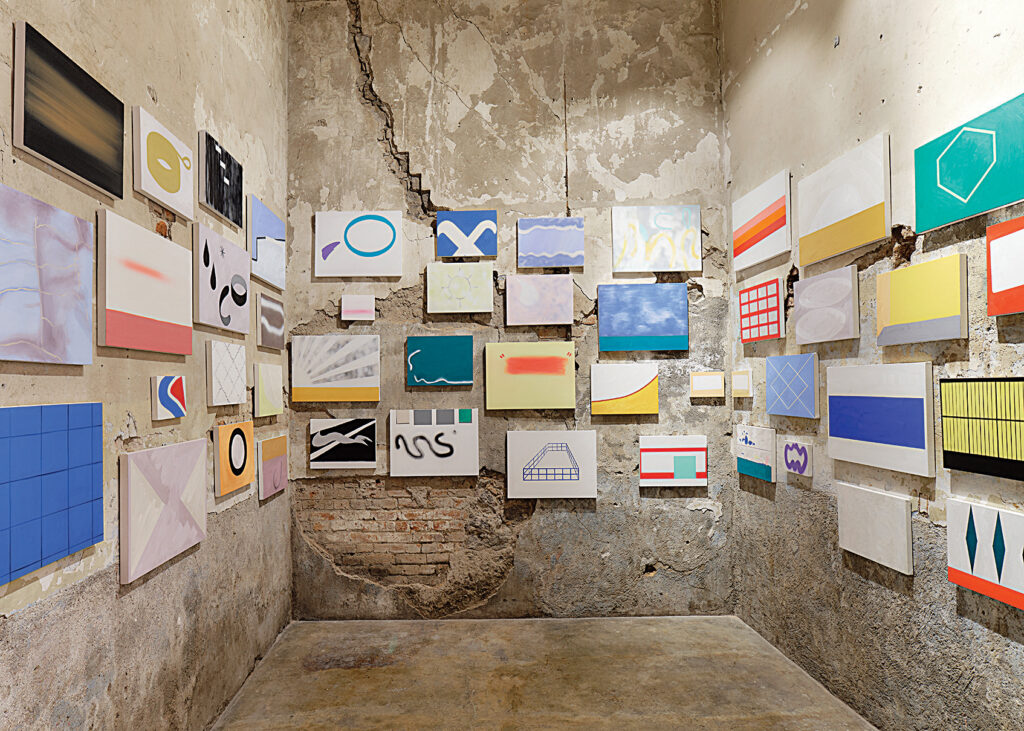
Oklahoma has produced generations of talented artists whose work reverberates well beyond the confines of the state and the country. But for many of them, the choice was also to either move to a larger city, or modify their goals. With the contemporary artists of Guadalajara as a collective guide and La casa que nos inventamos as one possible blueprint, what kind of house will the artists of Oklahoma City build to live and work in, so future generations of artists will choose to stay?
La casa que nos inventamos: Contemporary Art From Guadalajara is on view through January 9, 2023. For more information please visit oklahomacontemporary.com