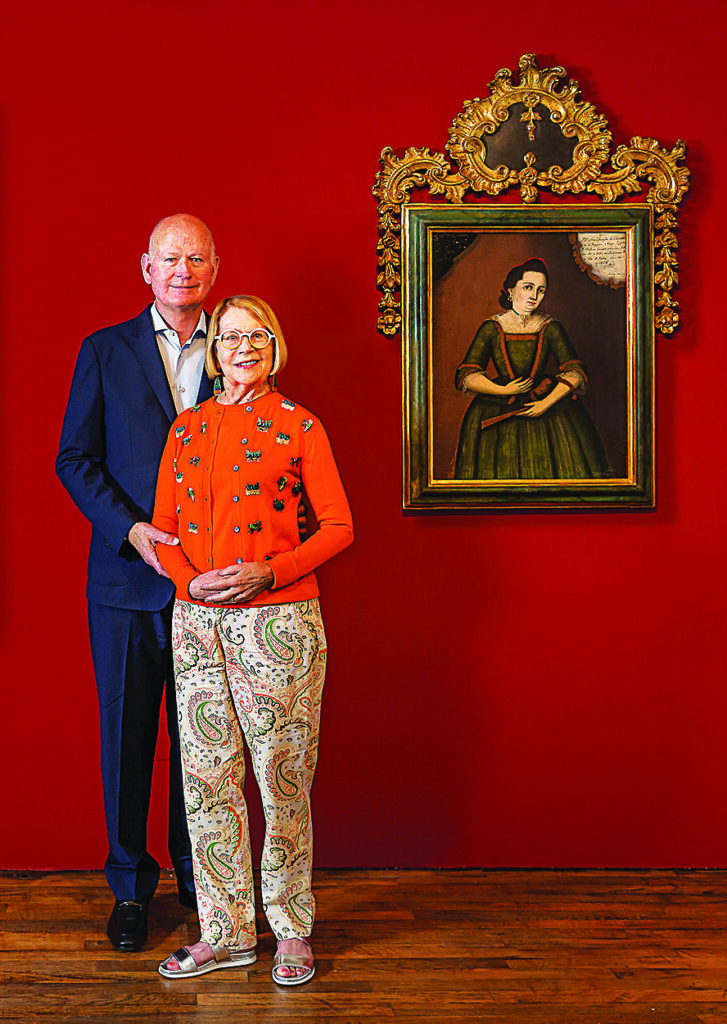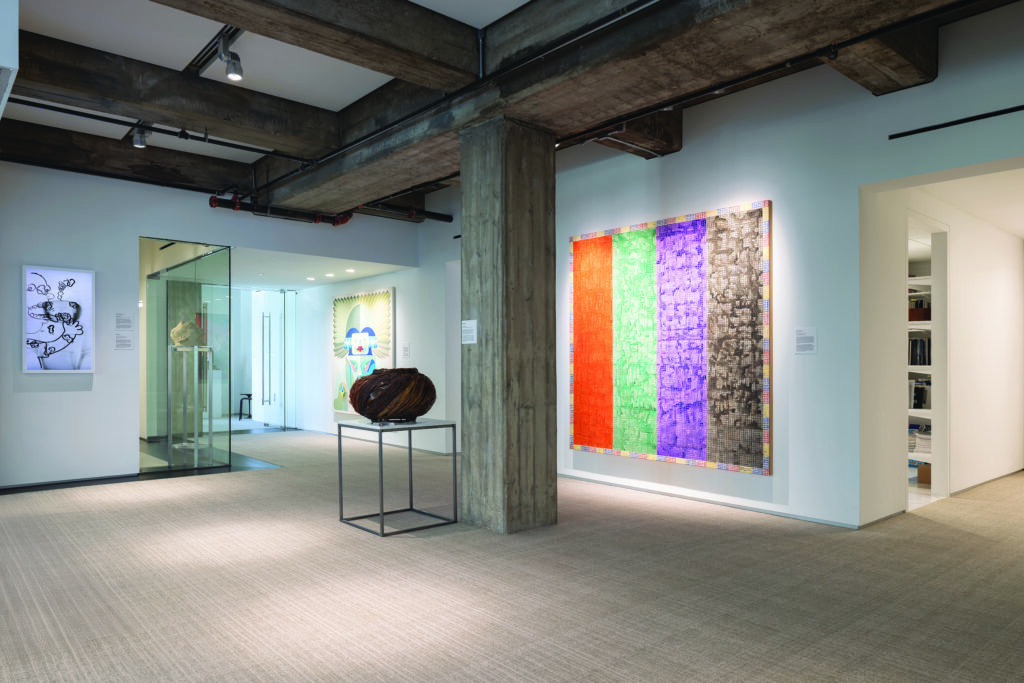
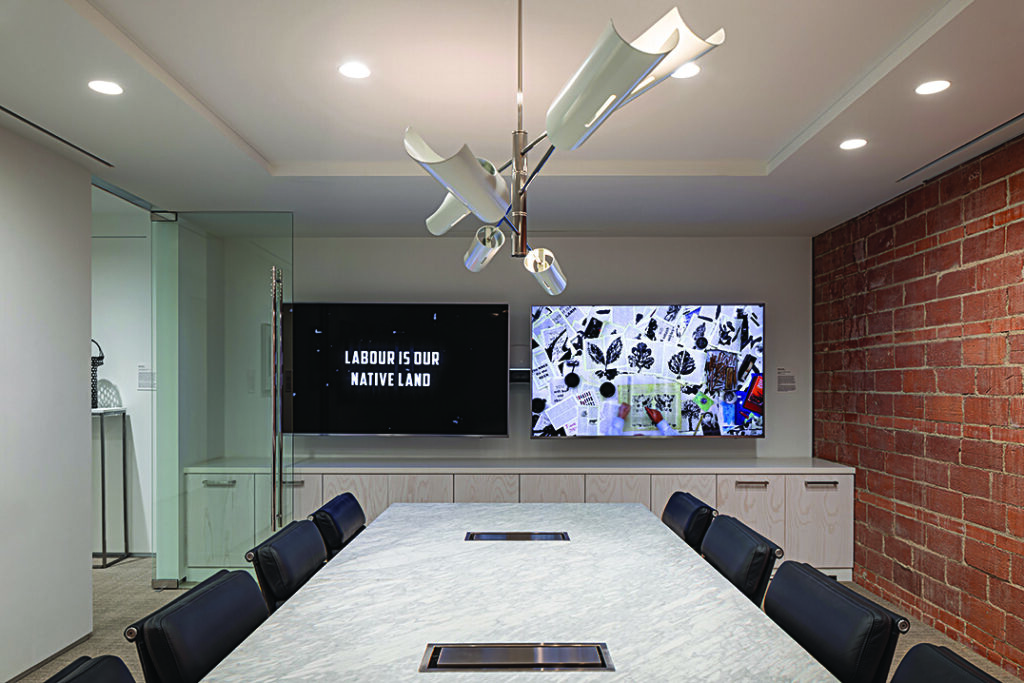
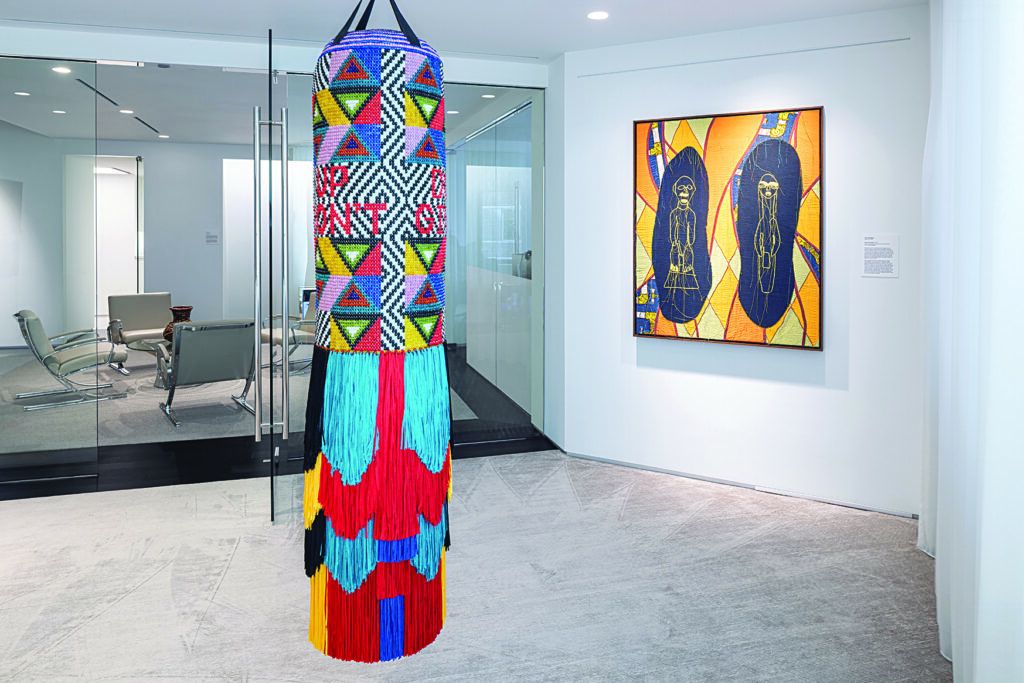
Carl and Marilynn Thoma began acquiring artwork in 1975, and have since expanded their collection into more than 1,700 works across four broad fields. The Thoma Foundation, established in 2014, displays these artworks in exhibition spaces in Santa Fe and Dallas while also lending pieces to exhibitions worldwide. Seeking to spread opportunities for curiosity and innovation, the foundation also provides various programs in arts and education in the rural Southwest. Here we tour the foundation’s downtown Dallas office and explore the ideas and influences shaping their work.
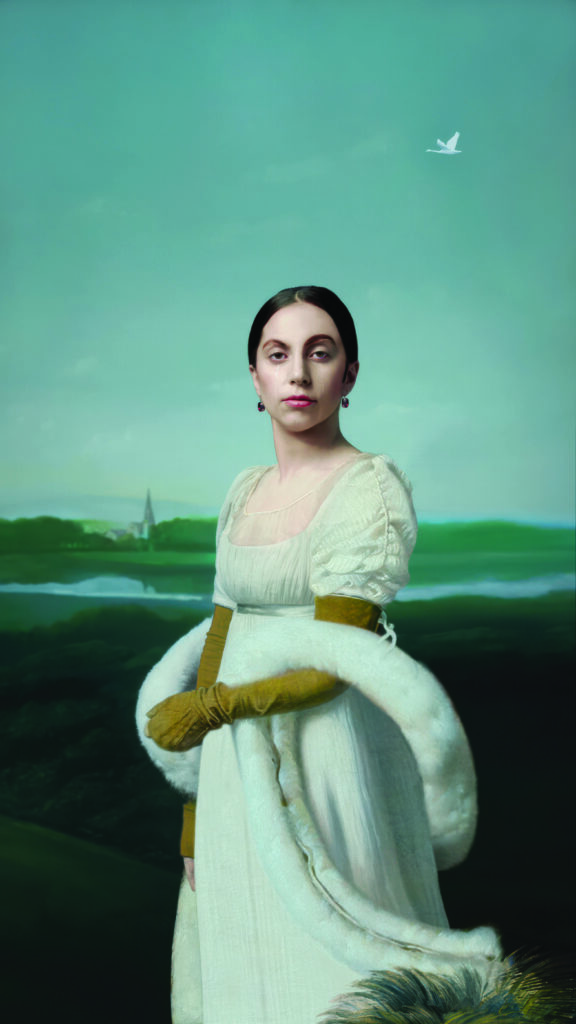
ArtDesk: Your collecting fields have their own distinct focus, representing different perspectives. What ignited your interest in these particular fields? How do they each contribute to the overall vision of the collection?
Carl and Marilynn Thoma: For us, collecting has always been guided by curiosity, and it’s grown from a desire to learn and to support. While the fields range from art of the Spanish Americas, digital and media art, Japanese bamboo, and post-war painting and sculpture, together they tell a story about innovation and how art serves as a tool for understanding the world and one another. Oklahoma is actually a great place to see our range.Our alma mater, Oklahoma State University, is showing Three Works, Three Spaces, with loans spread across three different spaces on campus. In July, the Philbrook Museum of Art in Tulsa opened Roadside Abstractions: Route 66 & American Modernism, featuring twelve pieces from our post-war collection. We’re looking forward to Elemental Visions: Fire, Water, Earth, Air and the Moving Image, opening at the Oklahoma City Museum of Art in 2027, which will bring our digital and media art into conversation with historic and contemporary filmmakers. In 2028, we have a collaboration with Oklahoma Contemporary Arts Center on the horizon.
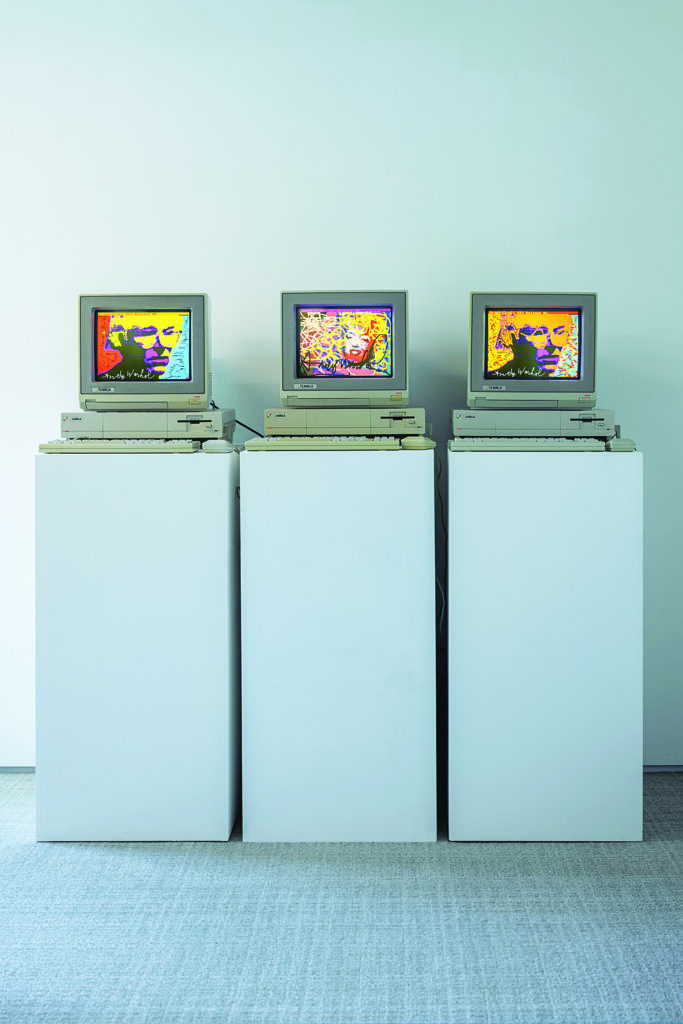
Digital and media art encompasses many different forms. How do you embrace or highlight the variety of approaches and styles?
Our approach is to lean into the variety the field offers. We embrace artists who push the medium in different directions, through video, light, sound, generative work, interactive installations, and more. Our collection spans from the field’s earliest practitioners to contemporary artists working today.
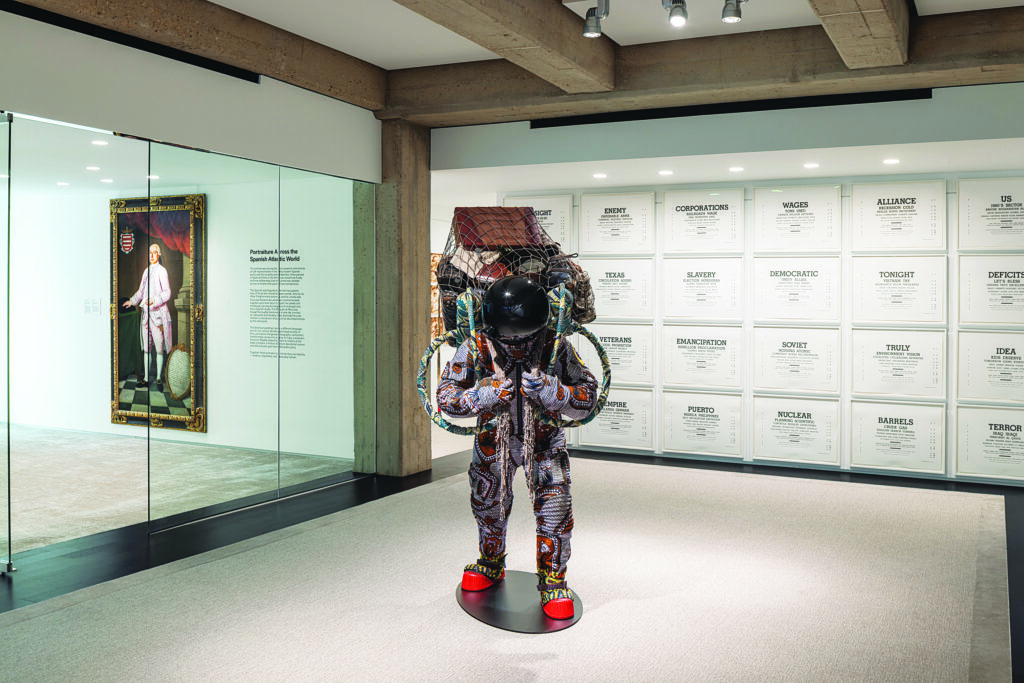
How do you encourage visitors to think about the role of colonialism and the Spanish viceroyalty as they experience the Art of the Spanish Americas collection?
We hope visitors come away appreciating that history is rarely simple. The colonial period was undeniably marked by violence and loss, but it was also a time when Indigenous artists, patrons, and communities continued to shape artistic and cultural life in important ways. Many of the paintings in the collection include Indigenous patrons who chose how they wanted to be represented, preserving their identity, status, and family histories within these works. We are all active participants shaping its history.

The Japanese bamboo collection brings together craft and art, tradition, individual expression, and artistic lineage. How do these themes come together to tell the story of Japanese bamboo art?
Many of the artists we collect have trained for years within a lineage, learning techniques passed down from teacher to student, sometimes across generations. Mastering the craft provides a foundation that allows artists to develop a personal voice. What excites us is seeing how that lineage is honored while pushing the material into new sculptural territory. Visitors will get the chance to see this come to life in Twisted, Plaited, Sculpted: Collection of the Carl & Marilynn Thoma Foundation, opening November 7, 2026, at the Crow Museum of Asian Art’s Dallas Arts
District location.
Your collection of post-war painting and sculpture and mid-century global abstract art represents the major art movements happening around 1950–1979. What cultural ideas or stories do you think are most visible across these works?
Artists everywhere were responding to the aftermath of World War II, and abstraction became a way to process it all. What stands out to us is that this wasn’t unique to New York or Paris. Artists in Latin America, Japan, and elsewhere were developing their own approaches, sometimes echoing those centers, sometimes pushing back against them, but always shaped by their own place and politics. You see shared interests in geometry, gesture, and material experimentation across the board, yet each artist’s take remains distinct. Together, these works illustrate art as a global language.
Much of the Thoma Foundation’s philanthropic work is in the rural Southwest. What is your vision for how opportunities in the arts might influence these rural communities?
In many rural communities across the Southwest, access to higher education, museums, and cultural experiences can be limited simply because of geography. That’s why our philanthropy extends beyond the arts alone. Through the Thoma Scholars Program, we provide full cost-of-attendance scholarships for up to four years to students from Northwest Oklahoma, West Texas, and Eastern New Mexico to attend Texas Tech University or Oklahoma State University and pursue higher education in their chosen field. We believe education creates possibilities, and every student should have the chance to follow their own path. At the same time, we see the arts as an important part of a thriving community. Through our public exhibition space, Thoma Collection in Santa Fe, as well as partnerships with museums, universities, and cultural organizations throughout the Southwest, we hope to inspire people to experience something they might not otherwise encounter.