CLASSICAL MODERN
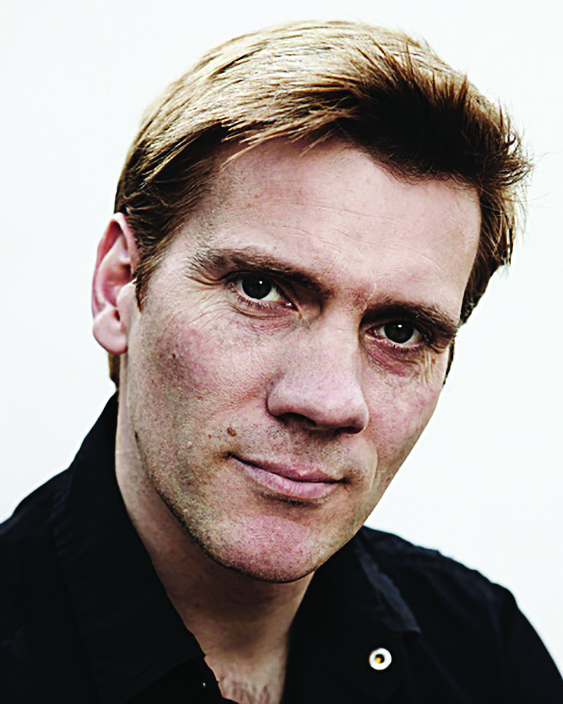
The Royal Ballet-trained dancer ADAM COOPER speaks with "ArtDesk" dance editor LARRY KEIGWIN about his current work abroad and his future work in Oklahoma. Cooper is set to direct "Grand Hotel" for the University of Oklahoma’s spring production, bringing his award-winning choreography and multidisciplinary talents to its musical theater department.
LARRY KEIGWIN: You juggle a lot. You’re a father raising a family, a choreographer, a dancer. So when someone asks you what do you do—which is a very New York kind of question—what do you say?
ADAM COOPER: It changes. I mean, these days, I tend to be a choreographer more than anything, but then I go through periods where I’m mostly performing. So, it depends what I’m doing, but there’s a long list.
LK: Can you share anything that’s happening in the
immediate future?
AC: I’m choreographing a new operetta with the same director that I’m working with on “Dangerous Liaisons” in
Munich at the moment, called “Three Men in the Snow.” I am in Munich again in April 2019 to do “On the Town,” which I did last year, and it’s the same cast. We’re just doing it in a different theater this time. So we’re putting that back on again, and that was a fantastic show to do.
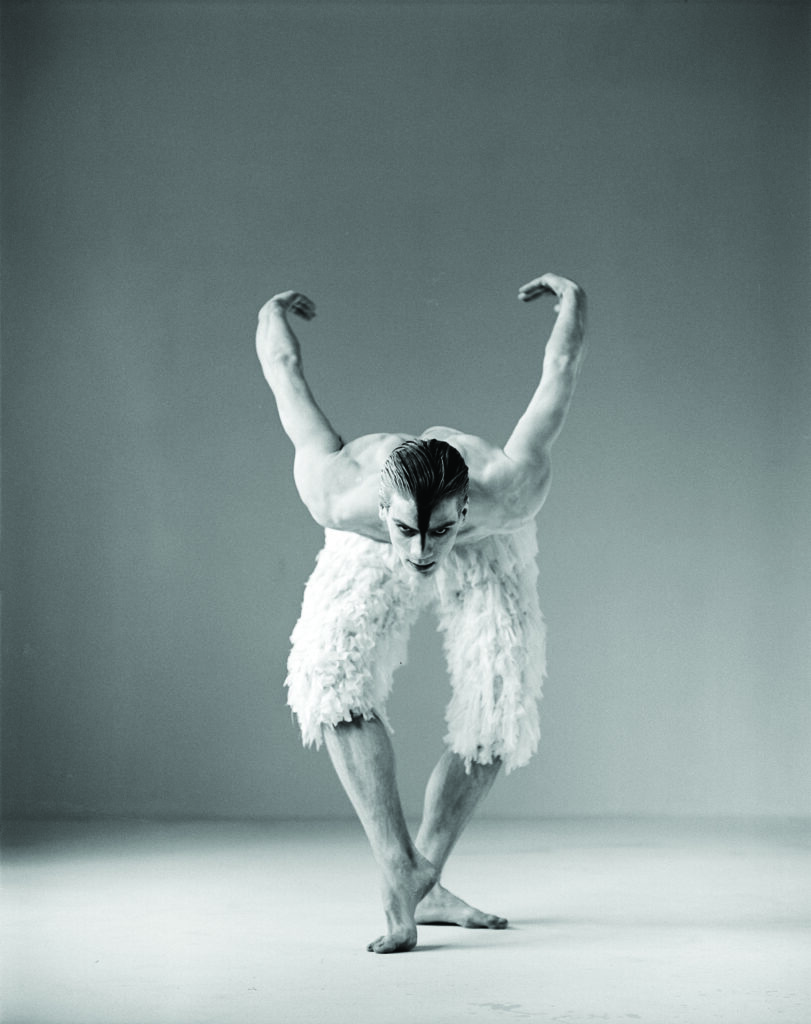
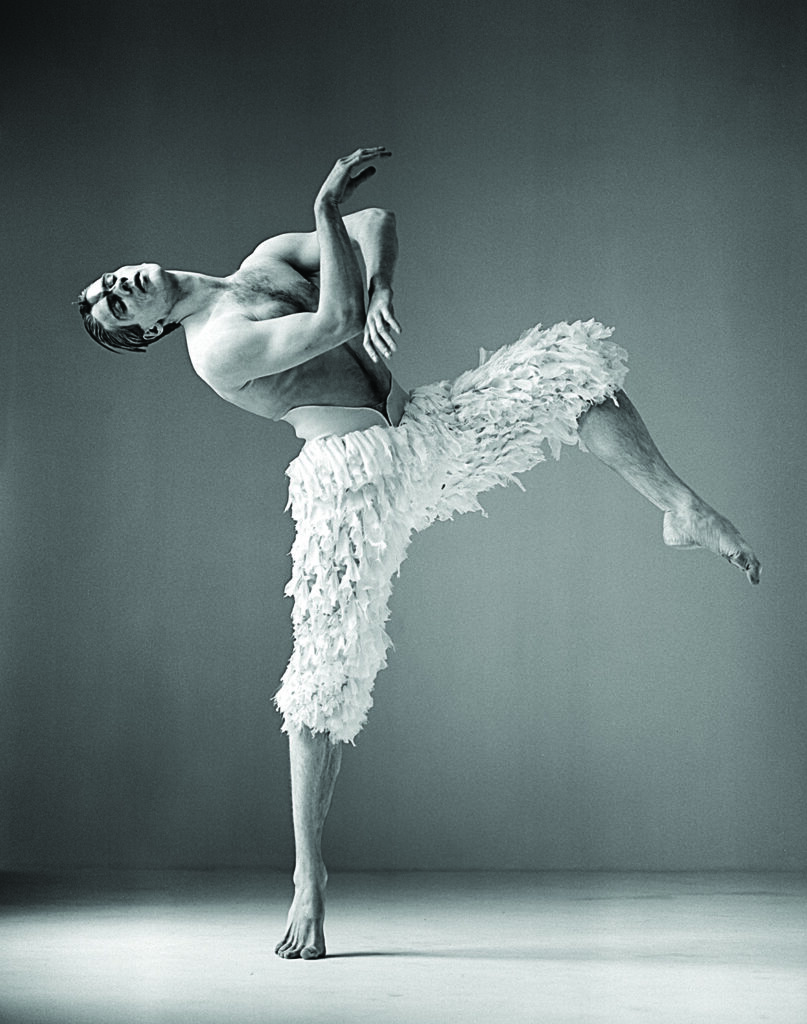
LK: I remember you from Matthew Bourne’s “Swan Lake,” which was spectacular, and I’m sure it burned a memory for many people. Can you tell us about that experience at all?
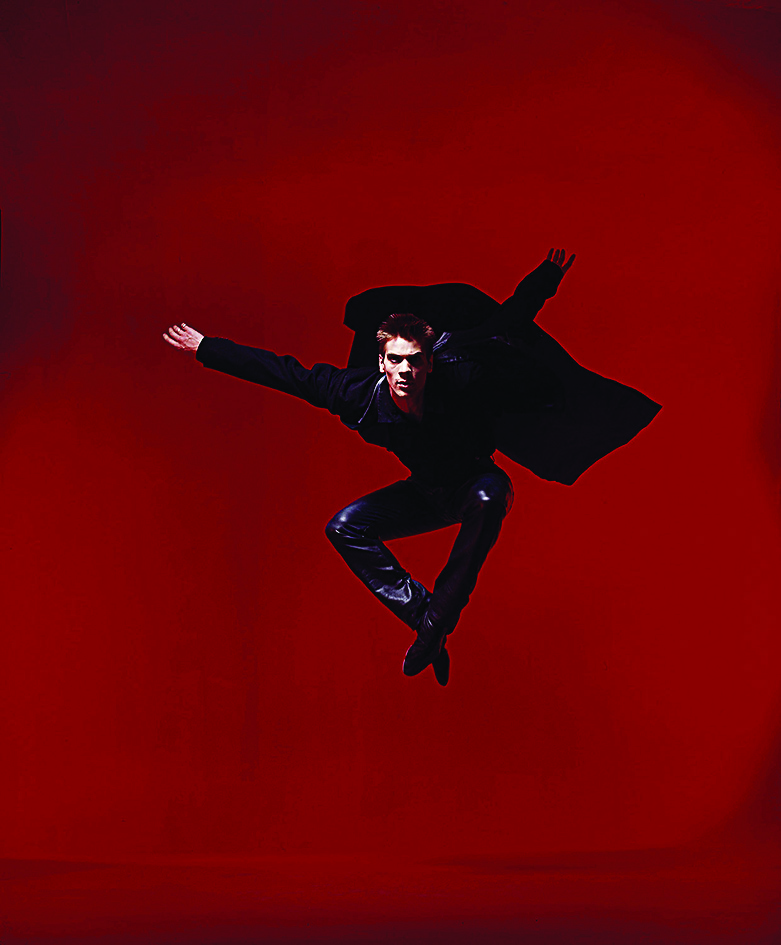
AC: When Matthew originally asked me to create the role of the Swan/Stranger, I was still in the Royal Ballet and had seen a lot of Matthew’s work. I had seen his two previous productions—Nutcracker! and Highland Fling—and really loved what he was doing with the genre. I thought it would be an exciting project to do. I didn’t realize it was going to have the impact that it did. When we started it, it was a three-week run in London and then tour in the UK, and then it [would be] done. Who knew that twenty-three years later they’d still be performing it, and it would have such an impact, I think, not just on the dance community but on the way people view dance and bring in a new audience to dance. It’s touched many, many people, and to have been a part of that is pretty mind blowing, actually.
LK: And then it made an appearance in the film Billy Elliot.
AC: Yes. So, at the time, it was when Swan Lake was at its sort of height in popularity. We had done a long West End season, we had done seasons in Los Angeles and on Broadway, and it was shortly after that they approached me and said, Would you consider being in our little, very small-budget indie British film. And, I was thrilled that they chose that iconic role to be in Billy.
LK: Were either of your parents artists?
AC: My dad was a professional singer who then became a music teacher. My mom had studied dance, and so they were both very into the arts. We were exposed to a lot of music and dance when we were younger, so we had all the right kind of influences in order to help us kind of make our minds up as to what we were going to go into. Although, even at a young age, I didn’t want to pigeonhole myself into one area. I was very aware that in this industry when you say you’re one thing, it’s very difficult for people to see you as something else. I made the decision for two reasons to go into the Royal Ballet School. One was because my brother had done it the year before, and so there was kind of a safety aspect there, [and two] you can do ballet and move from ballet into something else but you can’t do it the other way around. The ballet training that I got at the Royal—you know, the discipline and the technique—has helped me so much in everything else I’ve done.
LK: Speaking of school, I hear you’re going to the University of Oklahoma.
AC: I am. Next spring I’m going to direct and choreograph Grand Hotel. I’ll be there for five weeks.
LK: Have you done that before, wear the hat of both director and choreographer?
AC: I’ve done it a few times now. I opened a theater in the UK back in 2008 directing and choreographing a new
version of Cinderella, a brand new musical, and since then, I’ve done Candide in Germany twice. So it’s something that I’m starting to do a bit more now.
LK: There’s a lot to explore in Oklahoma, and, you know, you will be in the Southwest. Have you ever been there before?
AC: No. It’s one of the states I’ve never been to, actually, and I’m looking forward to exploring a bit. It’s going to be really interesting for me working with musical theater students because I’ve only done that a couple of times before. Mostly when I’m teaching, if I do any teaching, it’s ballet still, or choreography, but it will be really interesting to see how it compares and see what they bring to it.
EDITED BY ALANA RUIZ DE LA PEÑA