Art of All Time
KNOWN FOR HIS ROTHKO EXPERTISE, DAVID ANFAM SELECTS HIS NINE FAVORITE ARTWORKS

DAVID ANFAM, PhD, is the senior consulting curator and research center director at the Clyfford Still Museum in Denver. “Rather than picking obvious contemporary hits, maybe your reader might instead enjoy the personal and the unexpected,” he says. “So these are favorites, not all-time greats. No matter from when the works date, in my eyes their staying power always keeps them ‘contemporary.’” Anfam is based in London.
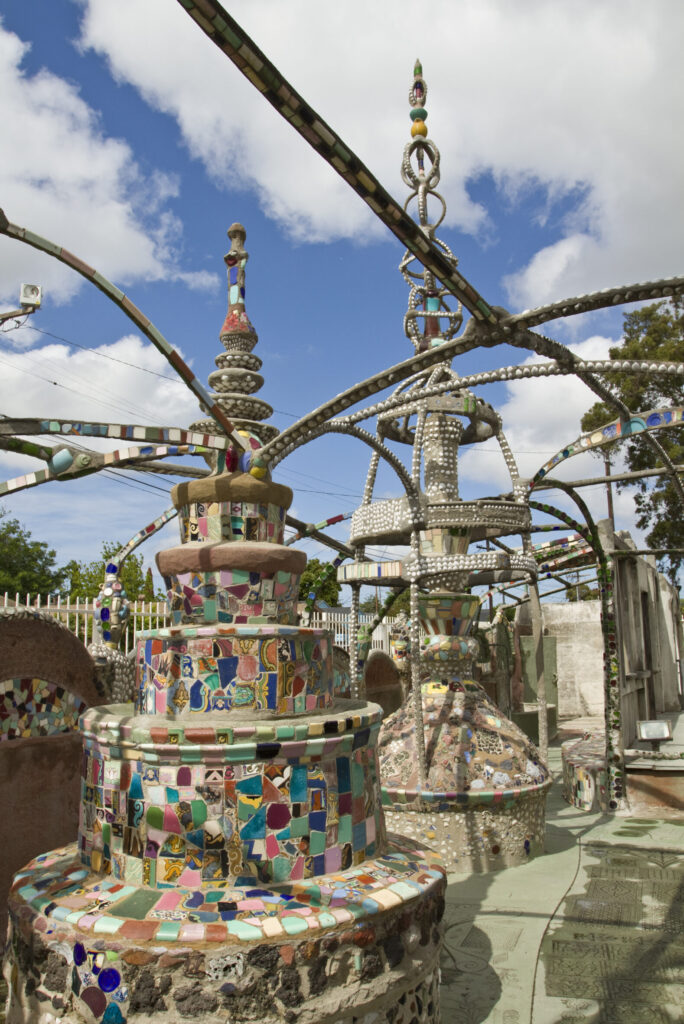
SIMON RODIA
Watts Towers (1921–54/55)
This site-specific sculptural ensemble has a special importance because I still
ask myself how, in December 1977, a deaf twenty-two-year-old English student arrived by public transport to a violence-prone, outlying neighborhood of Los Angeles? The towers represent an icon of outsider art and a lasting tribute to one man’s enigmatic fortitude. Spiraling upward in a drab setting, they are like a poignant tribute to an unknown god.
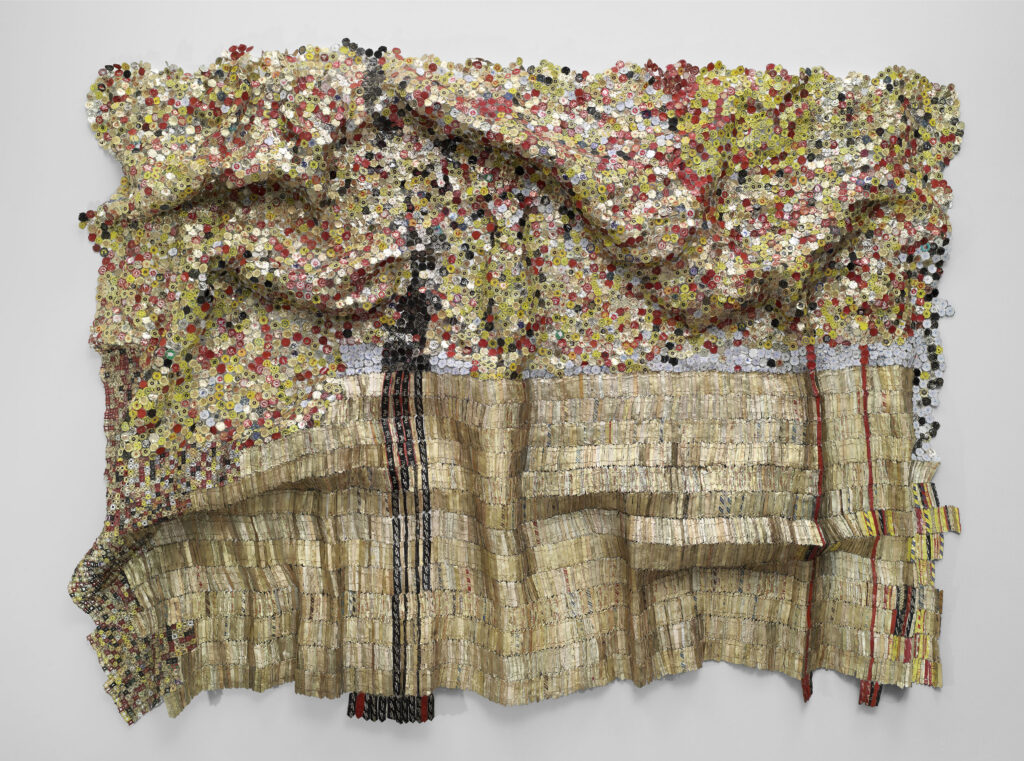
EL ANATSUI
Black River (2009)
As I trudged through a dull Venice Biennale, there suddenly arose in the Arsenale’s vast spaces a glowing mirage. Close up, the treasure for the eyes
changed into dross, a “tapestry” woven, albeit intricately, from old bottle tops. From colonialism—its rapine, chicanery, and impoverishment—El Anatsui has plucked the darkest narrative threads to galvanize his brilliant visual alchemy.
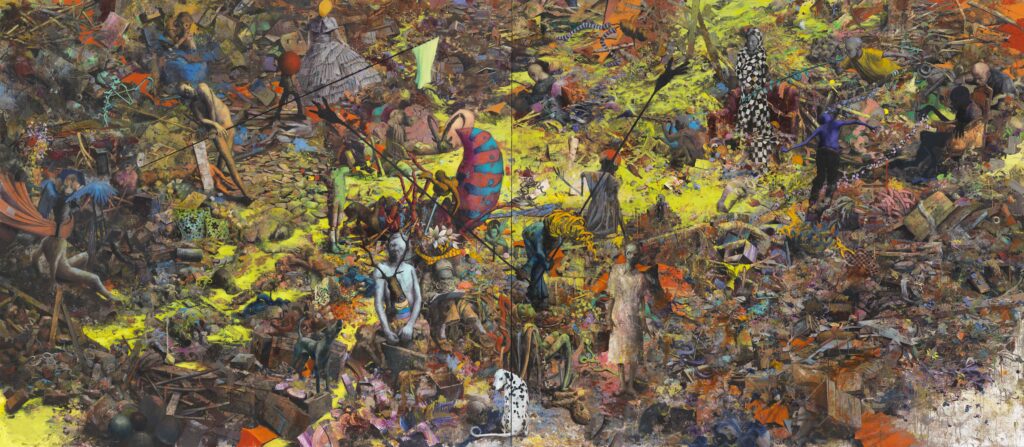
JONAS BURGERT
Stück Hirn Blind (2014–15)
In mid-career, the Berlin-based Burgert must count among Europe’s most virtuoso draftsmen in paint. He deserves to be better known in the United States. Superficially reminiscent of the panoramas of Bosch and Bruegel, Burgert’s imaginative work thrives, so to speak, in the long shadow of Auschwitz. Do not, though, look for historical or political meanings. Do behold a wondrous, phosphorescent universe of devastation, endless metamorphosis, and enigma.
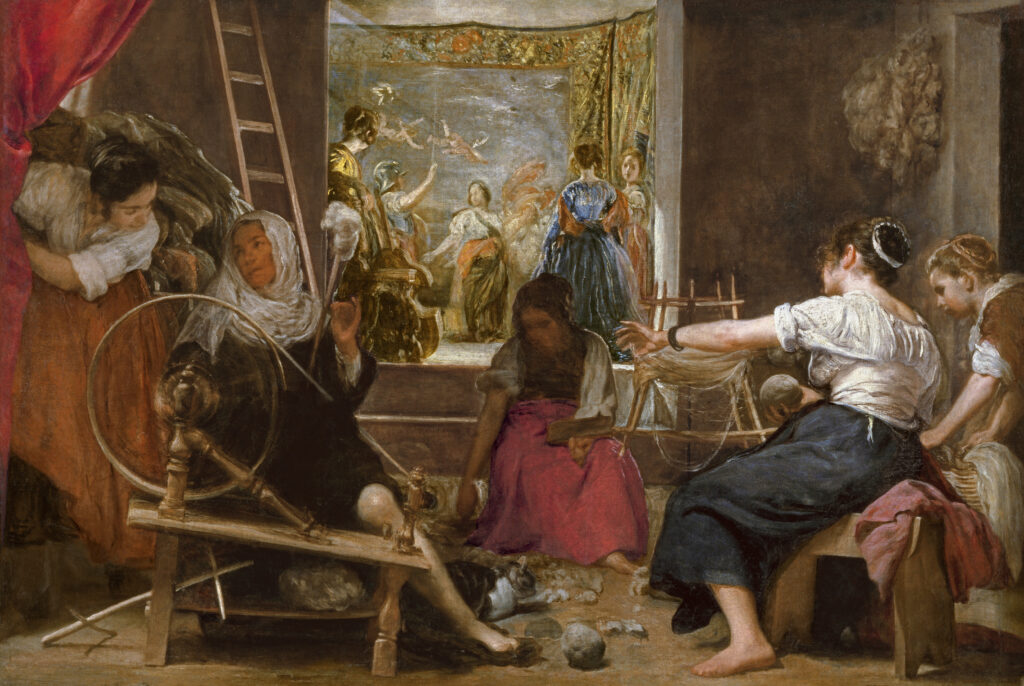
DIEGO VELÁZQUEZ
The Spinners, or The Fable of Arachne (ca. 1657)
In a century that produced amazing pictorial wizardry, Velázquez subtly excelled. Under scrutiny, his brushwork seems economical. From the right distance, it becomes a miracle of fleet illusion. Here, two worlds coexist. A workaday foreground segues to the silvery mythic background, which includes a Titian figured as a tapestry. The layerings are endless.
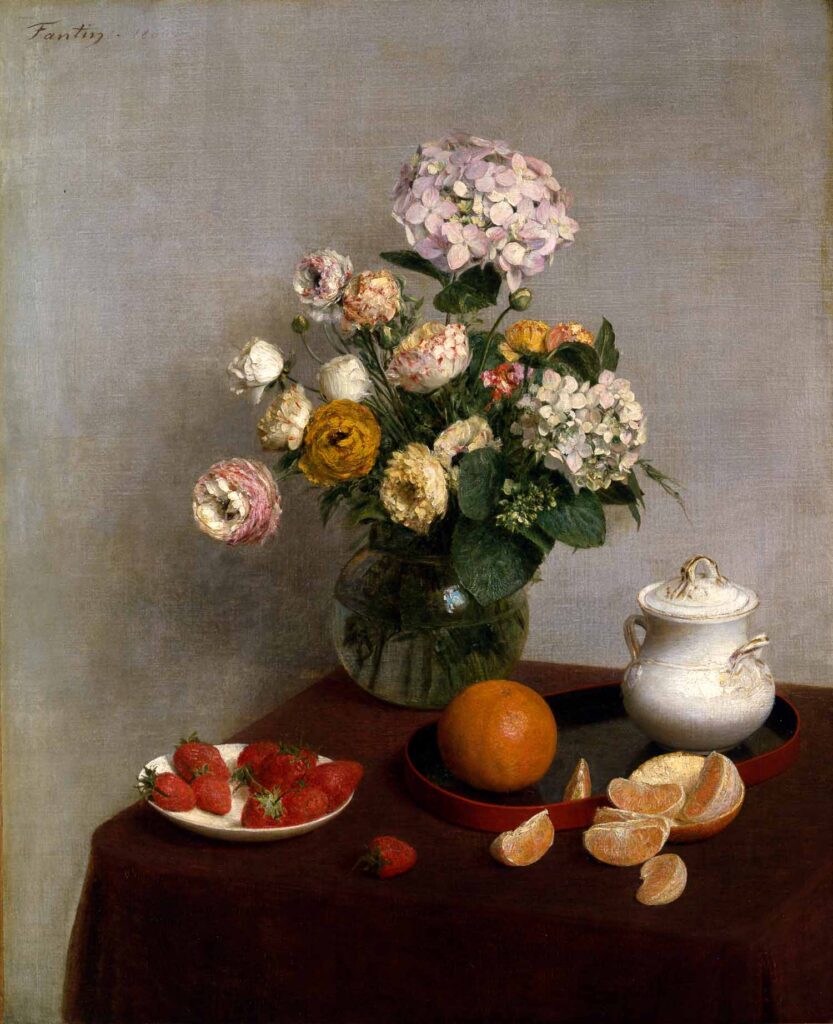
HENRI FANTIN-LATOUR
Flowers and Fruit (1866)
Many masterworks hit us immediately. Some by “quiet” artists, often occupying
the sidelines, gradually seduce. For me, Fantin-Latour epitomizes the latter type. He rubbed shoulders with realism, impressionism, and symbolism, yet ultimately belonged to none. The still lifes are the real deal. Just a supreme coolness with flashes of passionate color. The ravishing beauty lies in the
apparent modesty.
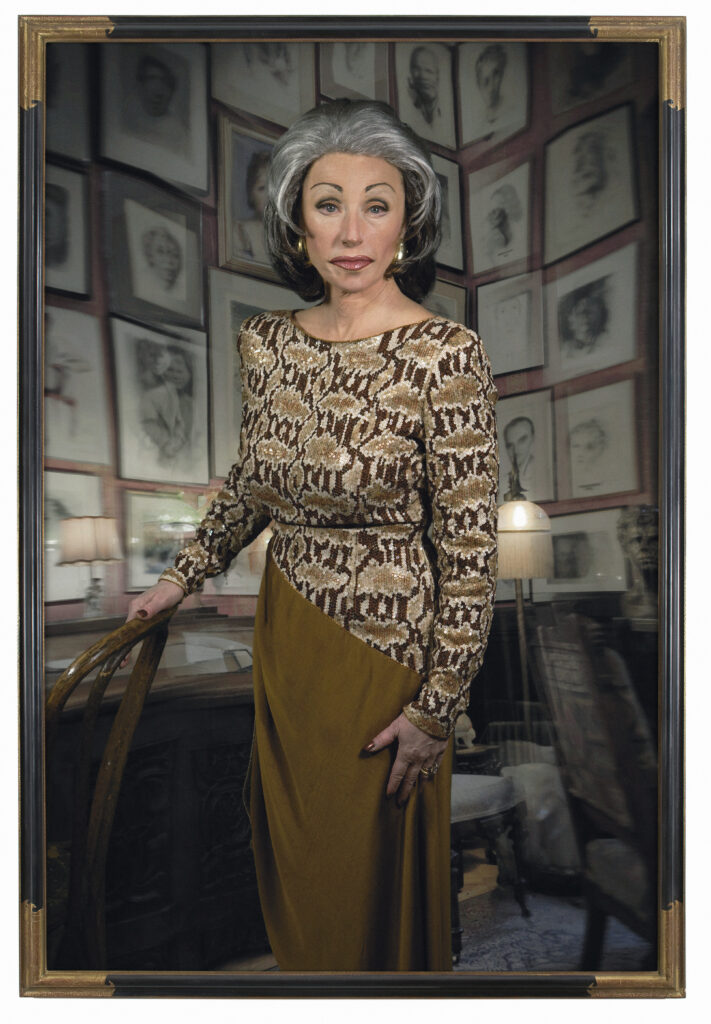
CINDY SHERMAN
Untitled #474 (2008)
Whether referencing art history, Hollywood, or everyday characters,
Sherman is our contemporary Morpheus, shape-shifting a myriad of times into ever new guises and situations. Except, unlike the classical god, she never lulls us to sleep. Instead, her photographic critiques of identity, society, gender, reality, and artifice confront us outright. By turns,
they manage to intrigue, interrogate, shock and, yes, make me laugh my
head off—as does this Upper East Side matron, captured to the smallest detail.
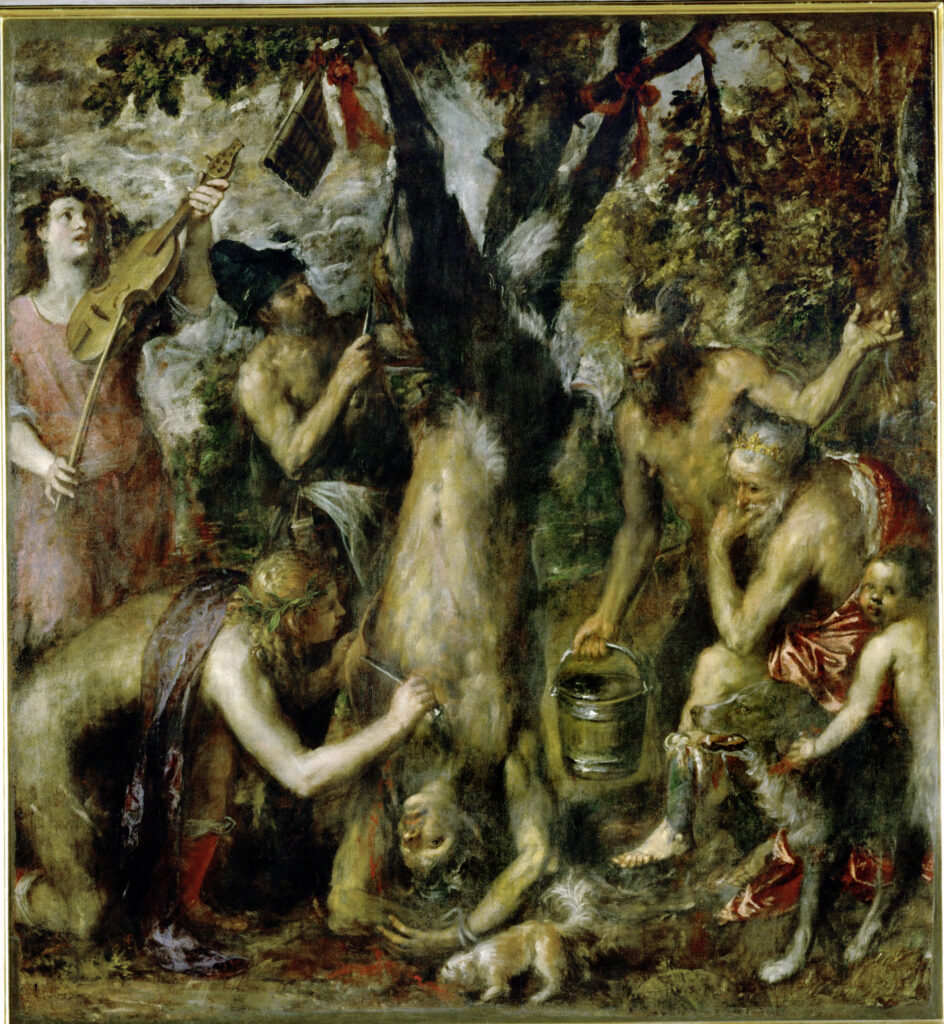
TITIAN
The Flaying of Marsyas (1570–75)
Despite its fame, this testament must nevertheless be here, not least because I have seen it in diverse places: Washington, DC, New York, London, Madrid, and the Archbishop’s Palace in Kromˇerˇíž. A scene of horror—the satyr being flayed alive, a little dog (usually symbolizing tender fidelity) lapping the blood, and another demonic satyr with a water bucket to prolong the agony. Every square inch of the late Titian’s painterly tale pulsates with life and death. Existentialism for the Renaissance.
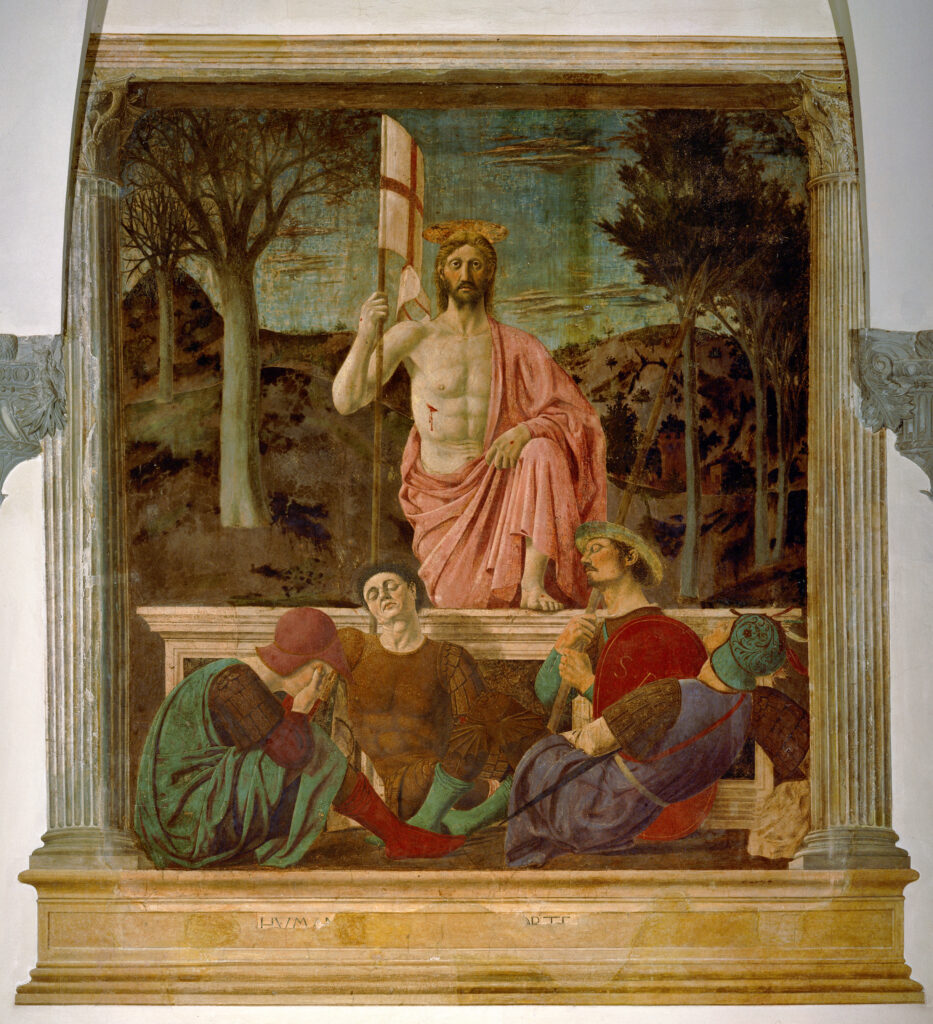
PIERO DELLA FRANCESCA
Resurrection (ca. 1460)
An old postcard reminds me that I saw this fresco, after a substantial lunch, only once around a quarter century ago. Yet that “once” lasts a lifetime. With the almost frightening fixity of a Byzantine Christ in Majesty, he rises above fallen humanity—the earthly and divine levels have, unusually, different vanishing points—and with a gaze that, as it were, will never blink.
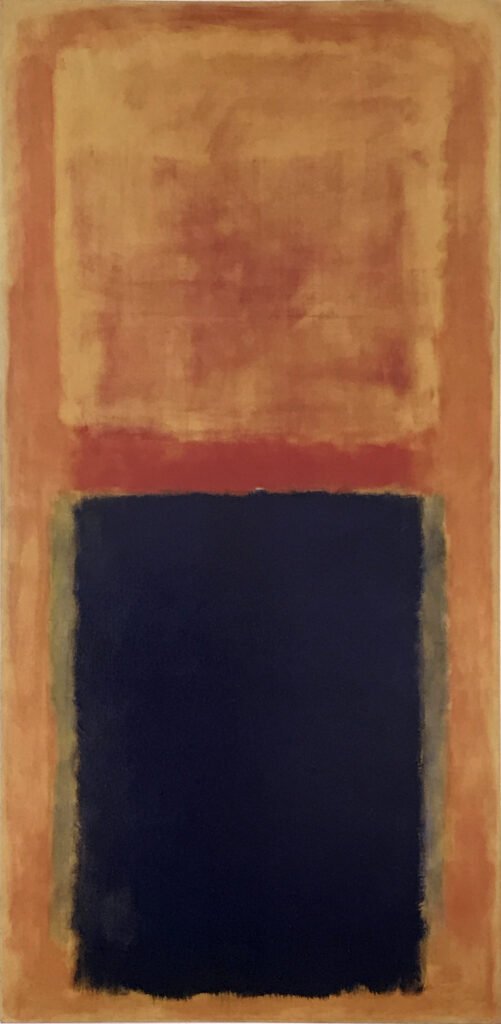
MARK ROTHKO
Homage to Matisse (1954)
How could I omit Mark? In 1990, I encountered this rarely seen canvas in the gritty ambience of a huge warehouse on the Chelsea waterfront (as it was then). Matisse died on November 3, so it is an elegy dating from very late 1954. Soon after, Rothko’s style began to change, growing darker and more dense. The watershed timing, the title, the utter sureness of touch, and the blazing antiphony of old gold against inky blueness mark a unique summit.