Light On
Bending space and time with James Turrell on the eve of a new Colorado Skyspace
BY Leigh Arnold
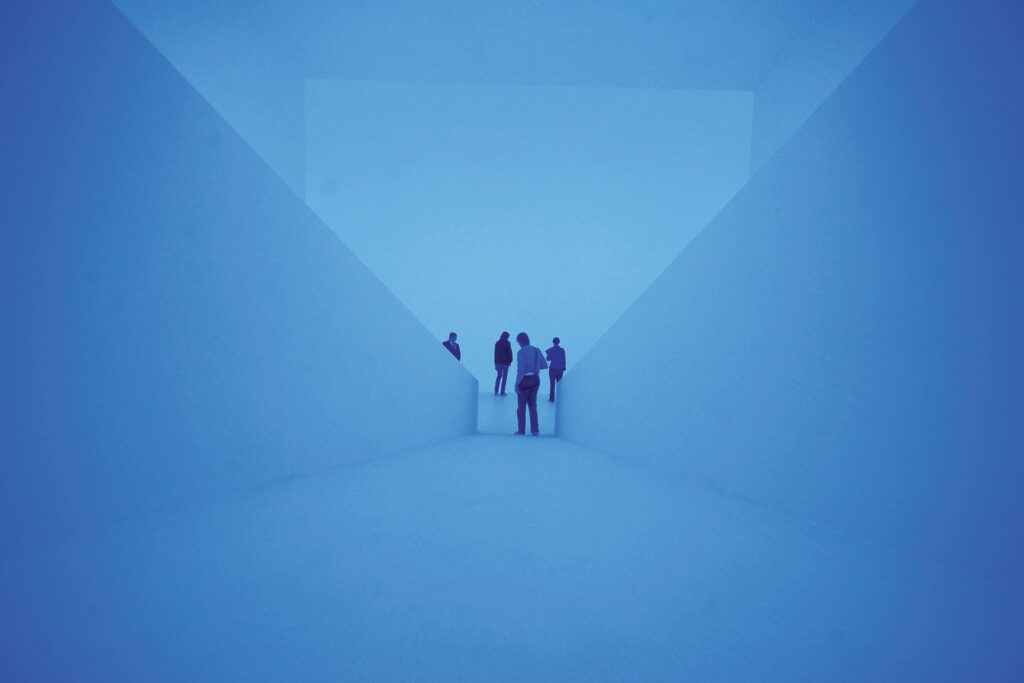
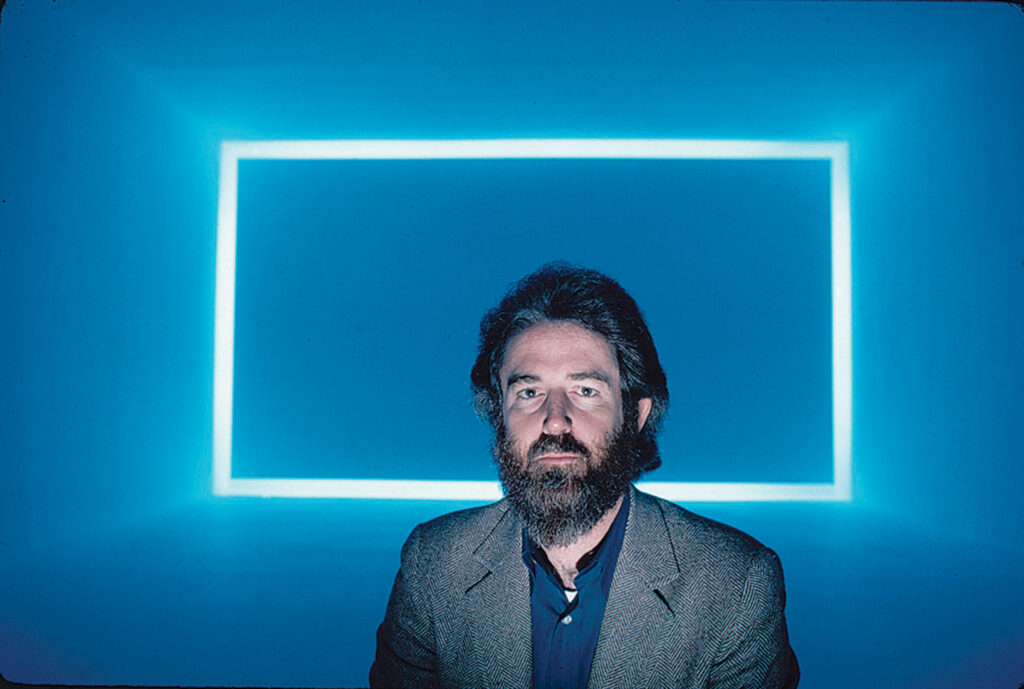
FOR MILLENNIA, humankind has looked up to the sky in fascination. Ancient civilizations built pyramids and stone observatories to track astronomical events, combining architecture, sculpture, and light to reveal celestial patterns and bring the cosmos down to earth. More recent architects of the Gothic period raised the ceilings of cathedrals higher and higher in their efforts to touch the heavens and fill their houses of worship with divine light. James Turrell continues this primordial interest in the spiritual and sublime qualities of light. A proponent of the Light and Space movement, he has spent his career shaping light through architectural and sculptural interventions that challenge the limits of human perception and bring the sky to our terrestrial space.
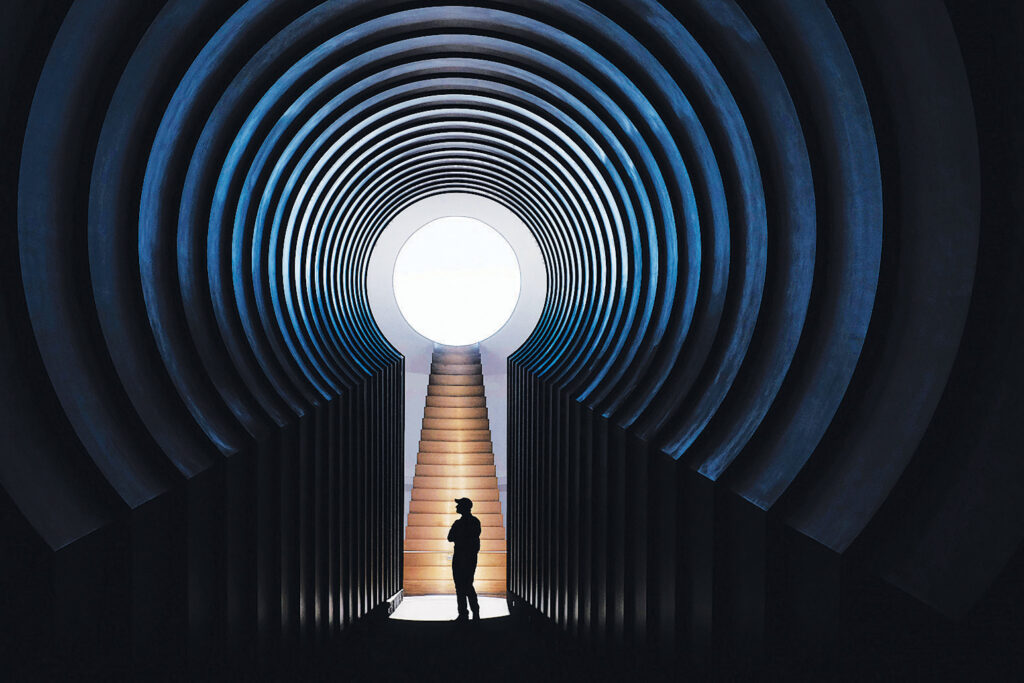
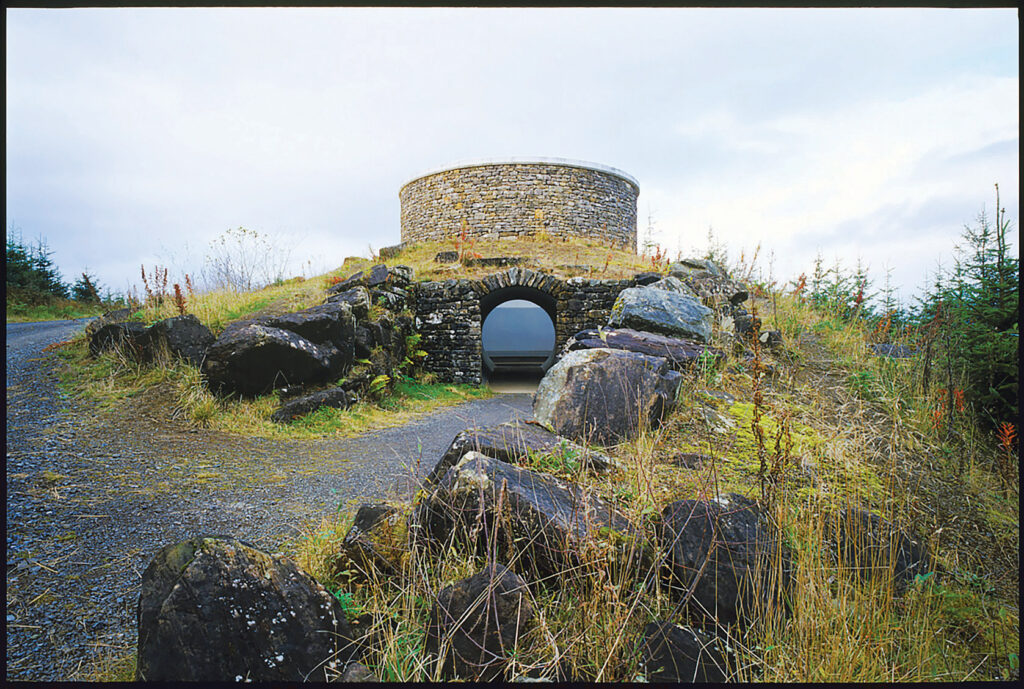
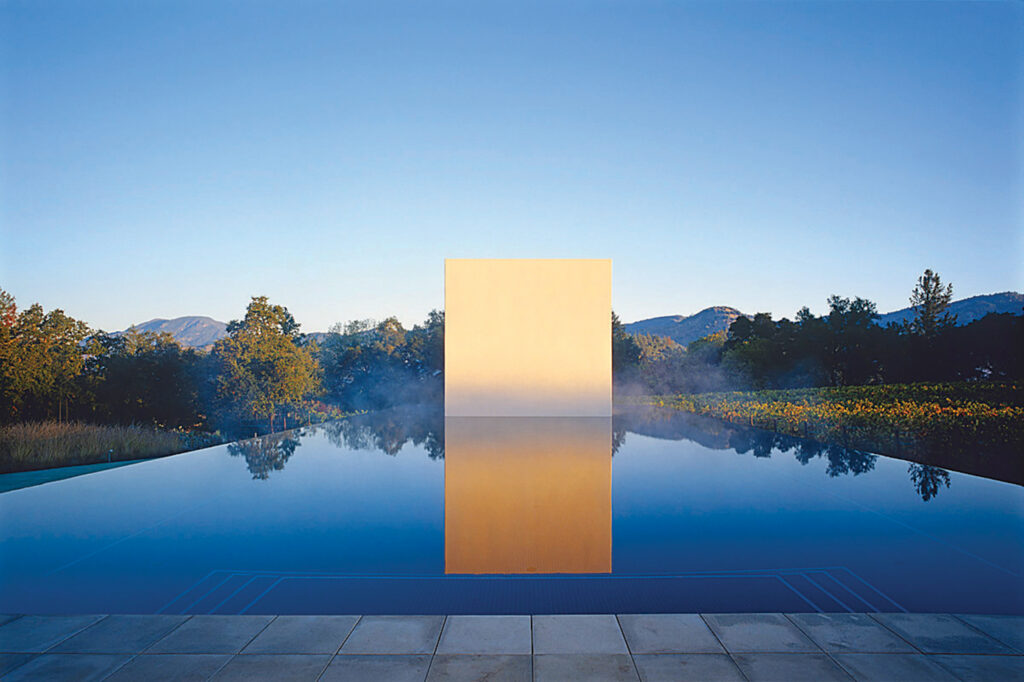
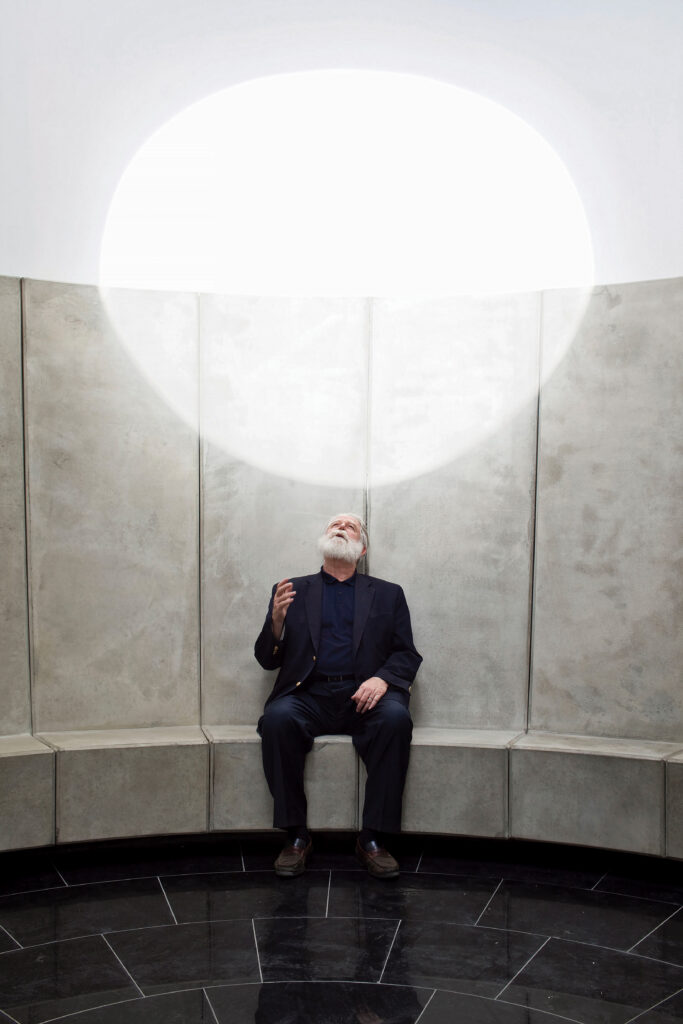
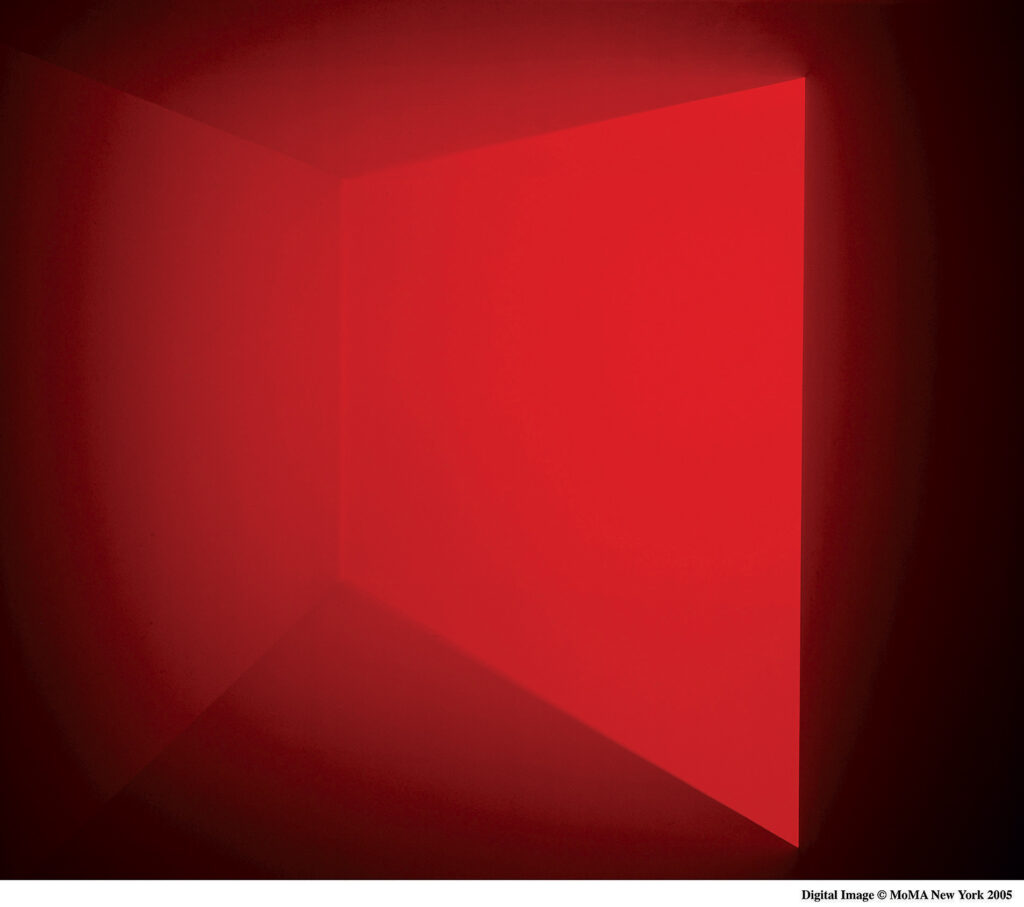
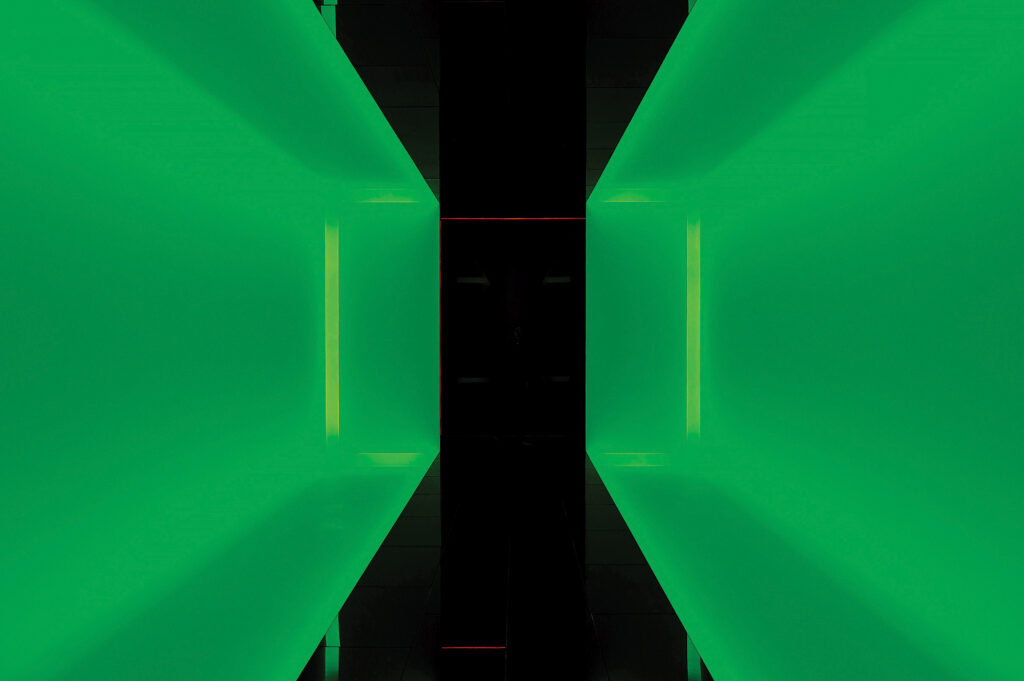
Over the past five decades, Turrell has expanded his art-making into twenty-two typologies, or series, spanning a variety of forms and ranging in scale from the monumental to the intimate. He is perhaps best known for his Skyspace series—constructed chambers each with a carefully cut and perfectly sharp rectilinear or elliptical aperture in the ceiling. These works can be singular constructions, built to the artist’s specifications, or made within existing spaces modified by Turrell, often combining natural light with carefully modulated artificial light that together heighten perceptions of even the most minute changes in the atmosphere. An experience in a Skyspace is unique to that moment in time, as each is responsive to and interacting with environmental conditions and atmospheric fluctuations. Quiet and contemplative, Turrell’s Skyspaces are portals to the sky and provide the sensation of being one with the universe.
Turrell’s largest Skyspace is also his longest running and most ambitious project. Begun in 1977, Roden Crater is a massive earthwork constructed within the eponymous volcanic cinder cone in the Painted Desert region of northern Arizona. Turrell has transformed the extinct volcano into a monumental, naked-eye observatory through a series of tunnels and apertures carved into the earth and opening to skies that—at an elevation of more than 5,000 feet—seem close enough to touch. The work is a masterpiece combining physical sciences with art and architecture. Built to last for hundreds of years to come, Roden Crater joins the permanence of geologic time with the ethereality of light and finds its place among the great monuments of civilization. Construction of the observatory continues, during which time it is closed to the public, however the basic principles of Roden Crater are present in each of his works to date. The artist’s legacy goes beyond his physical artworks—Turrell has changed the way we look at the sky and allowed us to view the world with renewed awe and wonderment.
Dr. Arnold is the assistant curator at the Nasher Sculpture Center in Dallas, Texas.
Skyspaces in the United States
Title To Be Determined (2021) Red Butte, Green Mountain Falls, Colorado
C.A.V.U. (2021) Massachusetts Museum of Contemporary Art, North Adams, Massachusetts
The Color Inside (2013) University of Texas at Austin
Greet the Light (2013) Chestnut Hill Meeting House, Philadelphia, Pennsylvania
La Brea Sky (2013) Kayne Griffin Corcoran Gallery, Los Angeles, California
Twilight Epiphany (2012) Rice University, Houston, Texas
Air Apparent (2012) Arizona State University, Tempe
Joseph’s Coat (2011) The John & Mable Ringling Museum of Art, Sarasota, Florida
The Way of Color (2009) Crystal Bridges Museum of American Art, Bentonville, Arkansas
Dividing the Light (2007) Benton Museum of Art, Pomona College, Claremont, California
Hard Scrabble Sky (2005) University of Illinois at Chicago
Sky Pesher (2005) Walker Art Center, Minneapolis, Minnesota
Three Gems (2005) de Young Museum, San Francisco, California
Light Reign (2003) Henry Art Gallery, University of Washington, Seattle
Knight Rise (2001) Scottsdale Museum of Contemporary Art, Arizona
One Accord (2001) Live Oak Friends Meeting House, Houston, Texas
Blue Pesher (1999) Cheekwood Estate and Gardens, Nashville, Tennessee
Meeting (1980) MoMA PS1, New York, New York
Open to the public.
Lightning in a Bottle
James Turrell is a visual artist who has incorporated light and space in his work for more than fifty years. Born May 6, 1943, in Los Angeles, California, Turrell is best known for his Skyspace installations, more than eighty around the world. Turrell is also a pilot with 12,000-plus hours in the sky. Turrell has received awards in architecture and art, including a Guggenheim Fellowship (1974), National Medal of Arts (2013), and Jefferson Medal in Architecture (2002).
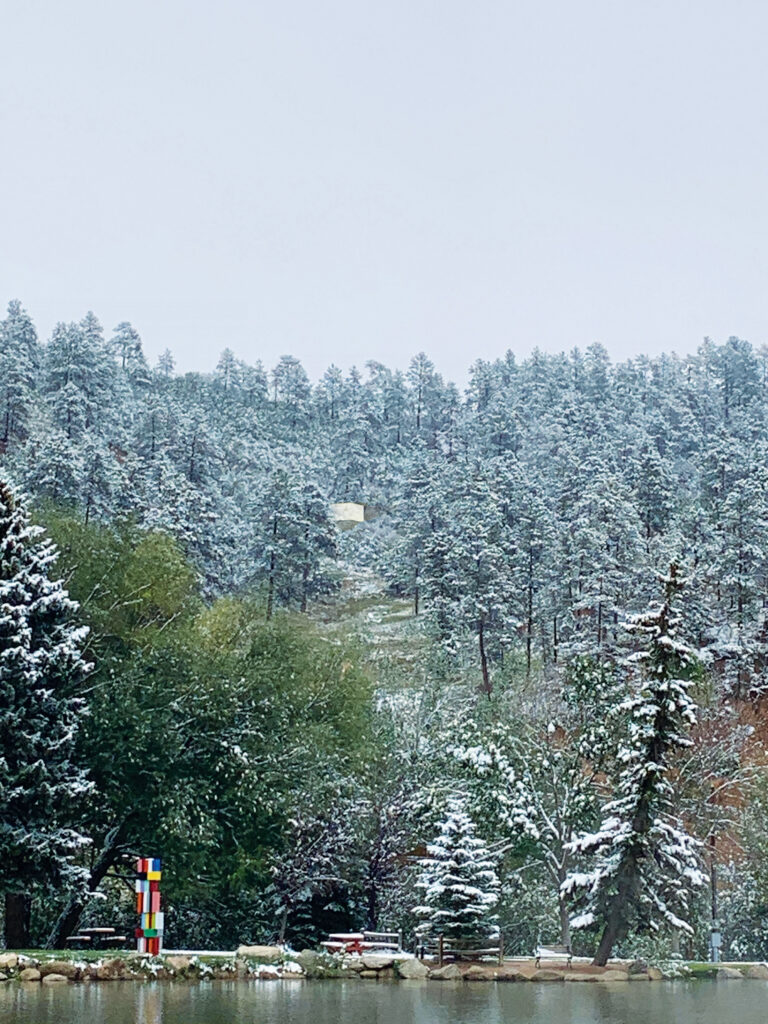
Construction for the first Skyspace in Colorado is underway in Green Mountain Falls. Tucked into a butte among an aspen grove, this Skyspace is also the first to be constructed on the side of a mountain. A new trail will guide visitors on an easy hike directly to the permanent installation. The piece is owned by the Historic Green Mountain Falls Foundation and will open in fall 2021. greenboxarts.org