What's Old is New Again
History House
After four years of restoration and expansion, the Frick Collection has reopened its Beaux-Arts doors on New York's Upper East Side.
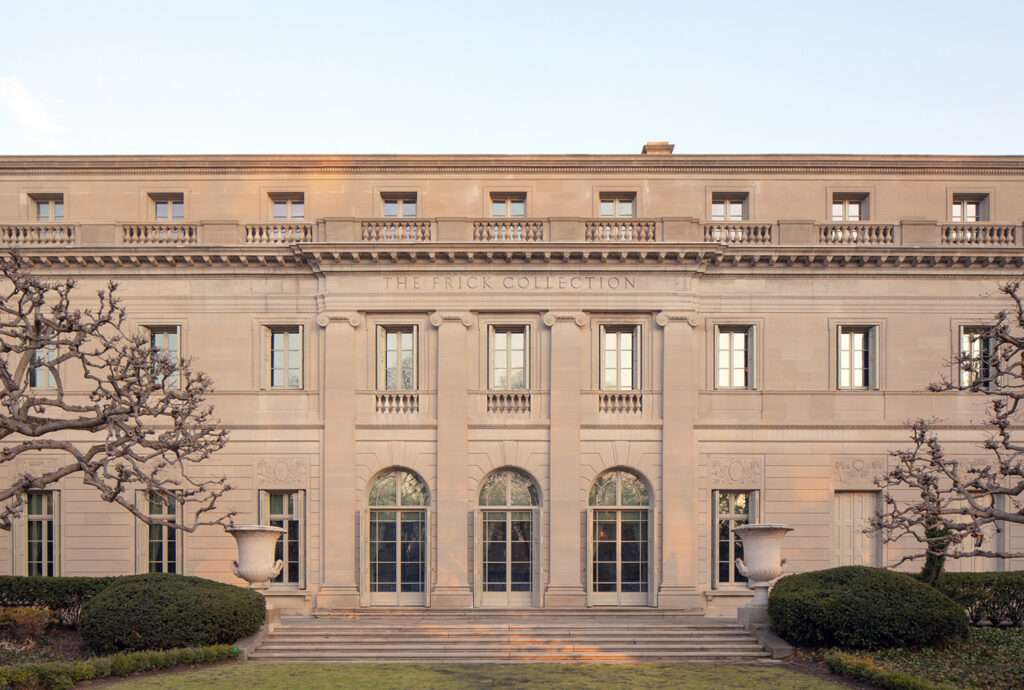
THE GRAND DAME of New York’s Upper East Side has reopened her Beaux-Arts doors to an adoring public. After four years of restoration and expansion, the Frick Collection has debuted what were once second-story family rooms as exhibition spaces; restored Old Masters to their first-floor glory; added an intimate subterranean auditorium, purpose-built education rooms, and conservation studios; and connected the museum to the Frick Art Research Library.
She’s back, baby, and she has opened with a splash.

The Frick revived its musical tradition with a festival of intimate concerts by emerging talent and esteemed international artists, who responded to the collection’s artwork and their own prior performances in the space.
The Frick celebrates its collection creatively in many ways. One prime example: its diptych series of books, pairing curators’ remarks on permanent holdings with responses from modern creators.
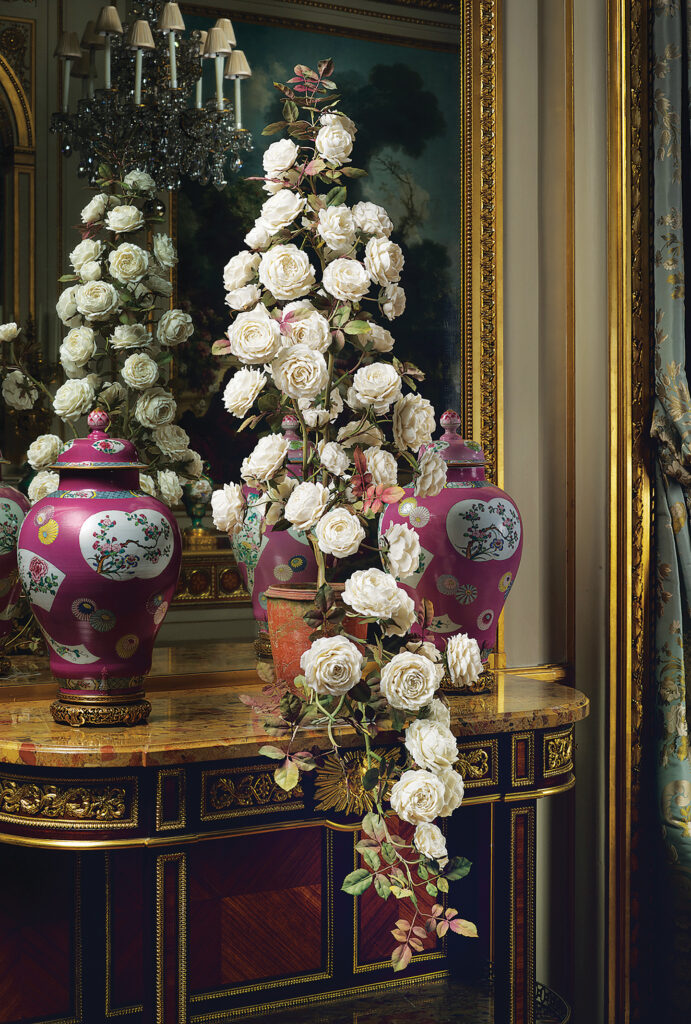
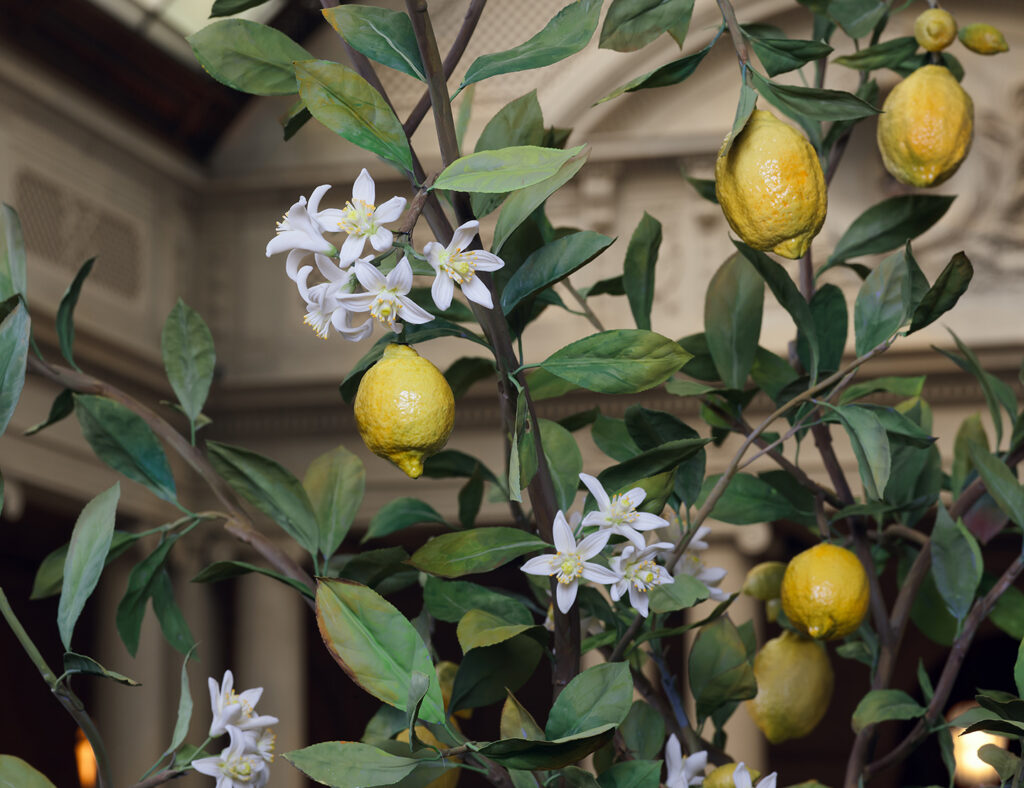
In this restoration, the Frick’s stewards not only went to such lengths as commissioning textiles from the same firms that made them more than a century ago; they also commissioned sculptor Vladimir Kanevsky to create porcelain bouquets to echo the fresh bouquets that filled the galleries when the museum first opened in 1935. Kanevsky’s work is breathtaking, and each piece suits its relationship to the Gilded Age interiors and the fine and decorative arts the Frick is known for.
The $330 million renovation—designed by Selldorf Architects with Beyer Blinder Belle Architects and Planners serving as executive architect—represents the first comprehensive upgrade in ninety years to the former home of industrialist and art collector Henry Clay Frick. It also gives visitors unprecedented access to the second-story family rooms, which have served as staff meeting rooms and administrative offices for decades.
The former living quarters highlight the personal collecting interests of Frick; his wife, Adelaide Childs; and their daughter, Helen Clay Frick. The new exhibition spaces have also made way for Frick holdings that are the most significant of their kind, some of which have not been regularly displayed in the past. These more recent donations and acquisitions include French faience, Viennese Du Paquier porcelain, rare portrait medals, and clocks and watches.
After reveling in the splendor of the Frick’s grand and intimate exhibit halls, visitors will soon be able to conclude their stay with a stop in the Frick’s new café. Additional views onto the 70th Street Garden from throughout the museum provide visitors a complete experience. The work on the garden restored landscape architect Russell Page’s 1977 vision.
Axel Rüger, who was named the Frick’s director in March, celebrated the Frick’s trajectory, saying, “We welcome visitors to rediscover the beauty, intimacy, and scholarship that have defined the Frick for nearly a century and that we hope will inspire generations of visitors to come.”
Christian Keesee is a member of the Frick Collection Board of Trustees. Currently on view, Porcelain Garden: Vladimir Kanevsky at the Frick Collection will be displayed through October 6, 2025.