The Future of the Ballet
THE OKLAHOMA CITY BALLET LOOKS TO THE PAST, PRESENT, AND FUTURE.
BY Michael Duty
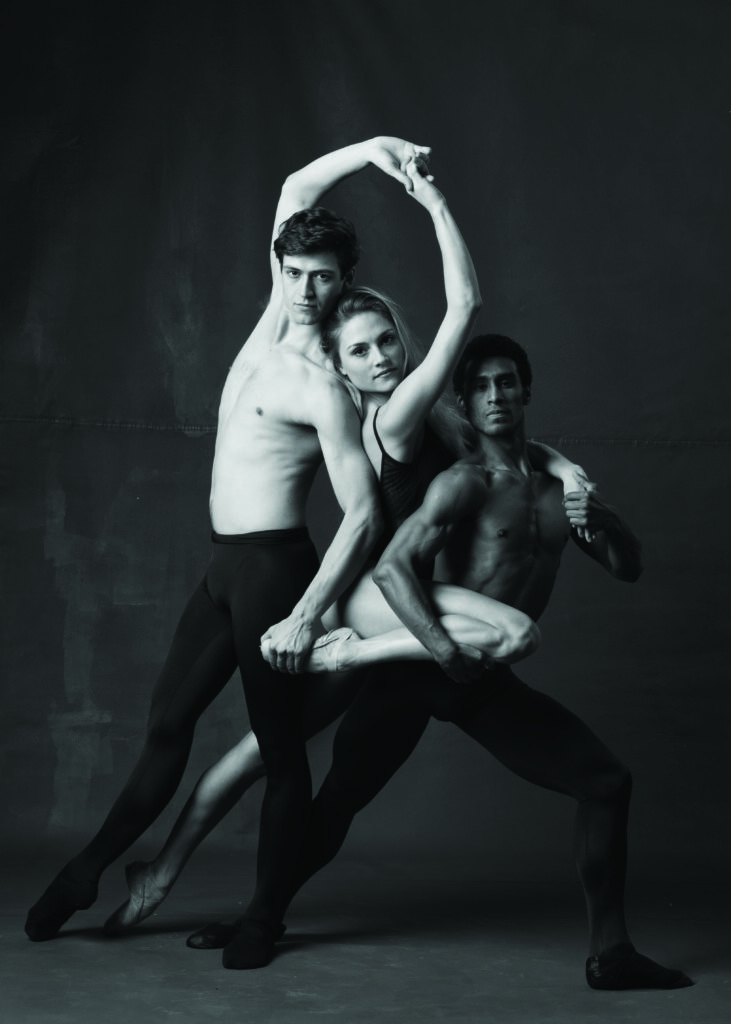
Endurance requires partnerships, and artistic institutions require business acumen. These two fundamental principles have successfully contributed to the cultural landscape and, specifically, ballet in Oklahoma. In 1963, husband-and-wife ballet duo Yvonne Chouteau and Miguel Terekhov joined forces with businessman John Kirkpatrick and his wife Eleanor to found the Oklahoma City Ballet, and this collaboration continues to shape the future of the company more than fifty years later.
Chouteau, one of the five globally recognized American Indian prima ballerinas from Oklahoma known as the “Five Moons,” was herself a powerful mix: raised in Vinita, Oklahoma, with a Shawnee-Cherokee heritage, she also claimed a rich French ancestry.
Chouteau, honored with the inaugural National Cultural Treasures Award in 2004, broadly established the importance of ballet in the Oklahoma City community, founding the University of Oklahoma School of Dance as well. Today, Oklahoma City Ballet board president Sally Nichols Starling says that a vibrant arts community is an essential part of Oklahoma City’s identity, and the history and future of the company encourages this. After all, she says, “how many other state capitols have a mural of five native prima ballerinas in their rotunda?”
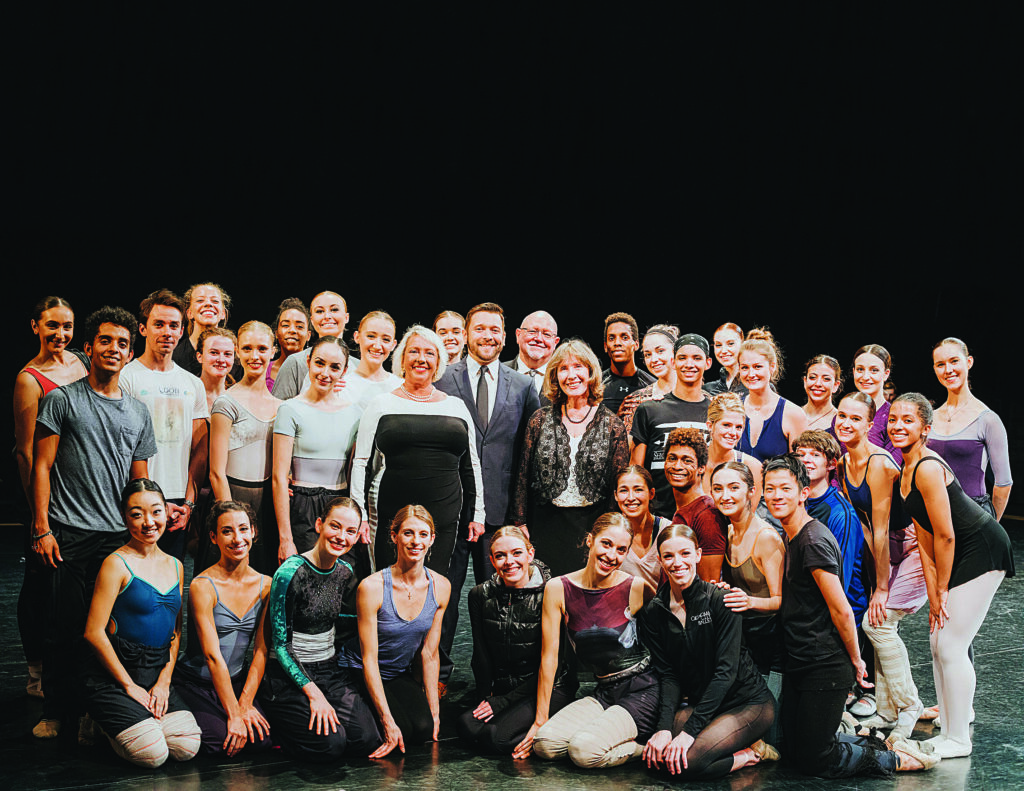
The ballet’s steady influence has been a collaboration between the creativity of its leadership, the company’s professional dancers, the city itself, and a committed board of trustees.

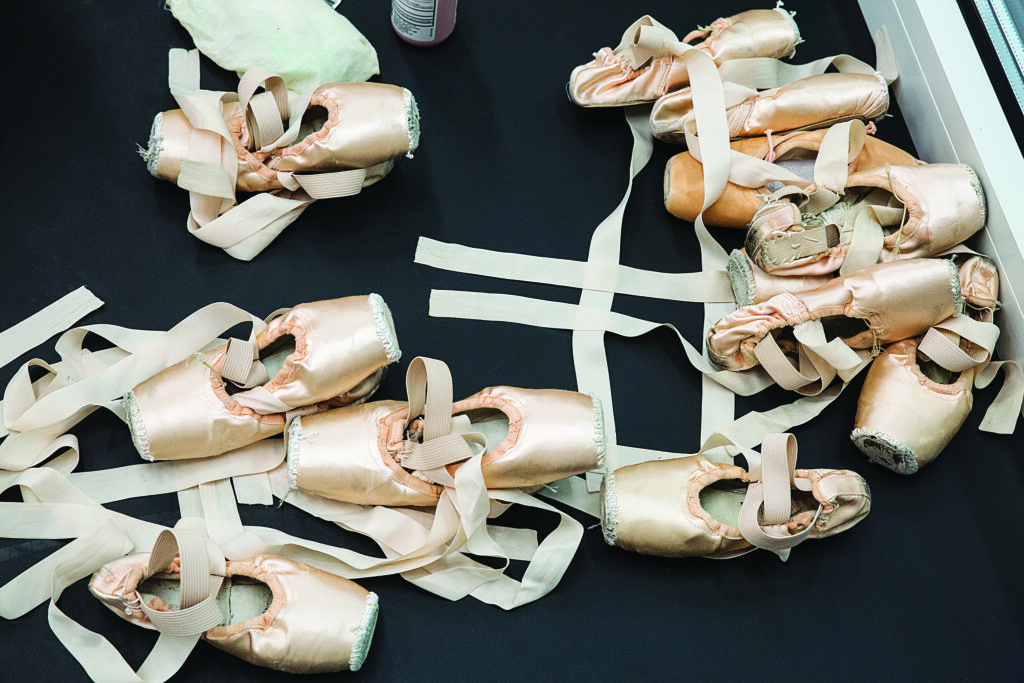
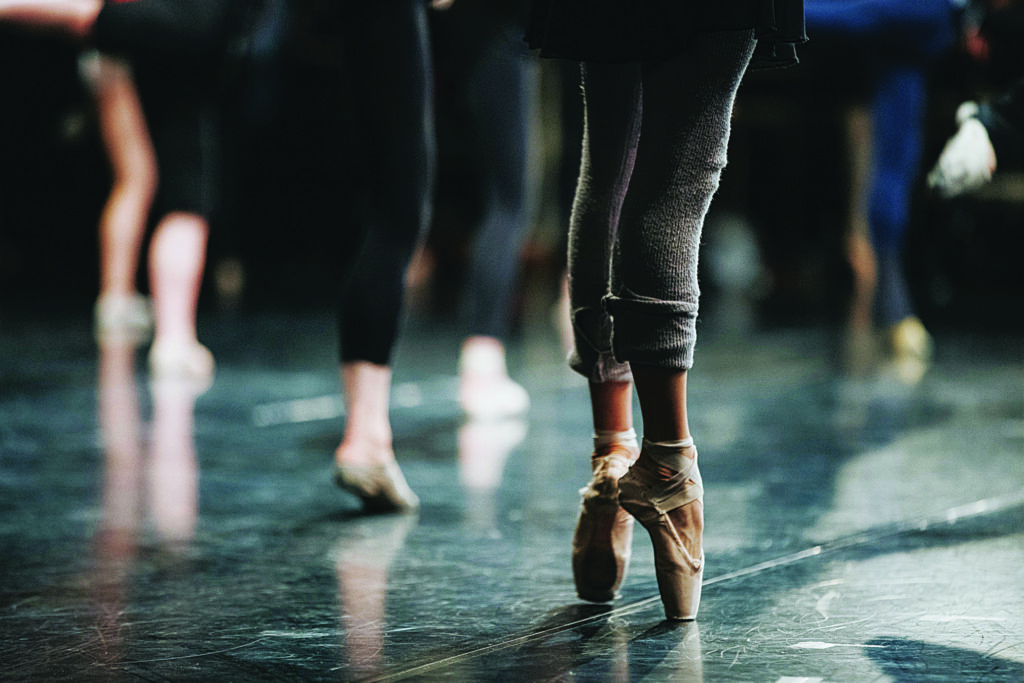
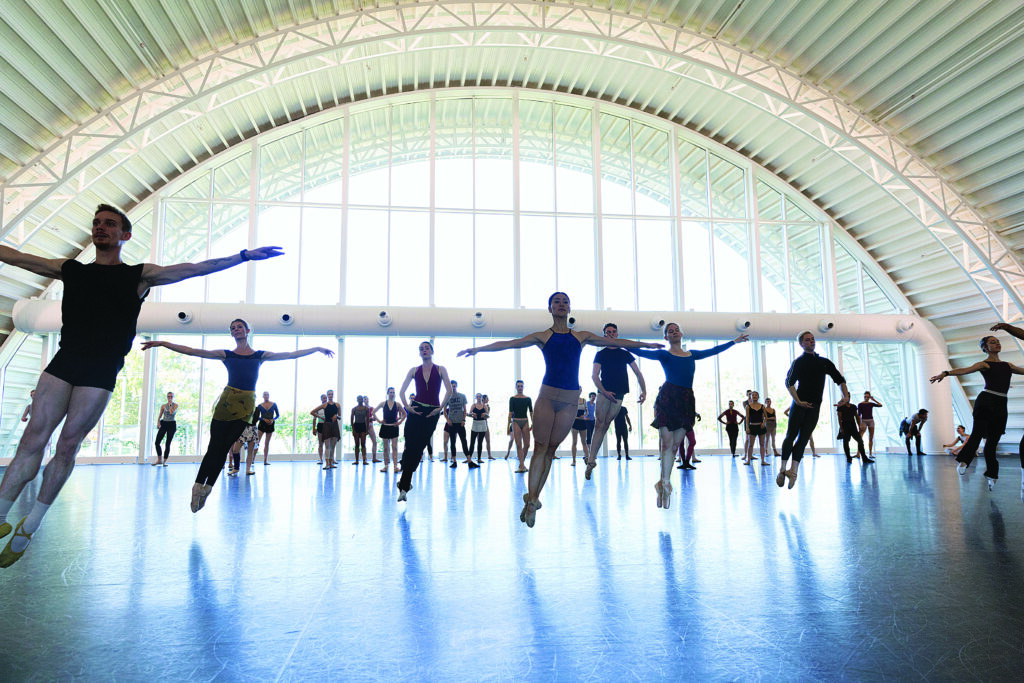
The acquisition and recent opening of the new dance center is a compelling testament to the board’s ability to work quickly to achieve success. The board had already been working toward a capital campaign to address building needs when the American Energy Partners fitness center became available in December 2016. After working through a period of high debt, Starling says, the board was determined to acquire the facility debt free but also knew they would need to act quickly.
It was a daunting task; acquiring the building would cost nearly $5 million, but the campaign got off to a quick start with a lead gift of $2 million from Susan E. Brackett. By mid-February, the paperwork had been signed, and the Oklahoma City Ballet would soon have a new home.
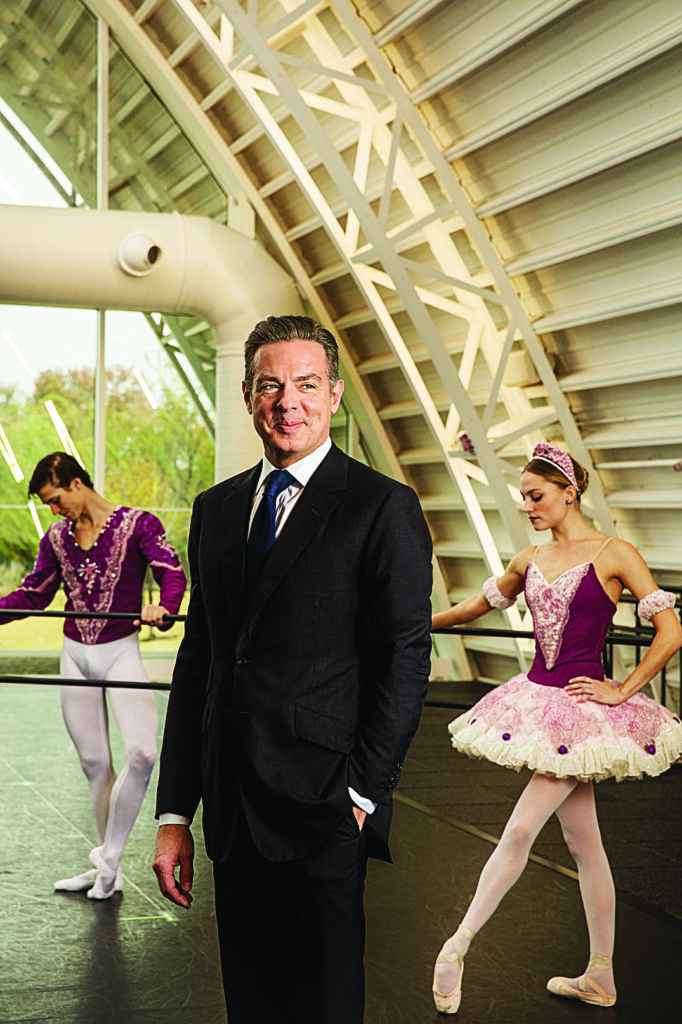
In the fall of 2017, a $2 million gift by the Kirkpatrick Philanthropies pushed the total funds raised thus far to more than $7 million. This particular gift re-energizes the momentum first set by Chouteau, Terekhov, and the Kirkpatrick family fifty-five years ago. Funded collaboratively by the Kirkpatrick Family Fund, the Kirkpatrick Foundation (publisher of ArtDesk), and the Christian Keesee Charitable Trust, the gift creates an endowment for the John Kirkpatrick Executive Director position. The gift also renames the ballet’s school after Yvonne Chouteau, who died in 2016.

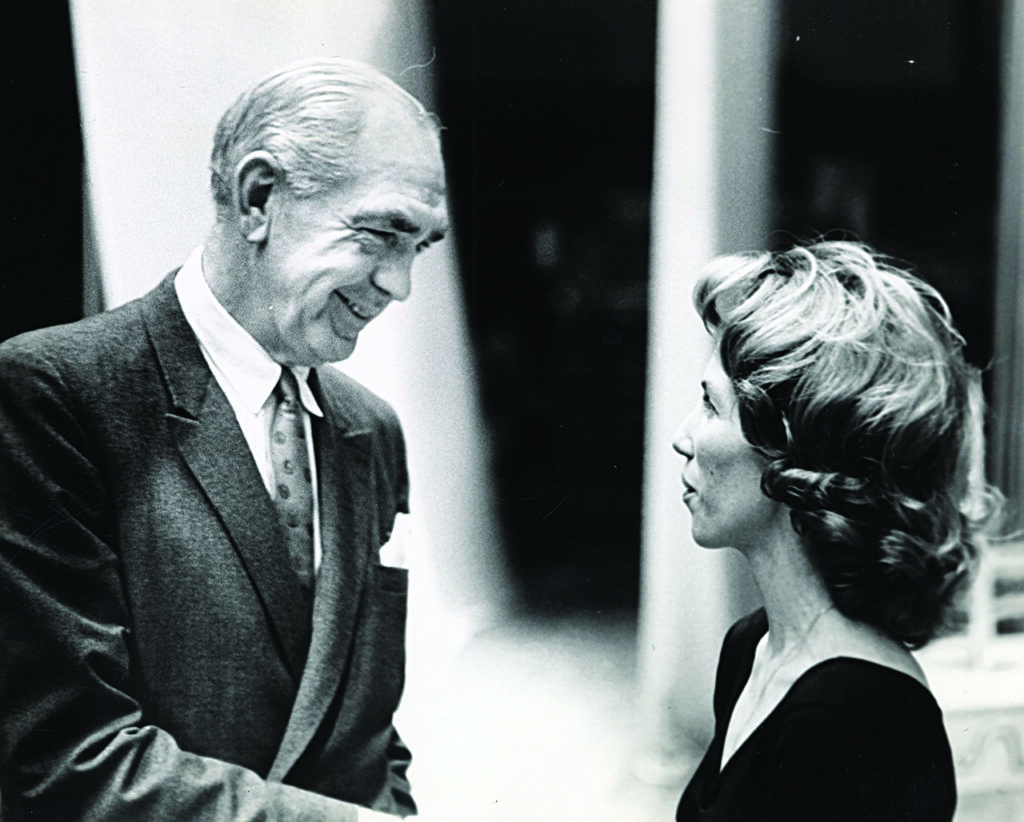
The ballet is an organization my grandfather cared for immensely.
“The ballet is an organization my grandfather cared for immensely,” says Christian Keesee, president of the Kirkpatrick Family Fund and grandson of the Kirkpatricks. “To pay tribute to his work by naming the directorship after him—and the school after his dear friend Yvonne—is a fitting way to bring the ballet forward.”
This is just act one in a comprehensive capital campaign that has been dubbed the Turning Pointe, co-chaired by Starling and her father, Larry Nichols. The campaign is divided into three acts: the first was the acquisition of the dance center; act two is completing renovations to the building and creating an operating endowment. Act three will be devoted to funding a new black box theater within the center where the company can stage productions that are smaller and more intimate than those at the Civic Center Music Hall in downtown Oklahoma City.
An illustrious past notwithstanding, the company faced an uncertain but transformative period nearly ten years ago. In a nutshell, as artistic director Robert Mills describes it, “sometimes sheer human perseverance takes over everything, especially when that perseverance is directed toward not failing.” The company was in turmoil, and, as he recalls, failure was simply not an option. “The board considered three options,” Mills says. “Merging with the Tulsa Ballet, shutting the company down, or moving forward with a three-year plan.”
Fortunately for all concerned, they chose the latter. The vision in 2008 was a bold one, especially for a company that was deeply in debt, but it was a vision that was born out of Mills’ experience dancing in regional ballet companies and his tenure guiding a dance company in Colorado.
“Most people expected us to fail,” he says. “Most of the city did not believe that we could turn things
around. But we did.”
The board officially appointed Mills as Oklahoma City Ballet’s artistic director beginning with the 2009–10 season. Current board president Sally Nichols Starling credits new leadership and the steady philanthropy of key partners with much of the success the company has achieved, saying, “The product on the stage has been exceptional.”
By combining classics, such as Swan Lake, with works by leading contemporary choreographers such as Jiří Kylián and Helen Pickett in a single season, the Oklahoma City Ballet is intent on building a new audience instead of simply winning back past ticket holders. The 2017–18 season concludes in April with a triple bill of contemporary works, including one that Mills created as part of his recent participation in the National Choreographers Initiative, an intensive three-week workshop in southern California that selects only four choreographers each year.
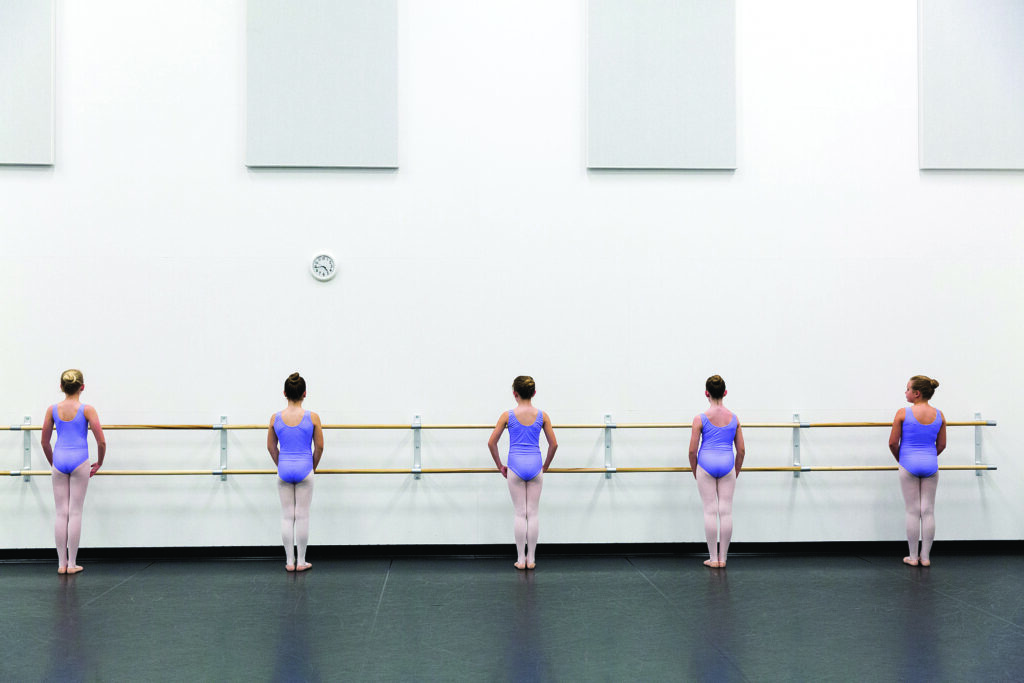
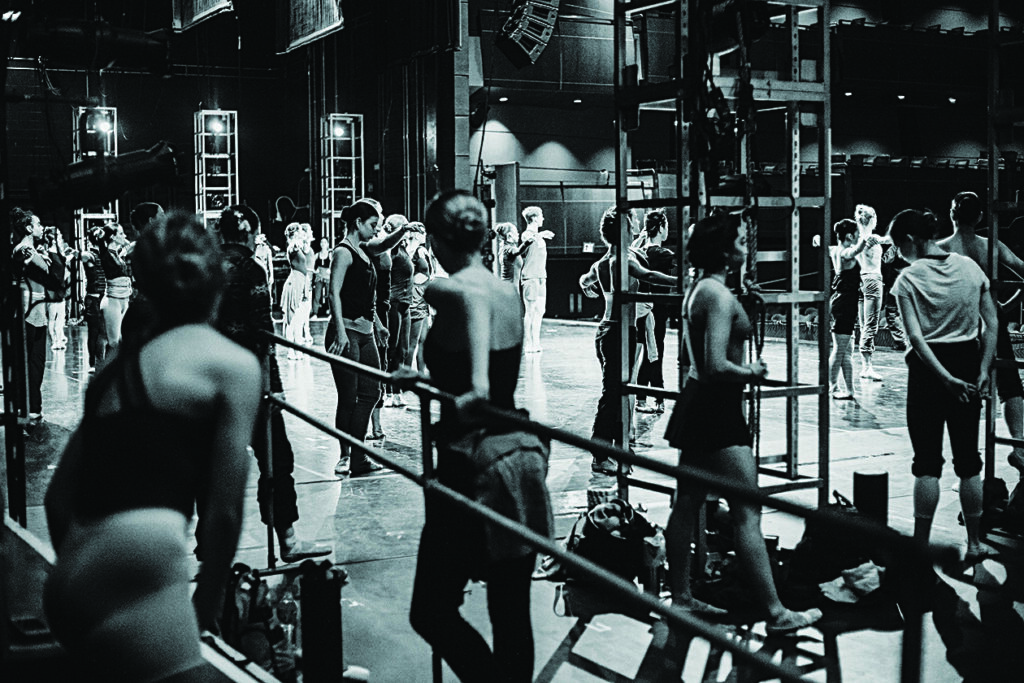
The progress made by the Oklahoma City Ballet is impressive. Season performances have doubled, the operating budget has tripled, and the Summer Intensive—an annual program started in 2009—draws hundreds of aspiring dancers from across the country. The company’s classes and outreach programs serve more than 5,000 people annually, and the new Susan E. Brackett Dance Center expands the company’s home from 8,000 square feet to 29,000 square feet. In 2015, Pointe, a leading ballet industry publication, profiled the company’s resurrection and transformation,writing, “Some might call it bravado. Others would say fightin’ spirit.”
Most of the city did not believe that we could turn things around. But we did. —ROBERT MILLS
The continued support of key community members and a growing recognition of the dance community creates an environment in which the Oklahoma City Ballet can flourish. Although the Turning Pointe is an expansion into the future, the ballet’s campaign also thoughtfully keeps John Kirkpatrick and Yvonne Chouteau’s legacy at the forefront—a continuation of cultural history that feeds the momentum of the Oklahoma City Ballet.
Two productions remain in the 2017–18 season: The Little Mermaid / February 16–18, 2018 and Petite Mort: A Triple Bill / April 13–15, 2018. Visit okcballet.org to purchase tickets.