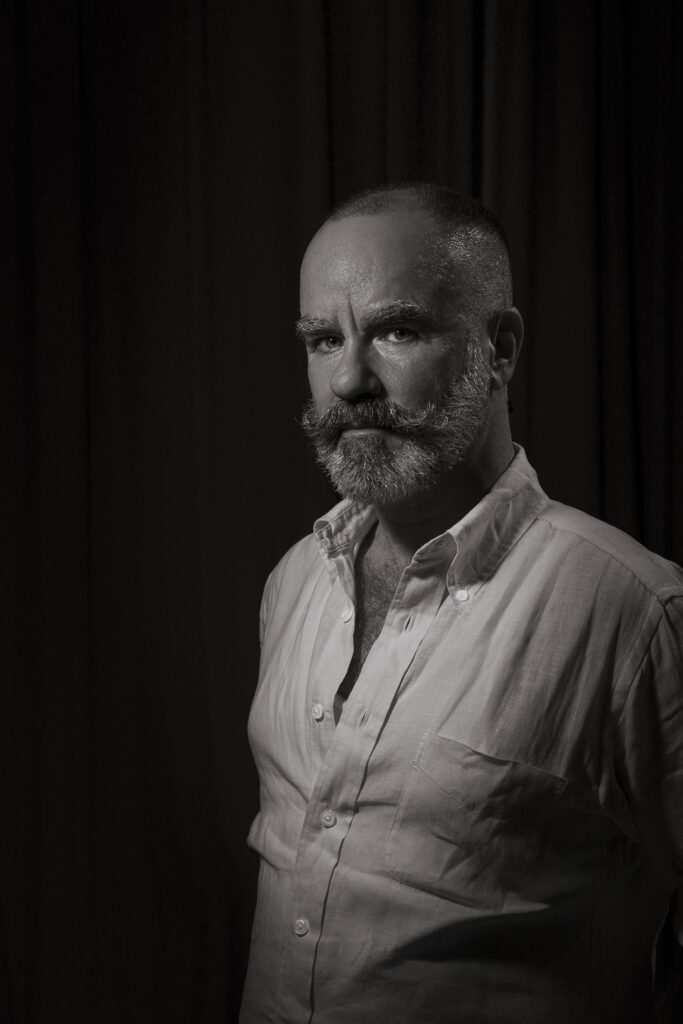
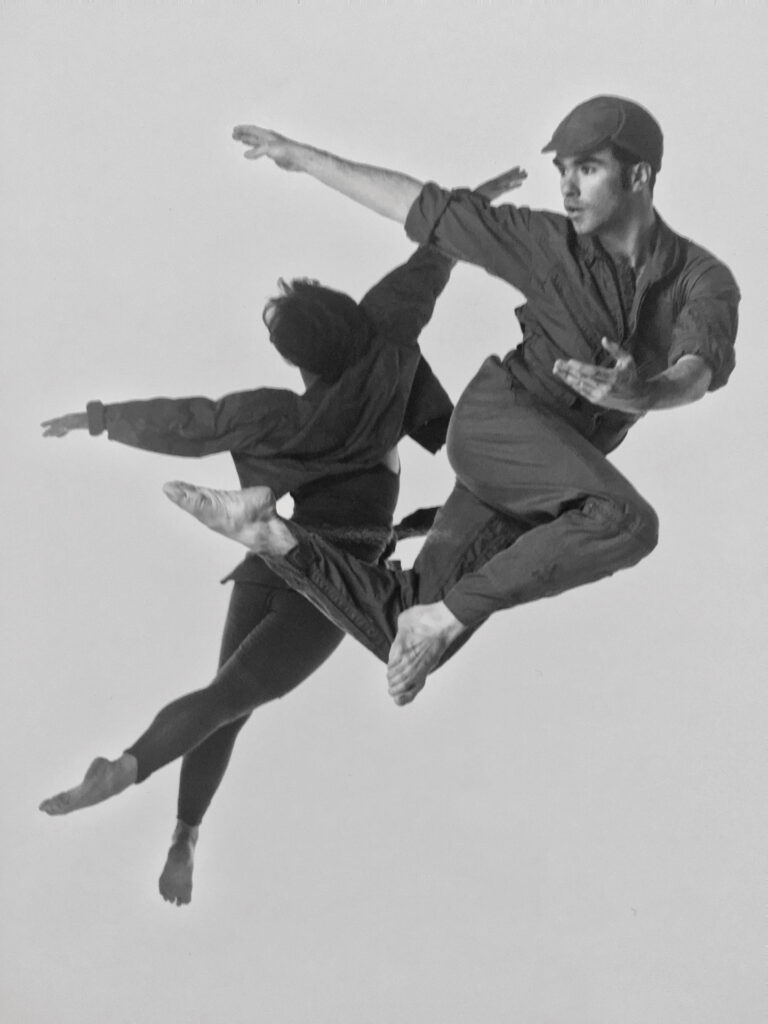
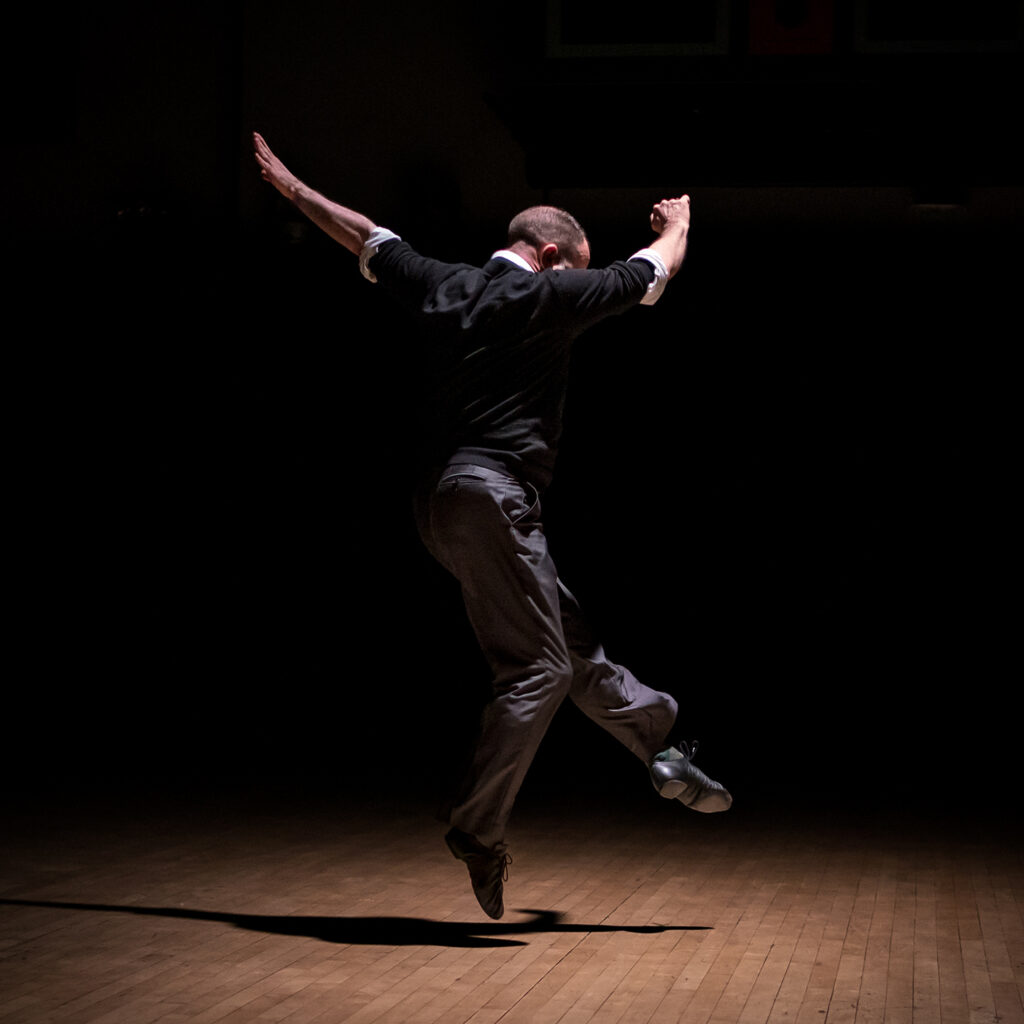
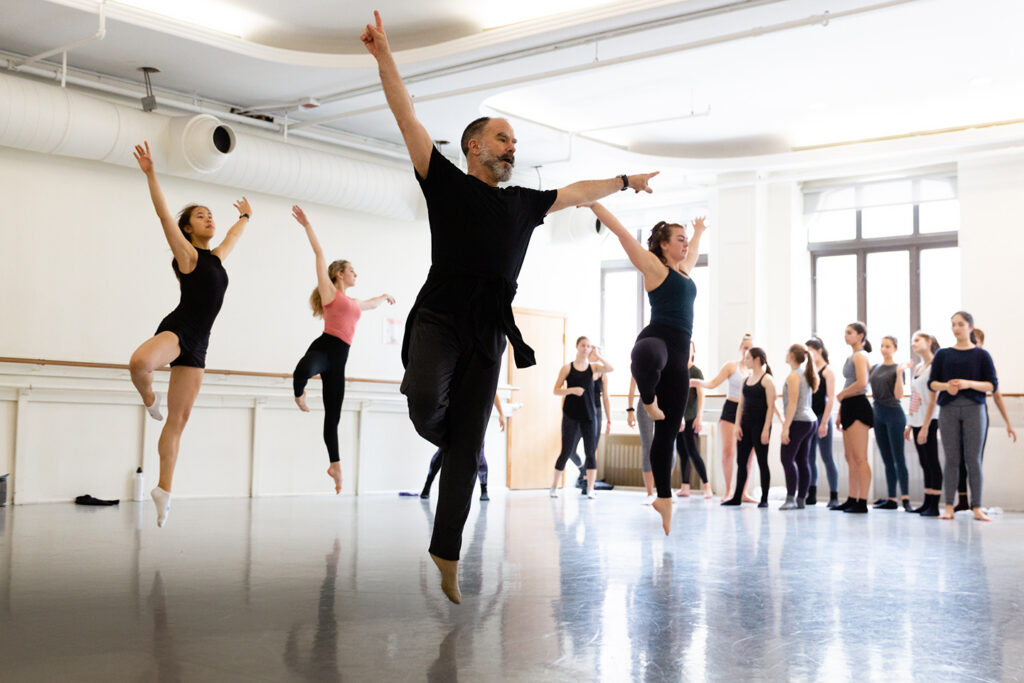
OVER THE LAST two decades, movement and physical expression have become more prominent as the vehicle for advancing narrative in opera, thanks in no small part to Seán Curran. His specialty act is coaching artists in human behavior for the stage.
“I love working with non-dancers,” Curran says. “I teach them how to inhabit their bodies.”
Formerly of Bill T. Jones/Arnie Zane Company and an original cast member of STOMP, Curran is largely responsible for enlivening the role of movement in the opera industry. A tenured professor at NYU and choreographer and director of his own eponymous concert dance company, Curran excels in coaching artists in dance routines and human behavior for the stage, or what James Robinson of Opera Theatre of St. Louis calls “Curranography.”
“It’s no longer park and bark!” says Robert Ainsley, artistic and general director of the Glimmerglass Festival, an annual summer-long celebration of opera and musical theater based in Cooperstown, New York.
In 2024, Curran’s work will include directing remounts of his widely lauded production of The Pirates of Penzance at Opera San Antonio and the Glimmerglass Festival, and choreographing La Bohème, Julius Caesar, and Galileo Galilei at Opera Theatre of St. Louis, where he’s worked for twenty-four years as resident choreographer.
Curran’s success lies in listening not only to the music but to the artists in the room, and just as crucially, to himself.
“I’d sing the phone book for that guy,” says Lise Lindstrom, a soprano who sang the titular role in Salome, which Curran directed at San Diego Opera in 2012. “Seán isn’t a dictator to a conceptual vision. He’s a builder of a vision. He arrives with an idea, crafts it generously and joyfully with the people in the room, and waits for the evolution. This collaborative sense is uncommon in opera leadership.” – MEREDITH FAGES
The Pirates of Penzance, directed by Seán Curran will kick off the 2024 Glimmerglass Festival in Cooperstown, New York, on July 22. The Glimmerglass Festival will run through August 20. glimmerglass.org
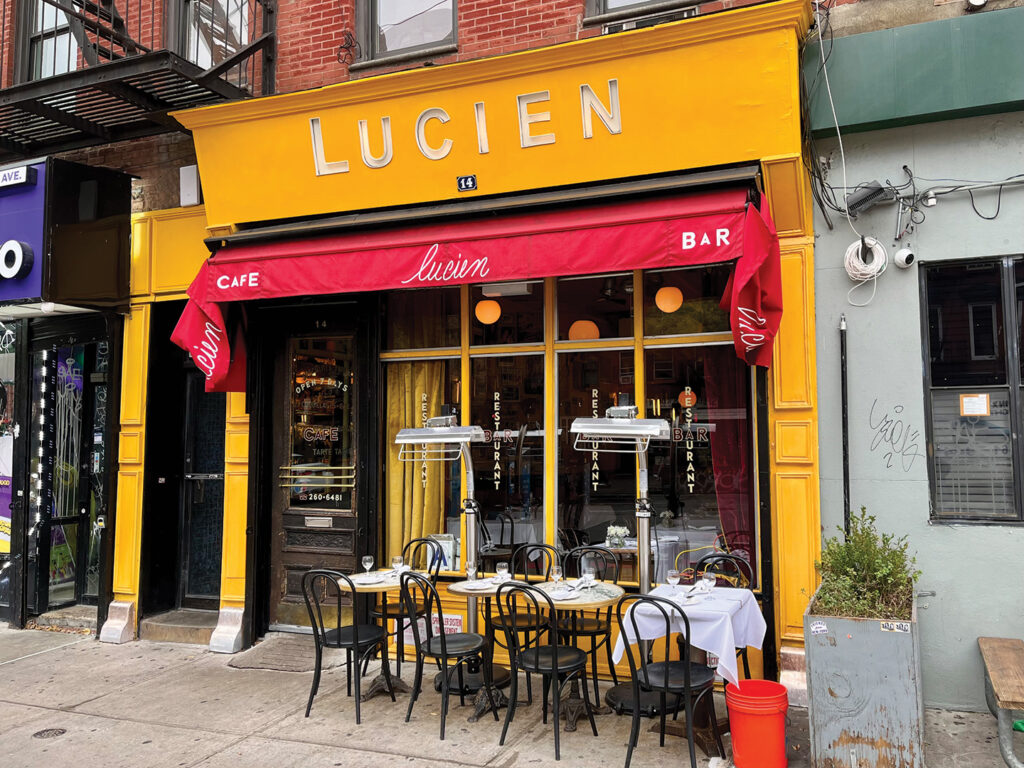
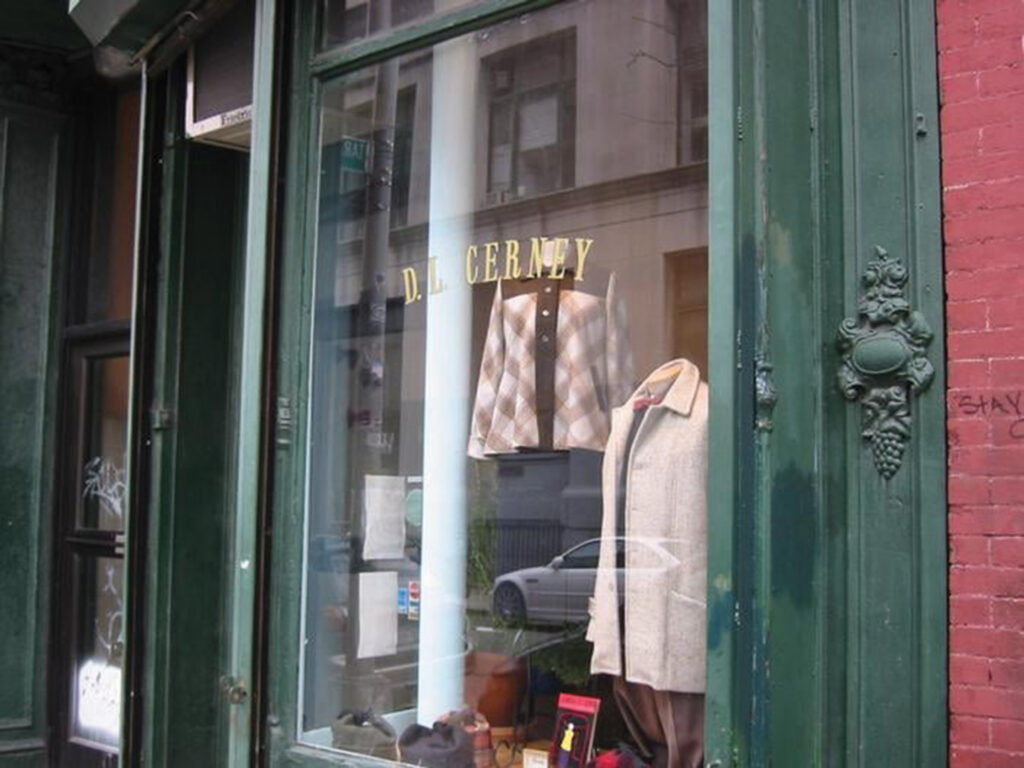
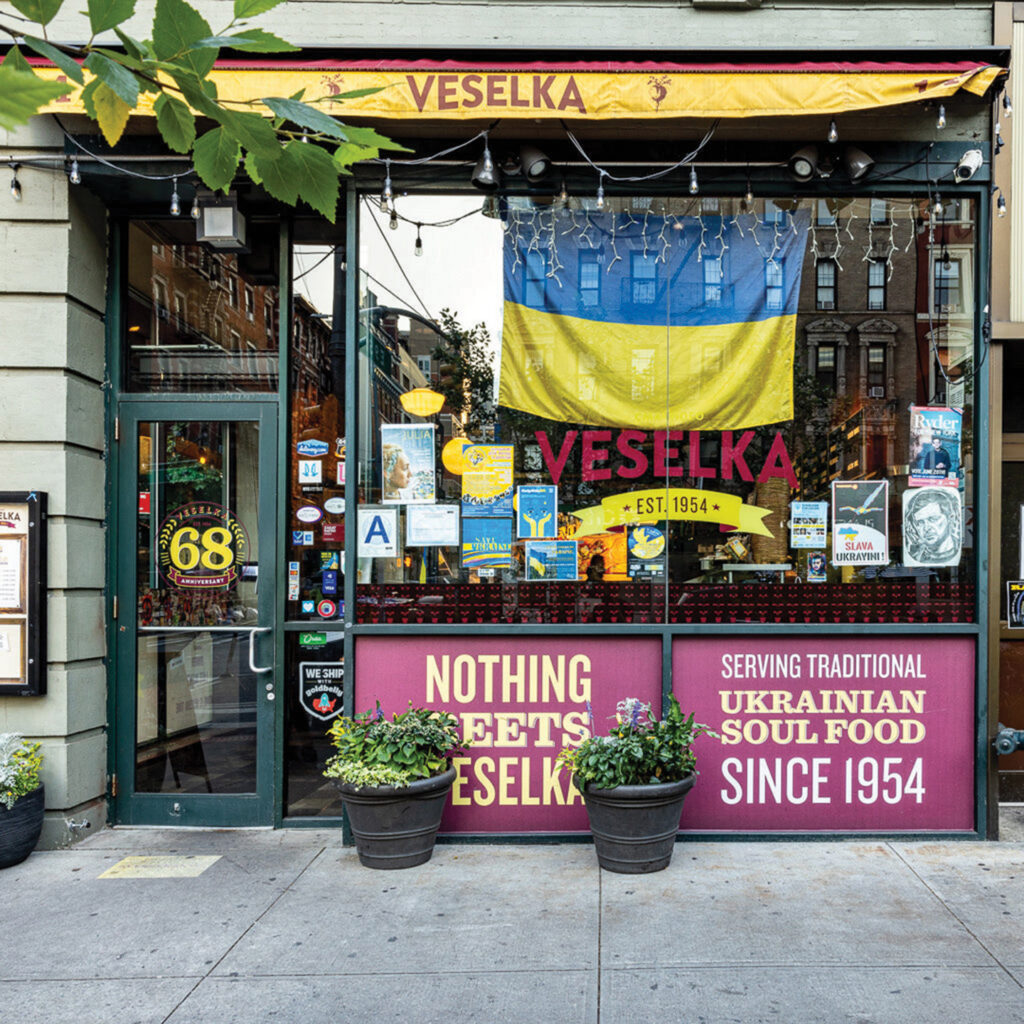
Seán Curran’s East Village
New York’s East Village is one of the oldest neighborhoods in lower Manhattan. Wellknown as the nexus for avant-garde art and the experimental theater movement in the 1950s, the neighborhood also proudly can claim to be the birthplace of punk rock in the late 1970s. Curran has strolled the streets of St. Mark’s Place, Alphabet City, and the Bowery since the 1980s.