Life Lessons
Paul Taylor Dance Company makes its Green Box Arts Festival debut. ArtDesk dance editor Larry Keigwin talks with dancer Alex Clayton about Paul Taylor's style of encouragement, the joy of Esplanade, and dancing at altitude.
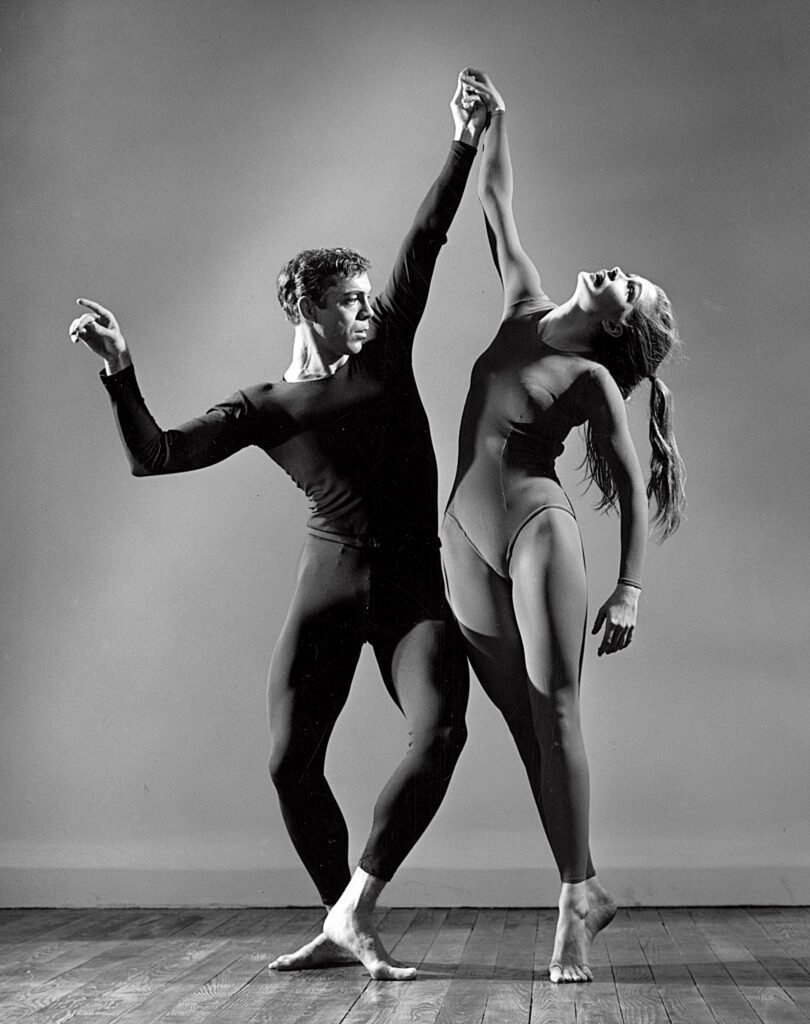
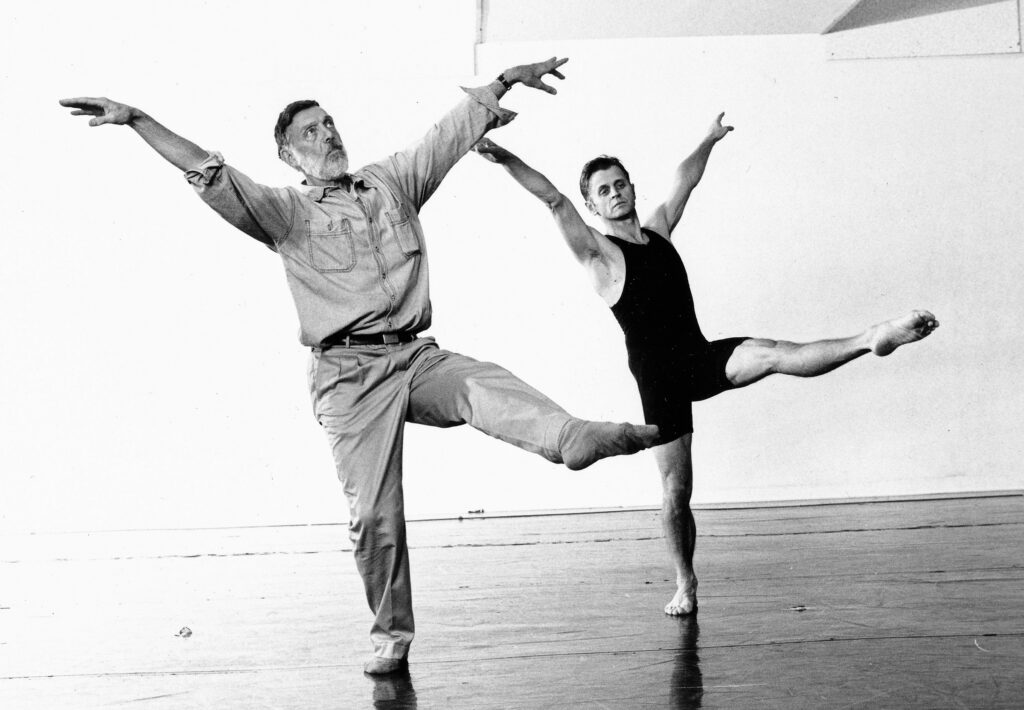
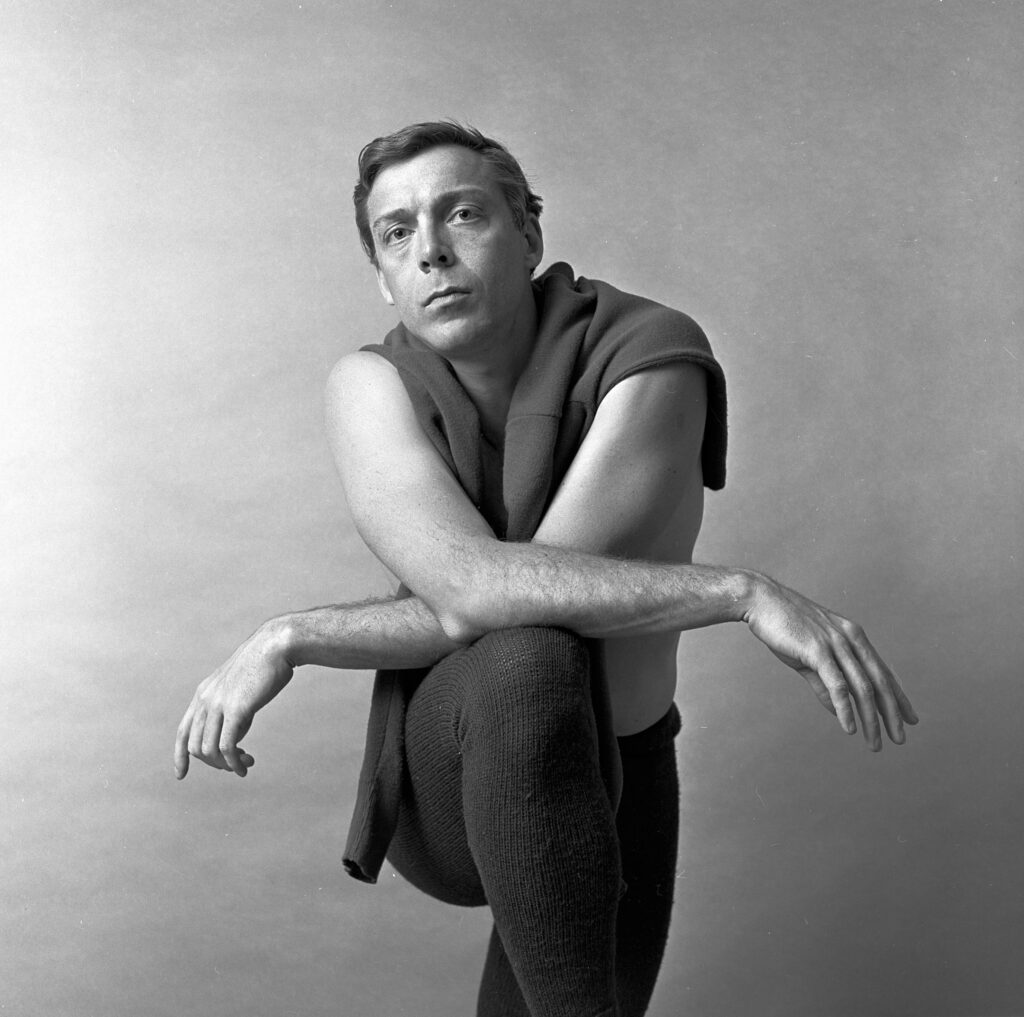
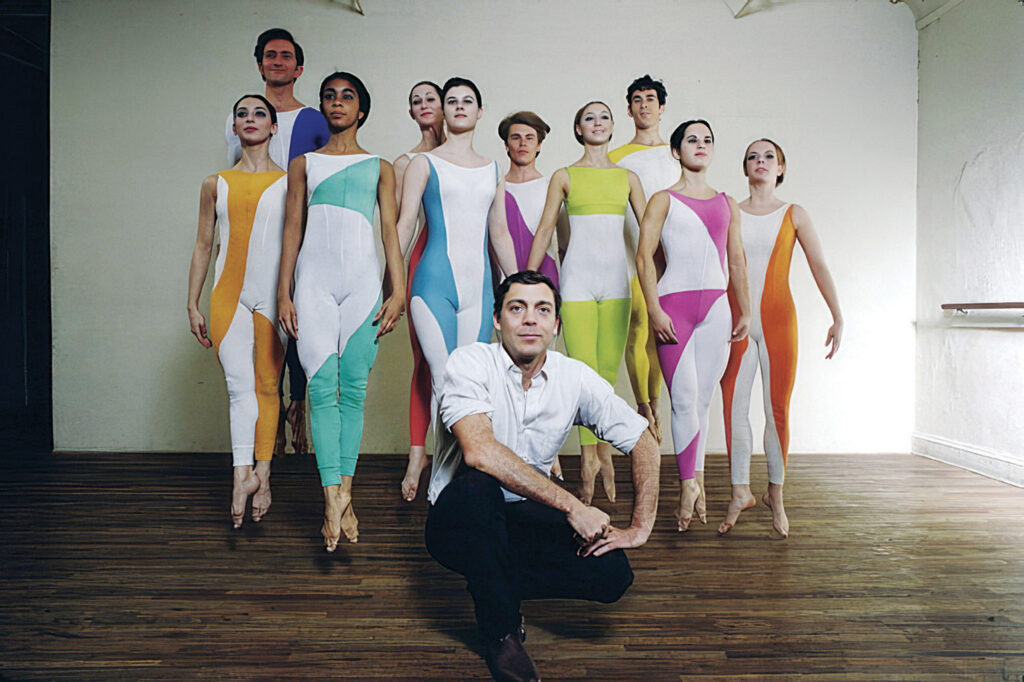
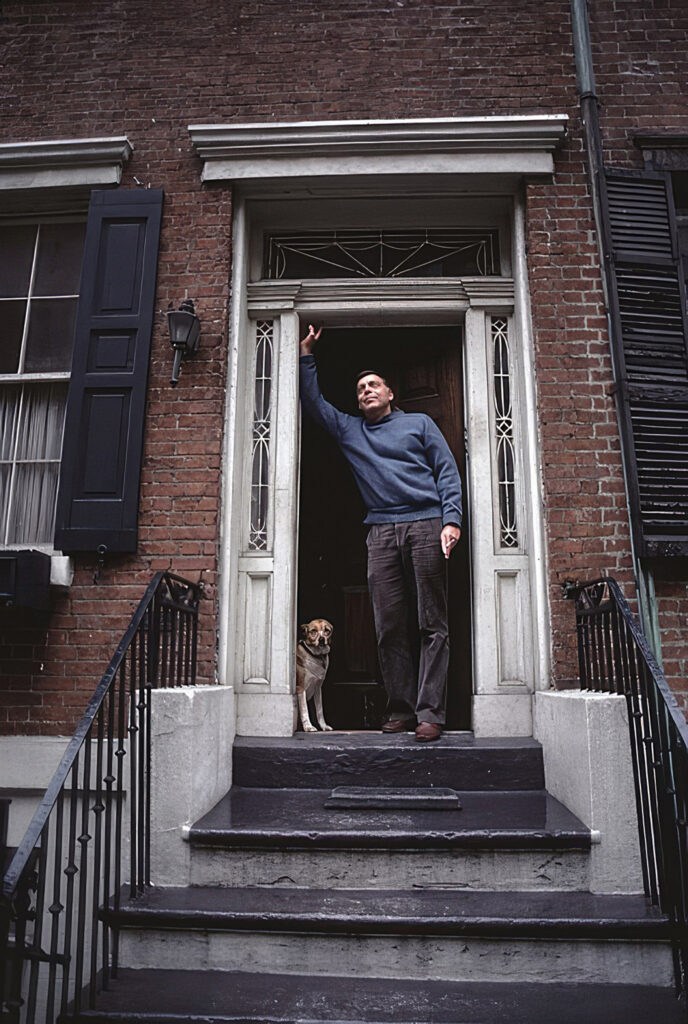
Paul Taylor (1930 –2018) is regarded as one of the foremost innovators in dance history and the last of the great modern dance artists. His name alone inspires awe. This year, Paul Taylor Dance Company makes its Green Box Arts Festival debut, led by dancer Alex Clayton. Here, ArtDesk dance editor Larry Keigwin and Mr. Clayton discuss Paul Taylor’s style of encouragement, Esplanade, and—where the air is thin—dance at altitude.
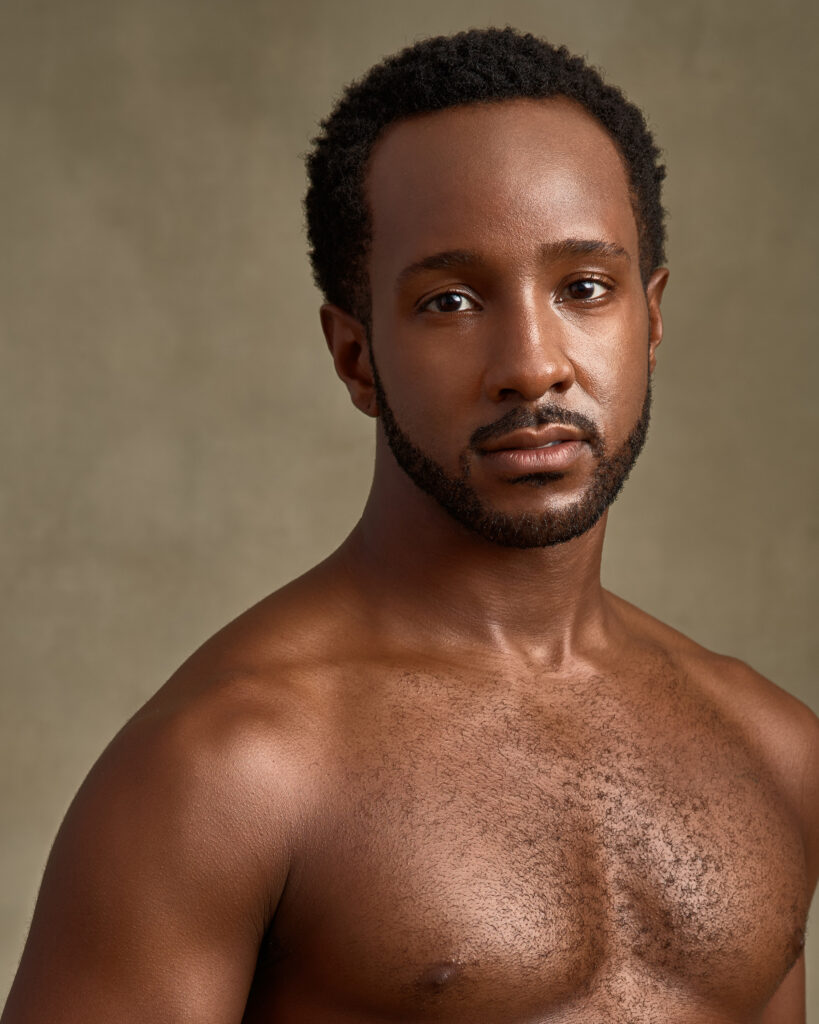
LARRY KEIGWIN: Hi, Alex! Let’s dive right in. You grew up in Louisville, Kentucky, and you went to Stephens College in Missouri—your major was dance, but you have a minor in visual arts.
Alex Clayton: Yeah, I do. I didn’t start dancing until I was a senior in high school. I was in the visual arts department in my high school, and I had enough college credit for my AP art classes to minor at Stephens College. When I went to Stephens, I was able to both continue my training in dance—I needed a lot of training—and be able to have my art as well.
When I started dance, it was interesting just to see how it started to reflect visual arts. When you’re painting or you’re making art, you’re trying to be cognizant of the entire picture at all times. That influenced the characterization of my dancing–trying to understand the part I played in this whole. Things became more vivid in both mediums.
LK: And you probably dance as if you are painting! Can you remind me when you started dancing for Paul Taylor? Were you ever in the studio with him?
AC: I got hired in 2017, I was the last person, I guess, that he hired for the main company before he died.
I have the pleasure of being in his last piece that he choreographed, Concertiana, in my first year of being in the company, it was amazing to be able to work with him, for him to be able to, you know, manipulate my body and ask me to, you know, further extend myself. I remember the solo that we were creating, and he kept saying, take up more space. So he really was pulling me in ways which just felt amazing to have that time.
LK: In my first work with Paul Taylor Dance Company, Rush Hour, I cast you in the principal role because I really believed in your strength as a dancer and performer. How were you first introduced to dance?
AC: I grew up in Louisville, Kentucky, and my mother was a big fan of the arts, so she would take me to shows. I had taken dance class every once in a while, but nothing particularly serious. I’ll be honest and say that I was not even aware that black people danced professionally. I mean, there were not a lot of black dancers being represented in Kentucky, so it was never really a job that I even thought was attainable, until I saw Ailey perform in between my junior and senior year of high school.
When I saw a plethora of beautiful brown bodies dancing, I thought, oh, it is possible. That was my impetus to start taking class and trying to pursue dance. I am glad that I started late. I think if I had started earlier and maybe had heard the comments that I had received when I first started dancing at an earlier age, that would have deterred me. I had tunnel vision focusing on what I knew I needed to do. And my mother was very, very supportive, so I was very fortunate.
LK: We are so grateful for your mom. I also came to dance through my mother. Michael Novak, artistic director of Taylor, says Paul did not hire dancers. He hired people. I love that quote, and I’m wondering if you agree with that, and, if so, how do you bring your most authentic self to the work?
AC: I would agree. Paul hired people. I’ve heard a similar quote that you can’t dance about dance, you must dance about life. And Paul understood that. If you work hard and have people who support you, you can obtain a lot of things, including technique. I always hope that I will grow in tandem with my love of the organization.
I feel as though Paul really embraced natural charisma. If you were going into a piece that had an original cast and you were performing, Paul would encourage you to do something that was your own inclination and in your own wheelhouse. With his vision, he helped you be an individual in your own right, and so you got the ability to imbue what you did well. Everybody has a different set of skills that they can utilize, and Paul was a master craftsman. He could see who was in front of him and decide: the previous person was a hammer, this person is a screwdriver. In the Taylor Company now, we are encouraged to find what tools we have and go from there.
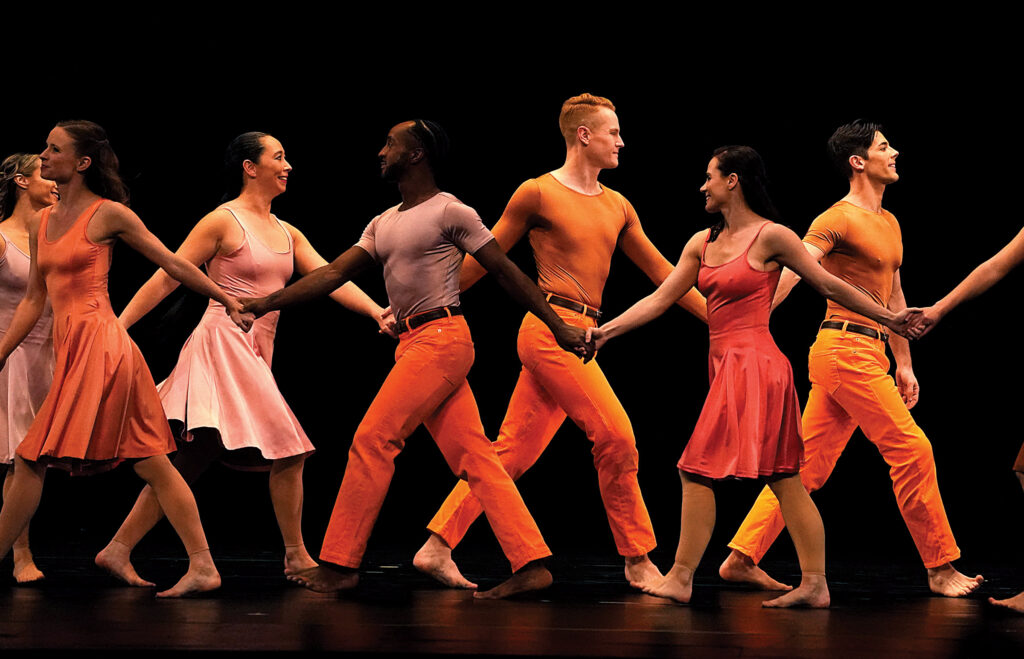
LK: One of my favorite dances, Esplanade, will be performed at Green Box this summer. The work is built on pedestrian movements, walking, running, skipping, sliding—it’s so joyful. What is it like to dance?
AC: When I first went into Esplanade, I think I cried because it’s an amazing piece. The thing that is so beautifully touching are all of the movements that are pedestrian and recognizable to anybody who is familiar with dance or not familiar with dance. They can all relate to it. We are doing movements we all do in regular life—running, jumping—but we take it to an extreme. In the fifth section where we’re running at top speeds and sliding across the floor, it feels like a brave exploration of movement.
It’s hard to be stale in Esplanade because if you’re not pushing yourself to the outer limits, then you literally are not achieving the steps, so any time we’re performing, we’re running and summoning the energy and the bravery in order to do this incredibly hard step. The audience is so electrified by our effort and that, in turn, feeds our ability to keep pushing. It becomes this beautiful symbiotic relationship. By the end, I feel like the audience and the dancers are taking a bow together.
LK: Have you ever performed it at altitude?
AC: We just were on tour in Aspen and Santa Fe, and we have learned now how to handle altitude. Thank God for oxygen tanks, which we will be using regularly.
LK: Real oxygen tanks?
AC: Oh, yes. It’s a lot of cardiovascular exercise, which, of course, at altitude can be hard to summon the amount of oxygen necessary.
LK: I’m excited you are coming to Green Mountain Falls. We are also at almost 8,000 feet, similar to Aspen, so I’m making a note to get the oxygen tanks ready for you.
Paul Taylor Dance Company performances at Green Box Arts Festival will be held on July 1, 2, 8, and 9. $10. greenboxarts.org