FIVE DAYS IN
Guadalajara
Guadalajara is staking its claim as a center for contemporary art and creativity.
Mexico City has been long known as Mexico’s culture center, but the country’s second-largest city, Guadalajara, is staking its claim as a center for contemporary art and creativity. Rather than making the traditional outbound migration to larger cities to pursue their careers, creative Guadalajarans are finding inspiration and opportunity in their hometown. “Artists and gallerists alike do not feel there is a status quo they should break or follow,” says Francisco Borrego Vergara, director of Curro gallery. This has re-energized Guadalajara as a fun, vibrant city attracting artists, collectors, and art enthusiasts from around the world. Oklahoma Contemporary Arts Center’s artistic director, Jeremiah Davis, shares with ArtDesk his recent five-day itinerary.
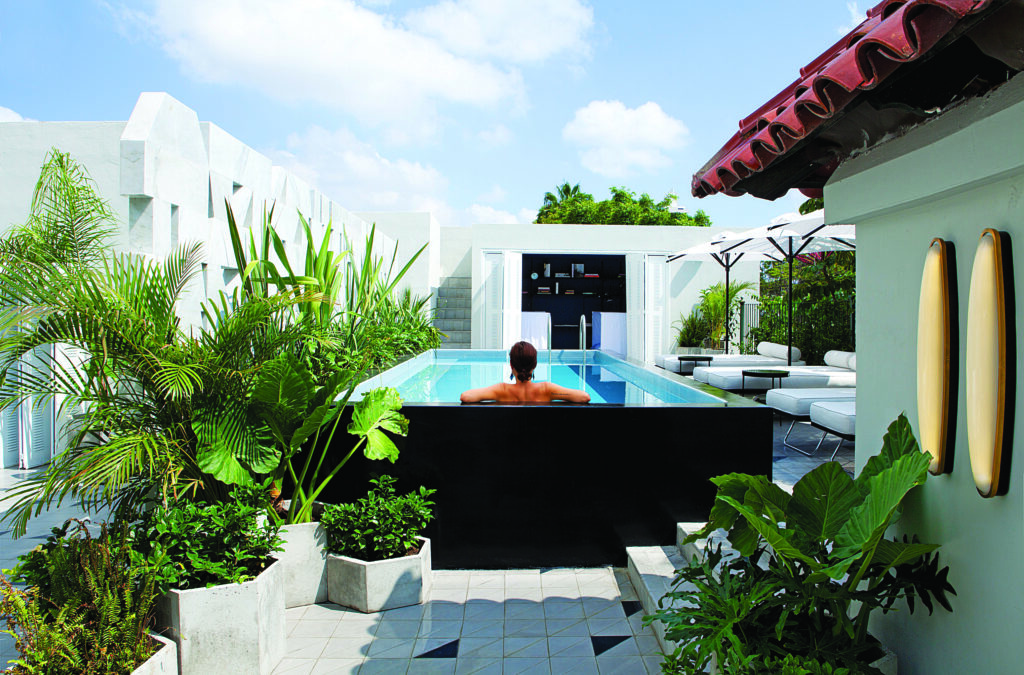
DAY ONE
Around the corner from our hotel, Casa Fayette, we visit our first gallery in Guadalajara, Travesía Cuatro. Founded in Madrid, Spain, in 2003 by Silvia Ortiz and Inés López-Quesada, the Guadalajara offshoot opened in 2013 and represents many of Guadalajara’s most well-known artists, including Gonzalo Lebrija, Jose Dávila, and Jorge Méndez Blake (all of whom have exhibited at Marfa Contemporary in Texas). Our first late-night dinner was at Hueso (“bone” in English), where the interior design features 10,000 cast-aluminum bones arranged on chalk-white walls.
DAY TWO
Our day began with a visit to Guadalajara’s historic city center and the Palacio de Gobierno, an amazing structure built in the eighteenth century
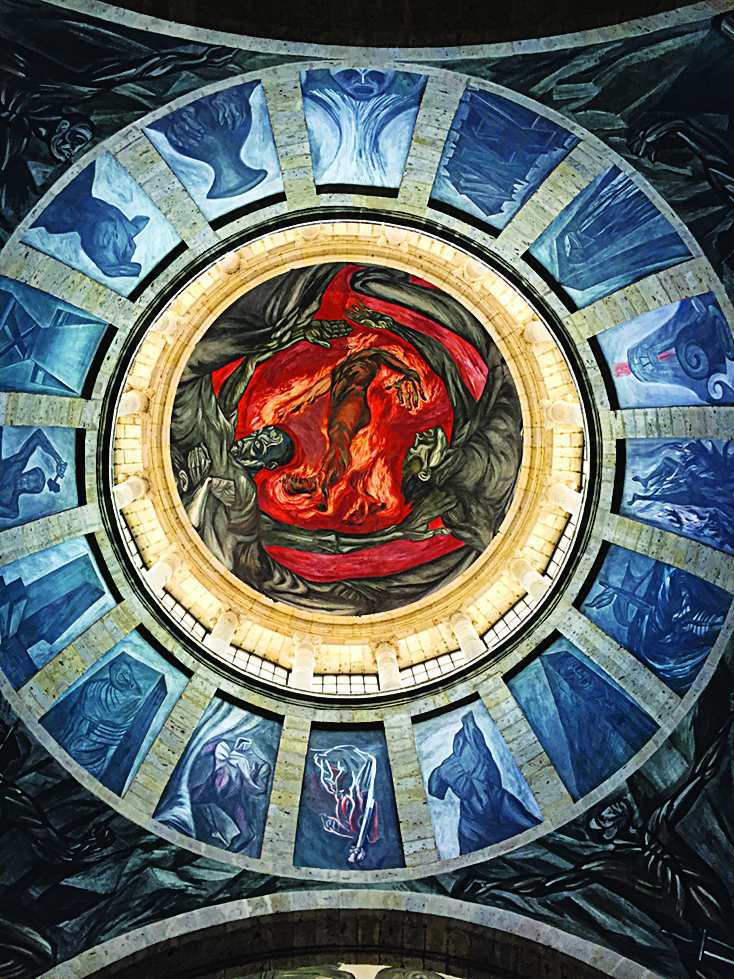
and housing a magnificent fresco by famed Mexican muralist José Clemente Orozco. Painted in 1937, it is a dramatic depiction of the revolutionary Father Miguel Hidalgo resisting colonial oppression.
For our last stop of the day, we toured the Hospicio Cabañas, a nineteenth-century hospital, orphanage, and homeless shelter turned cultural center. Now a UNESCO World Heritage site, the complex houses fifty-seven works by Orozco, including the iconic mural El Hombre de Fuego.
DAY THREE
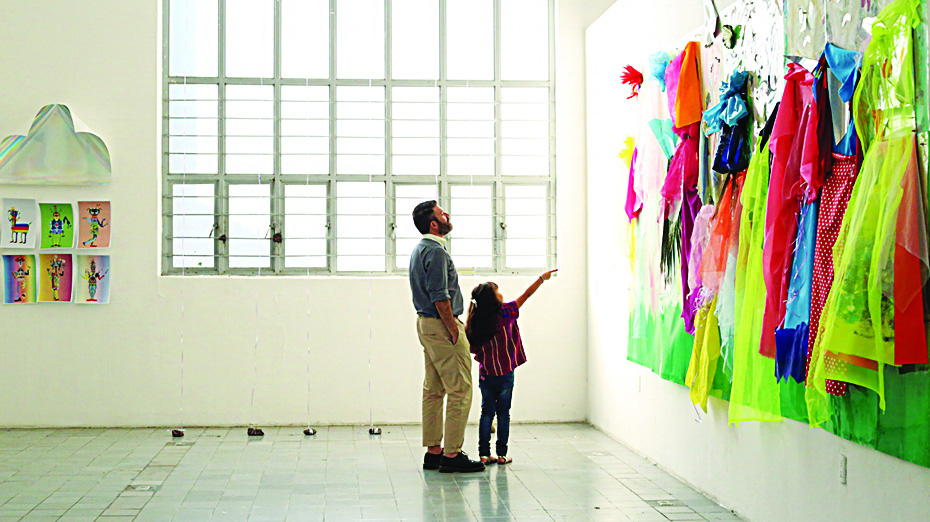
We started at Curro gallery, which represents some of Guadalajara’s most exciting contemporary artists, including Francisco Ugarte and Octavio Abúndez. Next, we visited PAOS, an artist residency space with high-level
public programming directed by Lorena Peña Brito.
After lunch at Río Viejo, a modern and stylish restaurant serving traditional regional cuisine—complete with mariachi music—we spent the afternoon at the Museo de Arte de Zapopan, a contemporary art museum with a collection that includes works from both international and local artists and offers lectures, film screenings, and educational events.
DAY FOUR
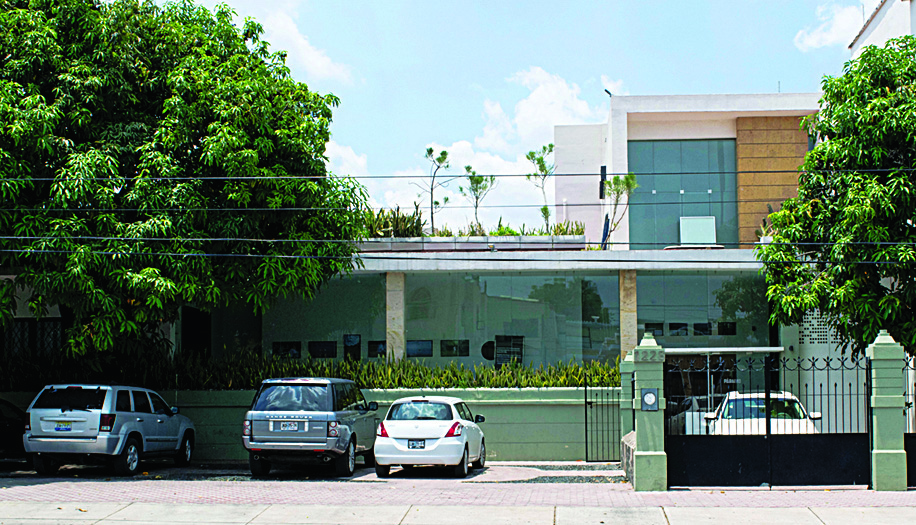
We ventured off for a late-morning gallery marathon. The first stop was a strong cup of coffee and a delicious breakfast from Palreal; we then hit up Páramo, ARTEFORO, Tiro al Blanco, and Ladera Oeste, a new nonprofit art space founded by Méndez Blake and curator Geovana Ibarra, which exhibits cutting-edge works by mid-career Mexican artists.
As we made our way back to the hotel, we found ourselves at Museo de Arte Raúl Anguiano—in addition to its excellent collection of works from famed Guadalajaran artist Raúl Anguiano, it offers rotating exhibitions of modern and contemporary art.
DAY FIVE
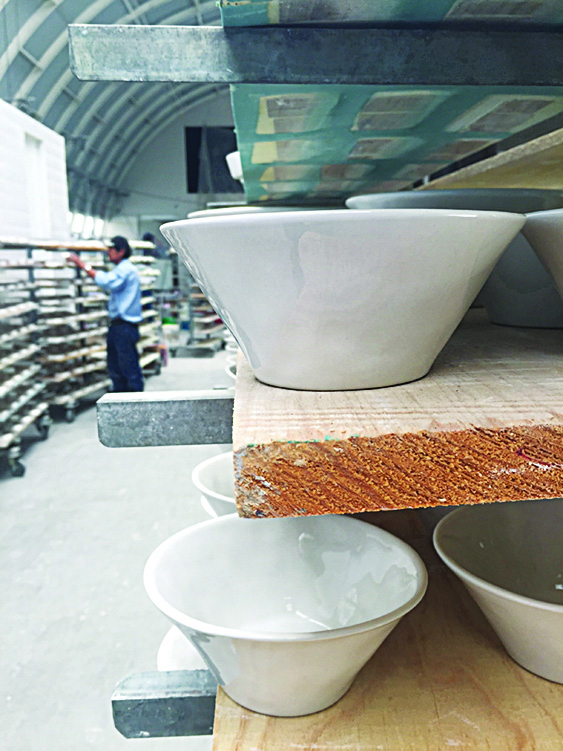
On our final day, we headed to Tlaquepaque, on the outskirts of the city and home to Cerámica Suro, an artisanal ceramics producer led by José Noé Suro. His factory has collaborated with an extensive list of contemporary artists, including Guadalajara transplant (by way of Los Angeles) Eduardo Sarabia.
“I got a call from José fifteen years ago,” Sarabia says. “He wanted to work on a project with me. I’d never been, so I took a bus, student-style, down to Guadalajara. That project gave me my start and changed my practice. Fifteen years later, I’m still here. Guadalajara seems like a city where anything is possible.”