From the Top
In the mid-1960s, Judson Dance Theater defined a generation of postmodern movement. Their approach has lessons for dancers in a new era of contemporary performance.
BY Wendy Perron
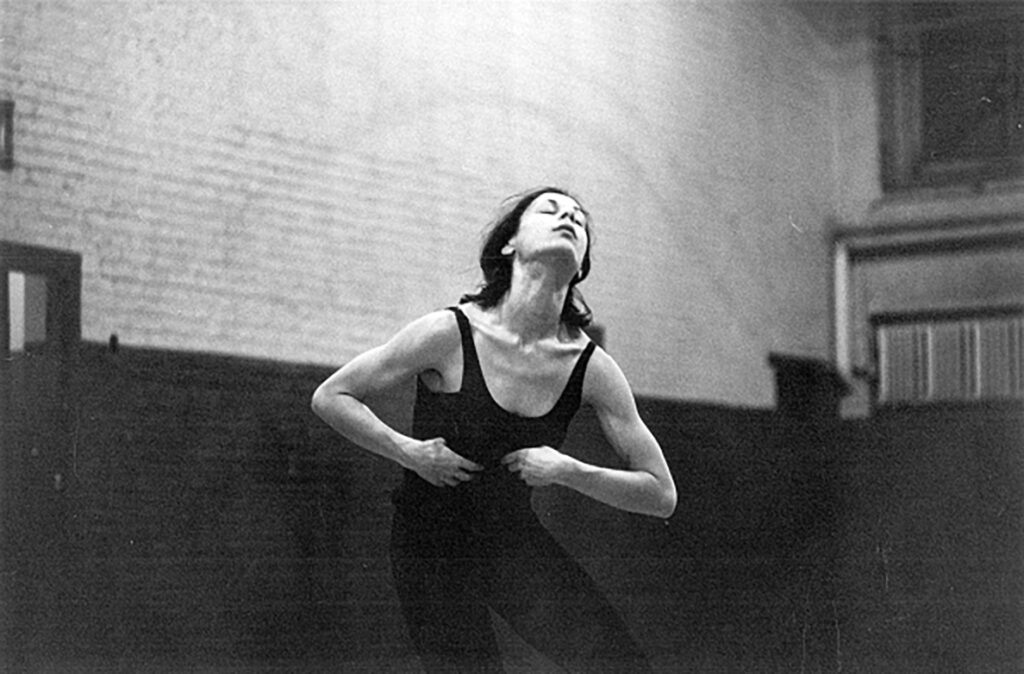
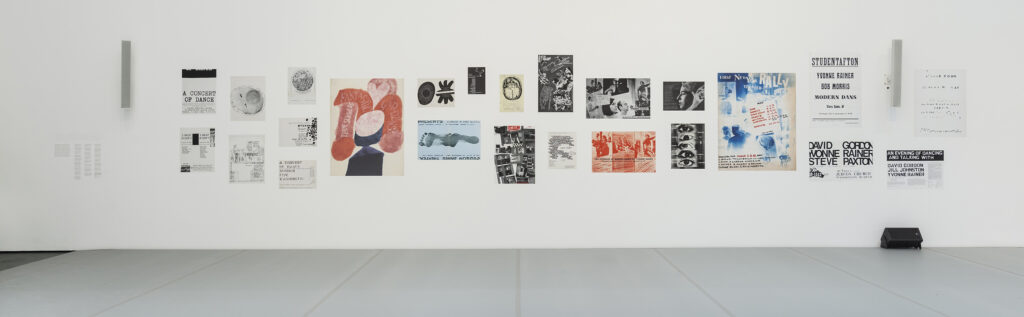
WHEN PEOPLE SEE postmodern dance, sometimes they don’t know how to react. Often there is no narrative thread and the movements seem disjointed. But, judging from the throngs that showed up for the exhibit on Judson Dance Theater at the Museum of Modern Art last year, there is a renewed curiosity in this group, which broke from modern dance and forged an utterly contemporary path.
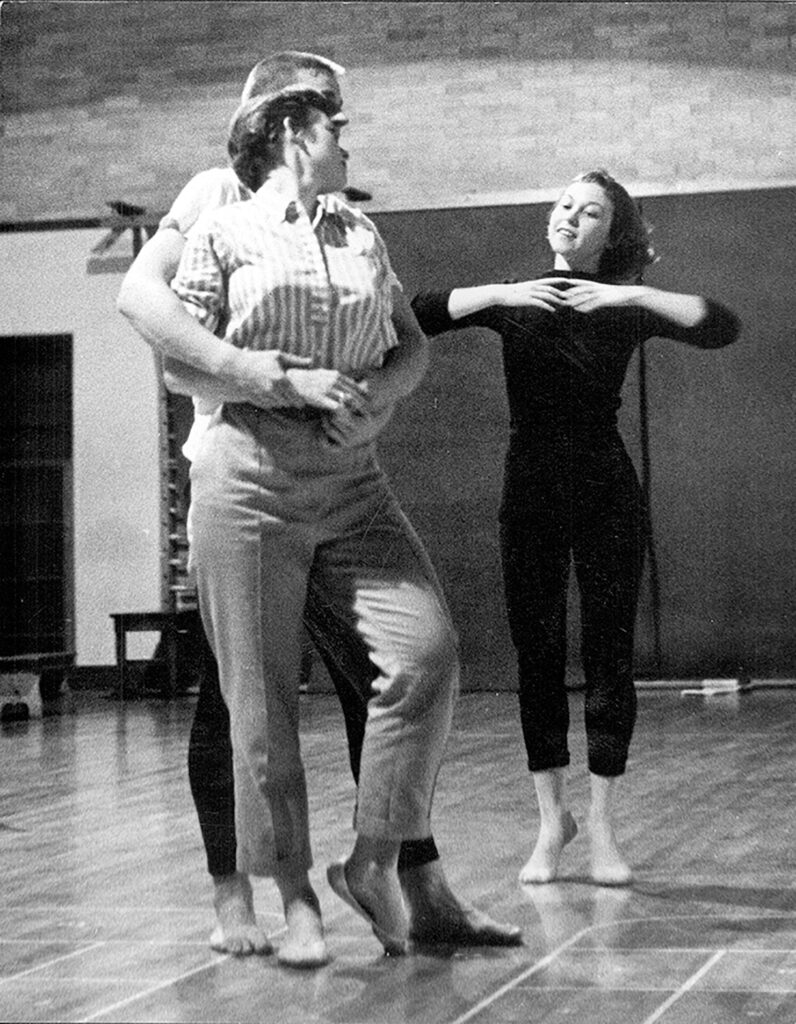
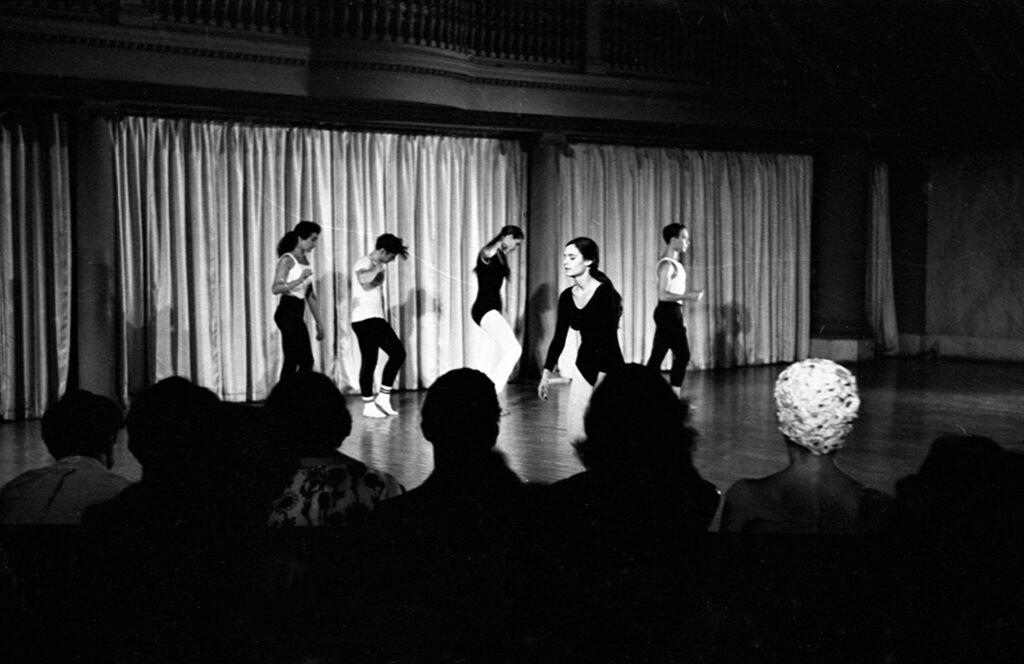
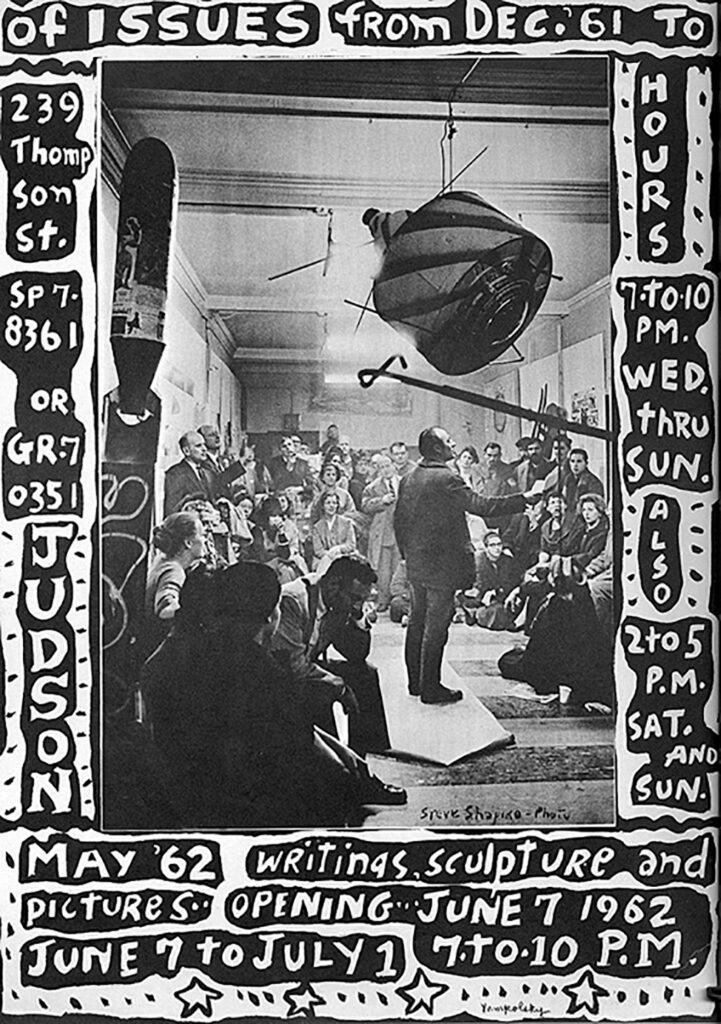
Judson Dance Theater, whose heyday was 1962 to 1964, wasn’t a theater at all. It was a collective of dancers, visual artists, and musicians that was, in fact, anti-theatrical. Performing at Judson Memorial Church in Greenwich Village, the artists used everyday actions like walking, running, and falling. They might seem totally relaxed one moment and launch into an eccentric frenzy the next. They were going back to the beginning, questioning the rules of performance. Did it have to be in a theater? Did it need to have music? Did it have to be virtuosic? Did it need to have a beginning, middle, and end?
The collective included people who later became central figures in postmodern dance—Yvonne Rainer, Trisha Brown, Steve Paxton, David Gordon, Lucinda Childs, and Deborah Hay—as well as art stars Robert Rauschenberg and Robert Morris. The dancers all studied with Merce Cunningham or danced in his company, for whom Rauschenberg served as a visual collaborator. Cunningham eschewed narrative. He had a faith that dance itself was inherently expressive. His partner in life and work was composer and philosopher John Cage. They generated the dance and music separately, leaving it up to viewers to create their own meaning.
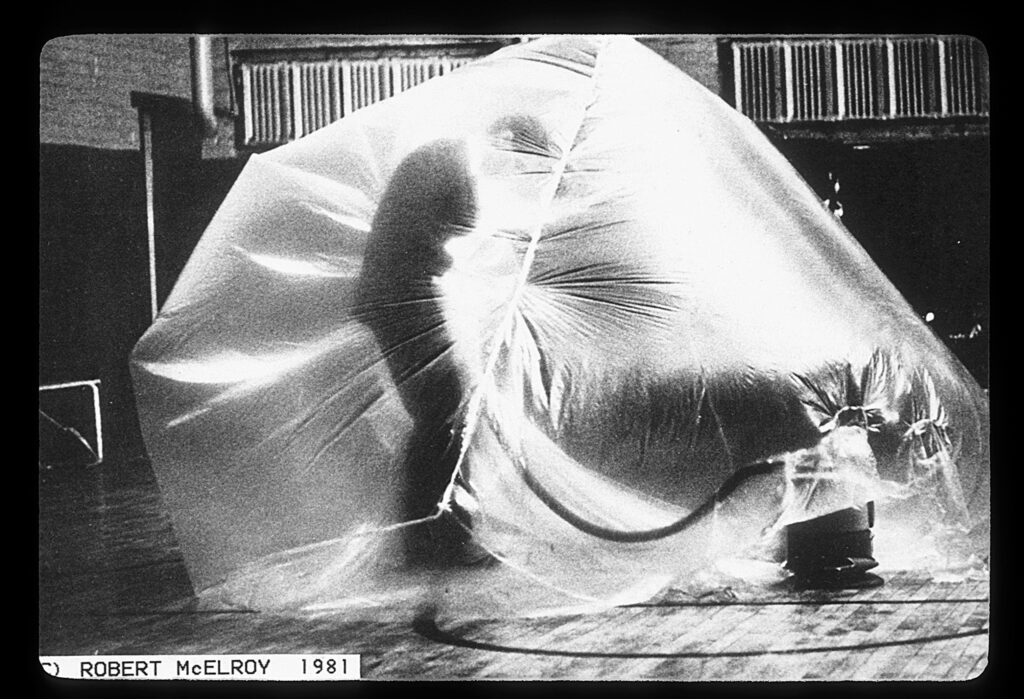
John Cage’s credo that “any sound can be music” theoretically extended to “any movement can be dance.” But Cunningham pretty much stuck to a highly technical style—long spine, extended legs, pointed toes. It was the Judson group that applied Cage’s idea to movement. Under the tutelage of Cage’s protégé Robert Dunn, they came in with task dances, gestural dances, talking dances, screaming dances. There were dances with tires, chairs, hangers, mattresses, balloons, radios, homemade films, roller skates, and a parachute. No one was aiming to produce a masterpiece, or even to please the audience—which was made up mostly of other young artists.
From this radical simplicity, a few members of Judson Dance Theater built unique careers. Yvonne Rainer introduced a feminist take on performance (and later, films); Steve Paxton initiated the freewheeling duet form, Contact Improvisation; Lucinda Childs developed the sometimes transcendent form of repetition and patterns; and Trisha Brown invented a liquid movement vocabulary that set the limbs and joints onto new pathways. But it all evolved from the exhilaration of going back to basics.
That resolve to go back to the beginning, to strip down to essentials, is resurfacing now, pandemic-style. Dancers are asking questions like, Can we make a dance without going into a studio? Can it happen without a live audience? Can we make a duet without touching? And, as at Judson, people are coming up with surprising answers.
For instance, Jamar Roberts’ Cooped, in which he inverts himself, dangling, torqueing his upper body, speaks of the vulnerability of the Black body in a darkly poetic way. Married couple Alejandro Cerrudo and Ana Lopez used their domestic space to produce a delightful duet touched by a whiff of magical realism, With You. Both were Guggenheim Works & Process virtual commissions. Meanwhile on Instagram, Brian Brooks danced at top speed, immersed in a different environment (mostly in New York City) every day of July, inspired by a new piano piece composed by Michael Gordon daily.
The Judson performers had their essentials: their bodies, the space at the church (at first the basement, then the sanctuary), and the edict to break down assumptions. During the pandemic the essentials have changed somewhat: A body, a domestic or outdoor space, an iPhone. It’s another kind of beginning. Who knows where it’s going to go?