Skip to content

Book Reports

Speak copy

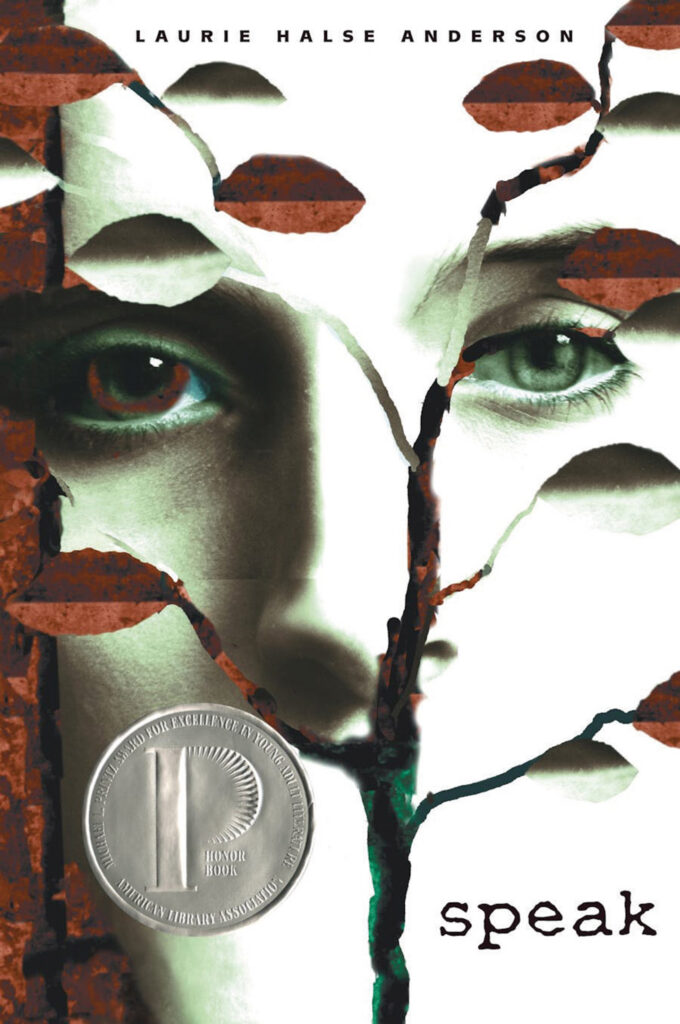
Speak

Laurie Halse Anderson

Speak, a 1999 National Book Award finalist, has been banned and challenged by censors for more than twenty years. Based on the author’s own experiences, Speak tackles sexual assault and post-traumatic stress using diary entries to drive the narrative. One group, Moms For Liberty, believes the book contains a bias against male students. “I think a lot of teenagers find in the book a little bit of a roadmap for how they can find the courage to speak up when a bad thing happens,” says the author.
Garcia Girls copy

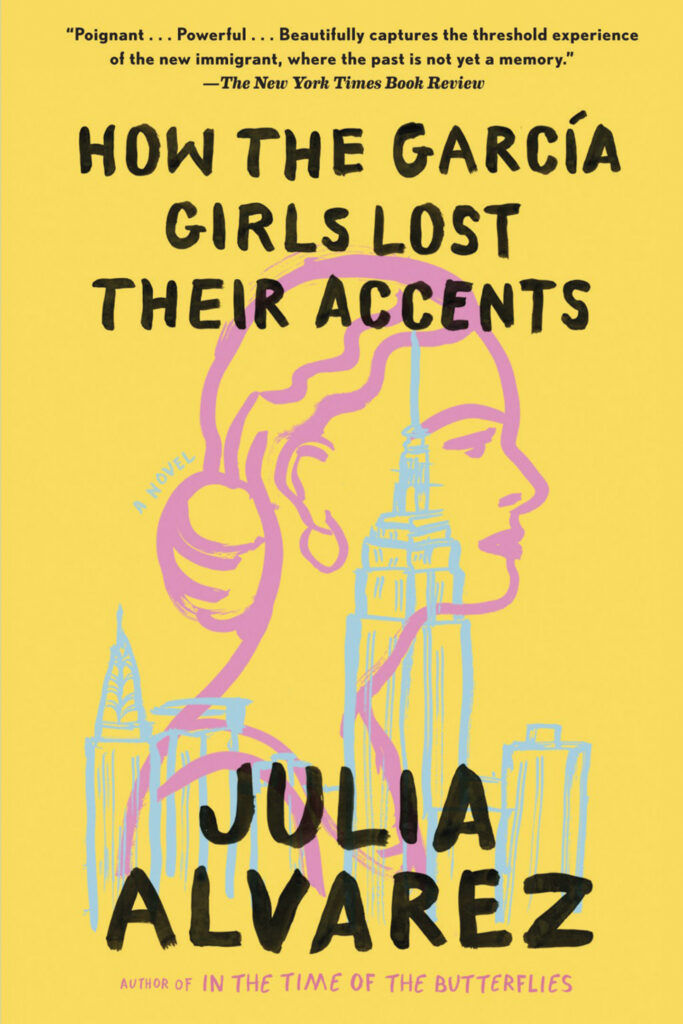
How the García Girls Lost Their Accents

Julia Alvarez

An essential book in the canon of modern Latino literature, How the García Girls follows a family displaced by political unrest in the Dominican Republic to Brooklyn, New York. Censors claimed sexual content, but nationwide book defenders equated the argument to banning Shakespeare, The Bible, and several of the world’s greatest authors.

Fun Home

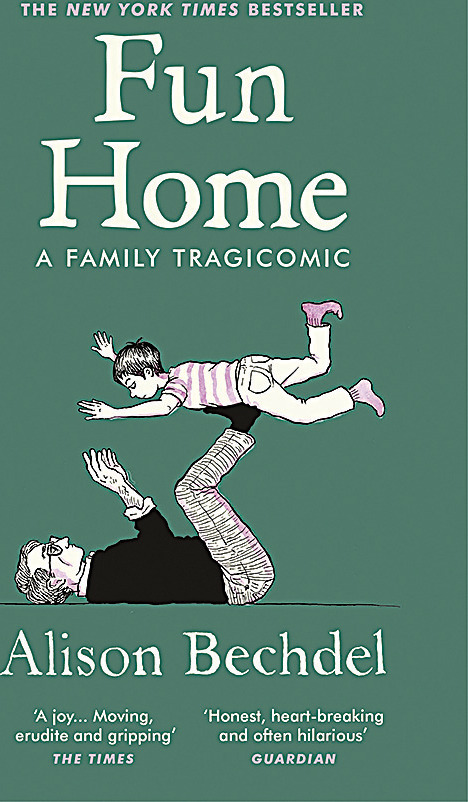
Fun Home: A Family Tragicomic

Alison Bechdel

Since its publication in 2006, this widely acclaimed memoir-turned-Tony-winning Broadway show, Fun Home has been challenged repeatedly. About the author coming to terms with her sexuality in a homophobic environment, Bechdel said in 2013, “It’s sad and absurd…a book which is, after all, about the toll that this sort of small-mindedness takes on people’s lives.”

Handmaids Tale

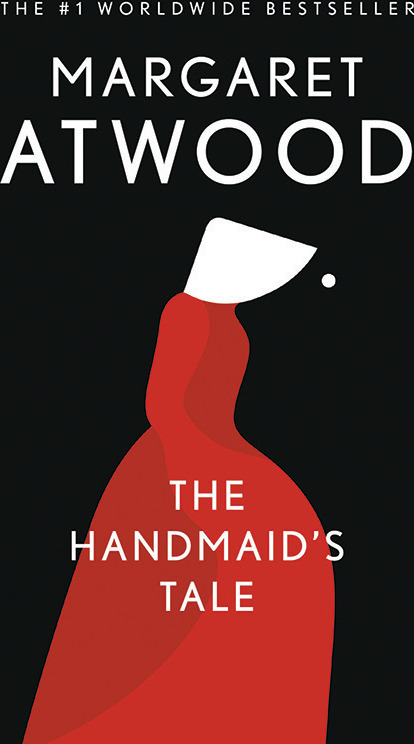
The Handmaid’s Tale

Margaret Atwood

In Atwood’s imagined dystopia, Gilead, women are entirely subjugated. They are not allowed to own property or read, and many are forced into reproductive slavery (known as handmaides). First published in 1985, censors from European dictatorships to groups like Focus on the Family, have attempted to ban the book for its anti-religious viewpoints and rape scenes. The book’s real message is about totalitarianism in a future former United States.

Lawn Boy copy

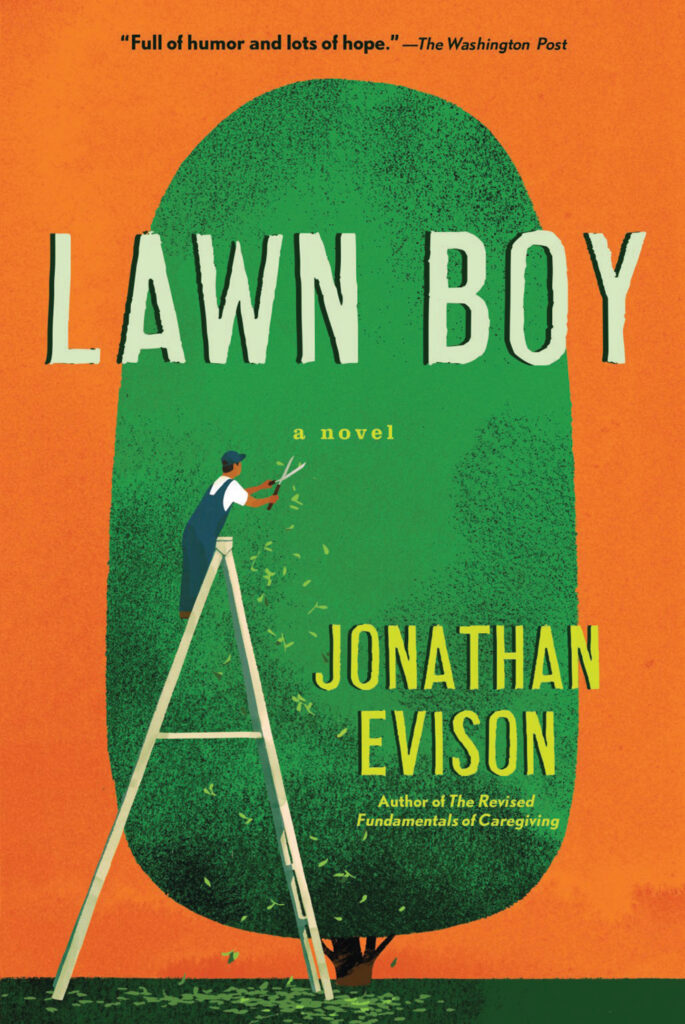
Lawn Boy

Jonathan Evison

A novel about a Mexican–American kid who endeavors to write the “Great American Landscaping Novel,” protagonist Mike Muñoz combines his love of lawn mowing and yard work with creative writing. A passage taken completely out-of-context was deemed “vulgar and pornographic” by censors. Evison says in an essay for Poets & Writers, “[Book banners] would rather keep Mike just where he is: disillusioned, disenfranchised, impoverished, and preferably in the closet. And the best way to do that is to not let him tell his story.”

Maus copy

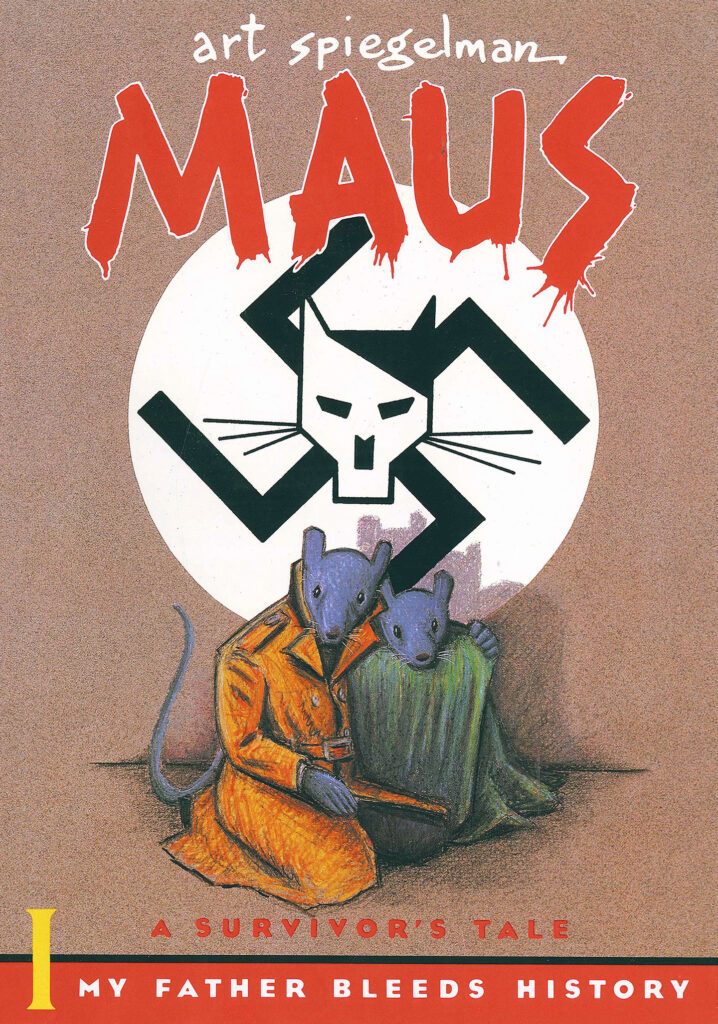
Maus

Art Spiegelman

Maus, the first graphic novel series to win a Pulitzer Prize (in 1992), recounts the horrors of the Holocaust by using anthropomorphism, dark humor, and first-hand accounts. Nazis are depicted as cats and Jews as mice. Based on interviews with Spiegelman’s father Vladek, a Polish Jew who was liberated from Auschwitz in 1945, Maus remains one of the most important books about a dark time in world history. Maus was banned for obscenity, nudity, and depictions of violence. At a post-ban event in 2022, Spiegelman says, “Censors want a kinder, gentler Holocaust they can stand.”

Mondays Not Coming

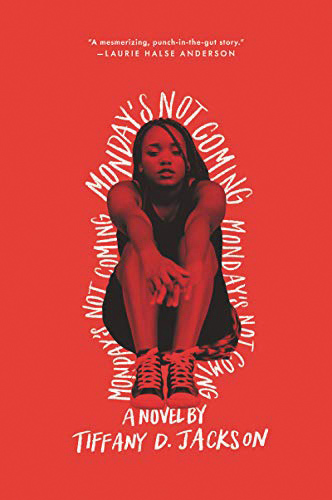
Monday’s Not Coming

Tiffany D. Jackson

Poverty, child abuse, grief, and friendship intersect in this young adult novel published in 2019. The story centers on the unexplained disappearance of a Black teenager, Monday Charles, and her best friend’s attempts to find her. Banned or challenged due to claims of “sexually explicit” passages, the book’s prevailing themes of systemic racism and poverty as factors that contribute to poor mental-health outcomes are lessons some censors don’t want students to learn.

The Bluest Eye copy

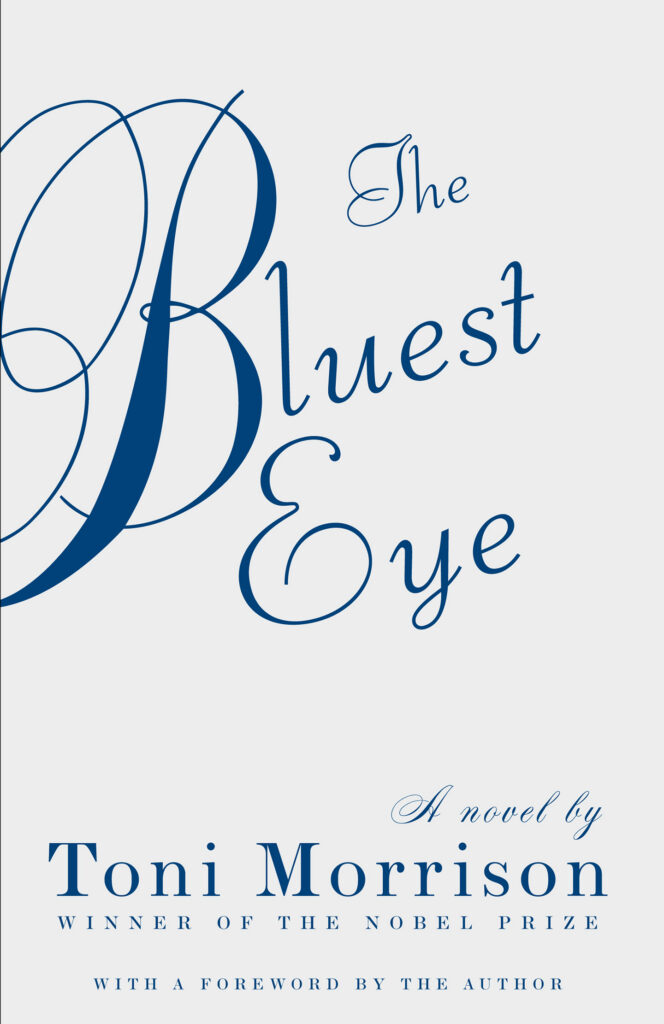
The Bluest Eye

Toni Morrison

Winner of the Nobel Prize, Presidential Medal of Freedom, and Pulitzer Prize, Toni Morrison, author of routinely challenged The Bluest Eye, said, “The thought that leads me to contemplate with dread the erasure of other voices, of unwritten novels, poems whispered or swallowed for fear of being overheard by the wrong people, outlawed languages flourishing underground, essayists’ questions challenging authority never being posed, unstaged plays, canceled films—that thought is a nightmare. As though a whole universe is being described in invisible ink.”

The Glass Castle copy

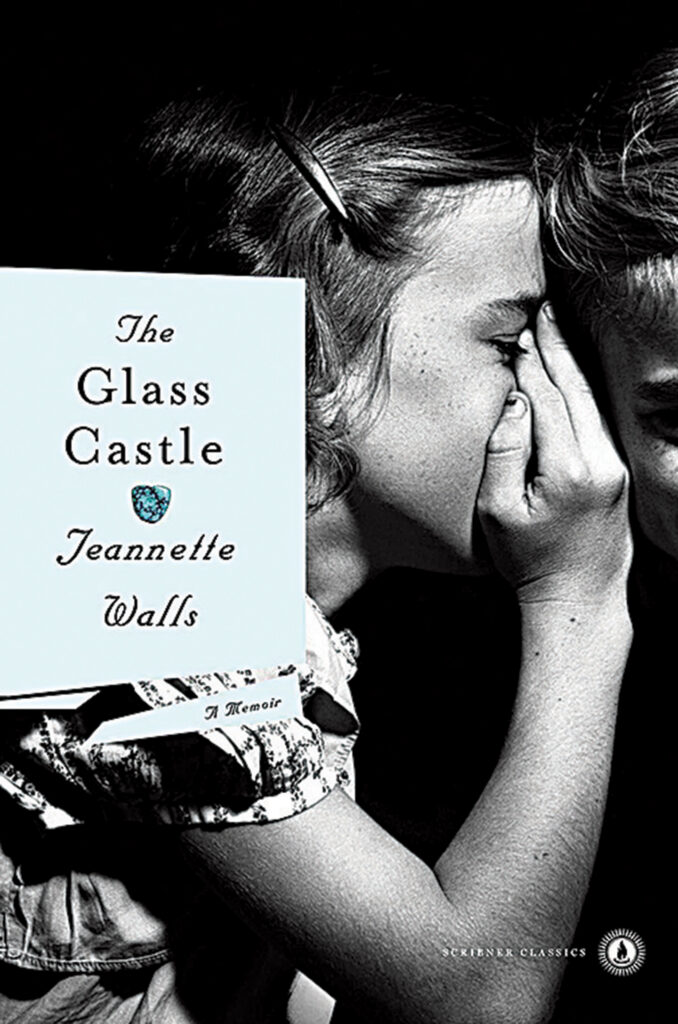
The Glass Castle

Jeannette Walls

The Glass Castle is currently at the center of a legal battle between Edmond Public Schools in Edmond, Oklahoma, and the state’s board of education. The state superintendent of public instruction alleges the book contains pornographic content. However, it is well-documented that The Glass Castle does not contain visual images or content intended to cause sexual excitement.

The Kite Runner copy

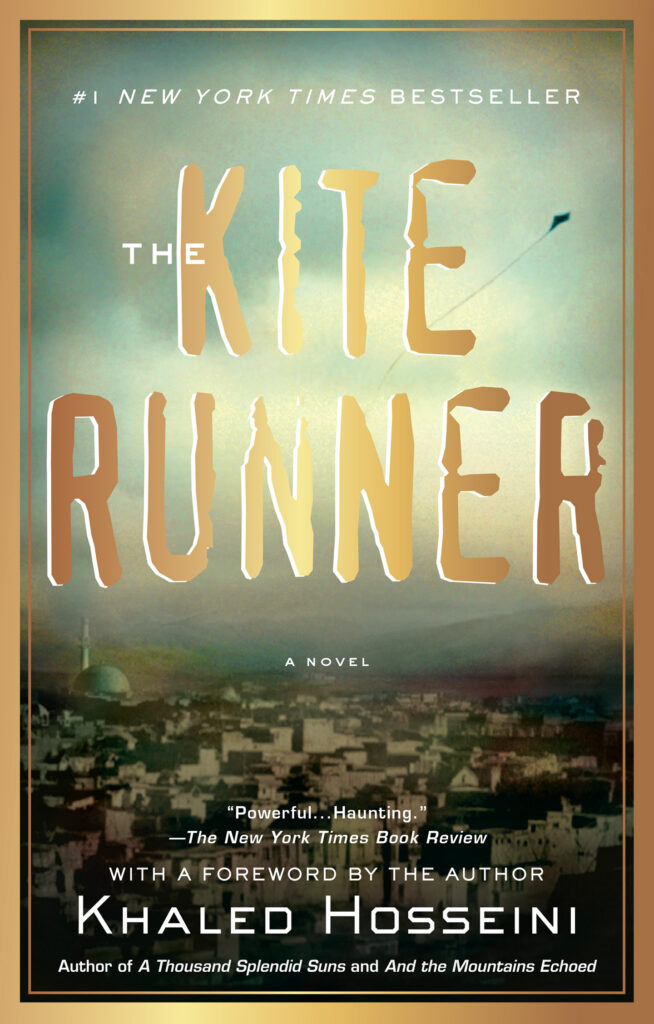
The Kite Runner

Khaled Hosseini

A bestseller about two childhood friends from Afghanistan, The Kite Runner is one of two books the Oklahoma State Department of Education has ordered removed from school libraries. “This is the twenty-first century; I thought this happened in Europe in the 1930s,” Hosseini says about the censorship of his book. Representatives from several Oklahoma school districts have written letters in support of Edmond Public Schools’ efforts to keep this and other books on library shelves.