Skip to content

Book Reports

IMG 3927 copy

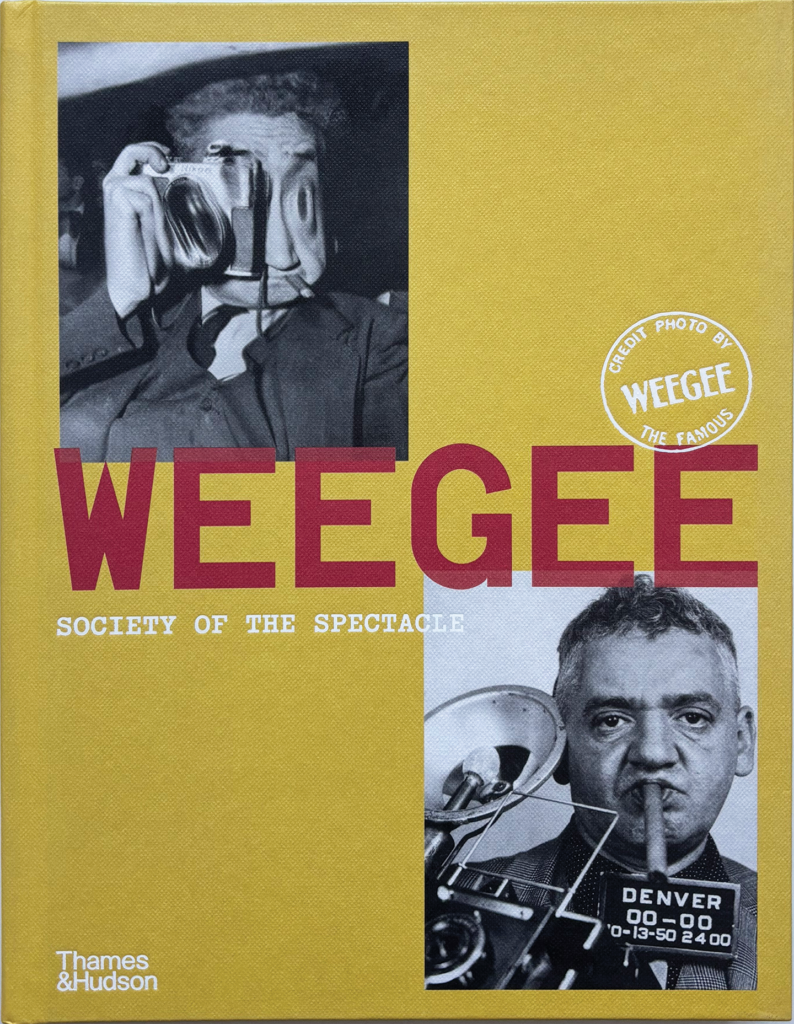
Weegee: Society of the Spectacle

Clément Chéroux

American photographer Weegee essentially had two careers. For many years he was on the street, capturing the gritty scenes of New York—gruesome car crashes and criminals in handcuffs. Then he pivoted to Los Angeles nightlife and celebrities, using kaleidoscopes and distorted lenses to create distinct portraits of Marilyn Monroe and Salvador Dalí. Society of the Spectacle compiles his entire body of work, finding that the through line is his critique of the world-at-large.
IMG 3929 copy

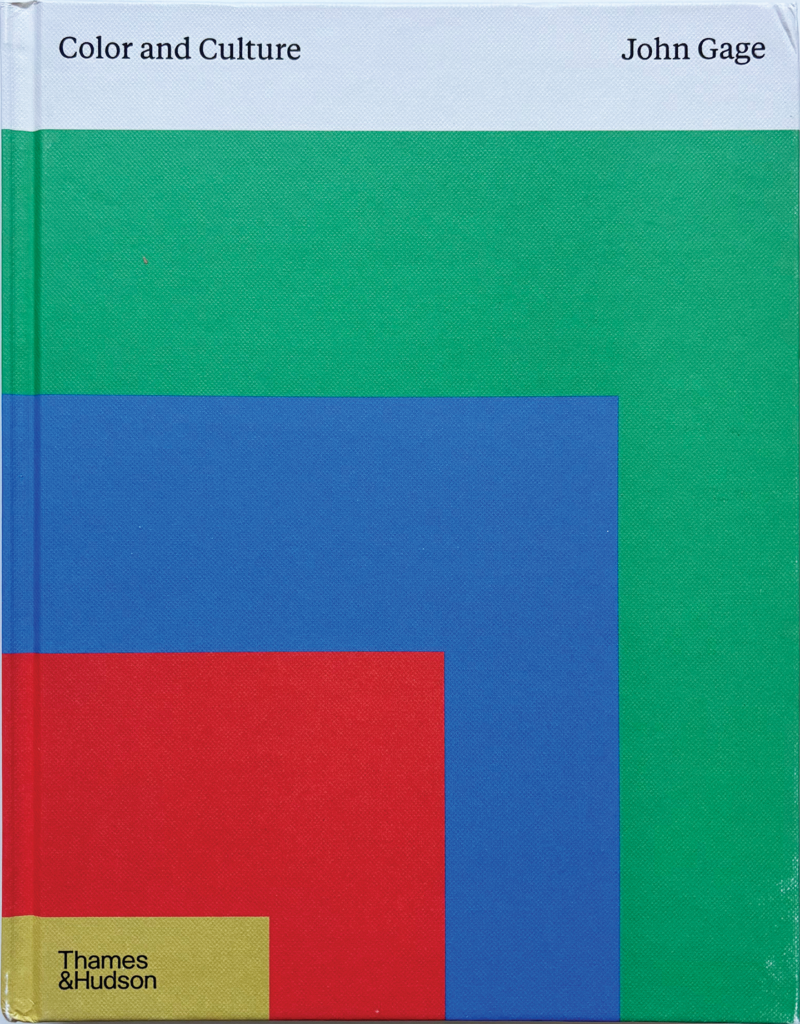
Color and Culture: Practice and Meaning from Antiquity to Abstraction

John Gage

The use of color is a common mode of deciphering intent and meaning from old paintings. When art historian John Gage first wrote Color and Culture in 1998 as an in-depth and well-researched thesis on the science and use of color, it was presented as a textbook. Republished in November, this book becomes more of a coffee-table meditation on color and science—perhaps as Gage always intended it to be.

IMG 3920 copy

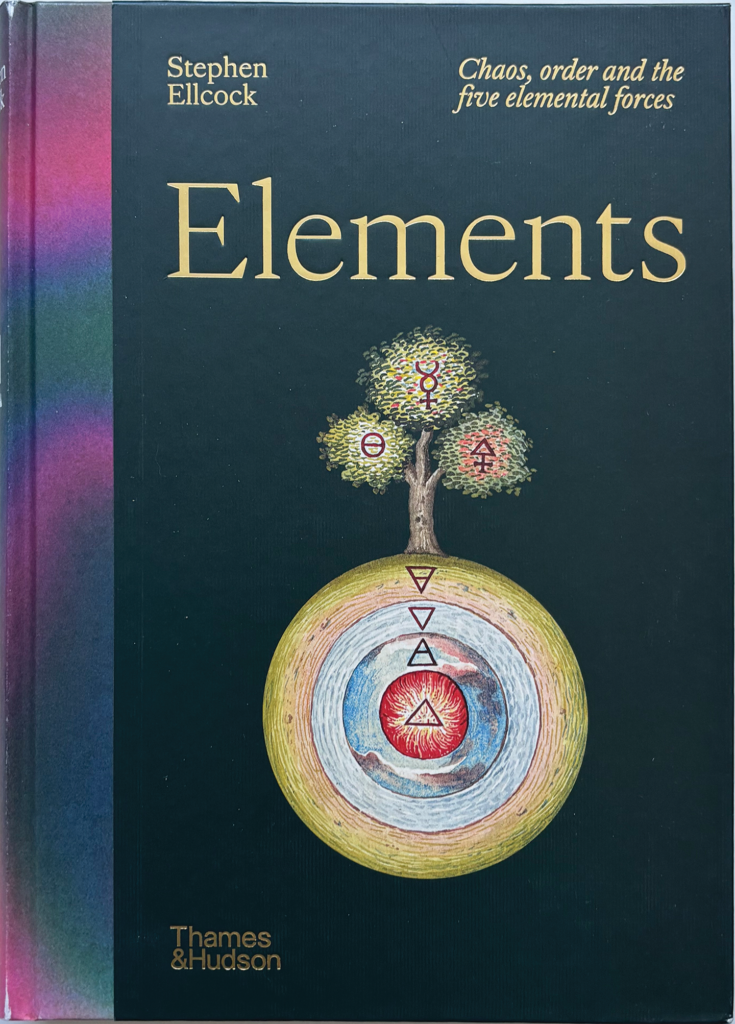
Elements: Chaos, order and the five elemental forces

Stephen Ellcock

Stephen Ellcock, a renowned image collector with an extensive online presence, shows how the elements have defined and redefined the components of Earth and the heavens. By comparing modern images with those of ancient and obscure origin, Ellcock shows how the ancient creation myths are shared between philosophers and astrologers and even modern artists, photographers, and scientists. Elements is the third title of Ellcock’s that explores the natural world.

IMG 3932 copy

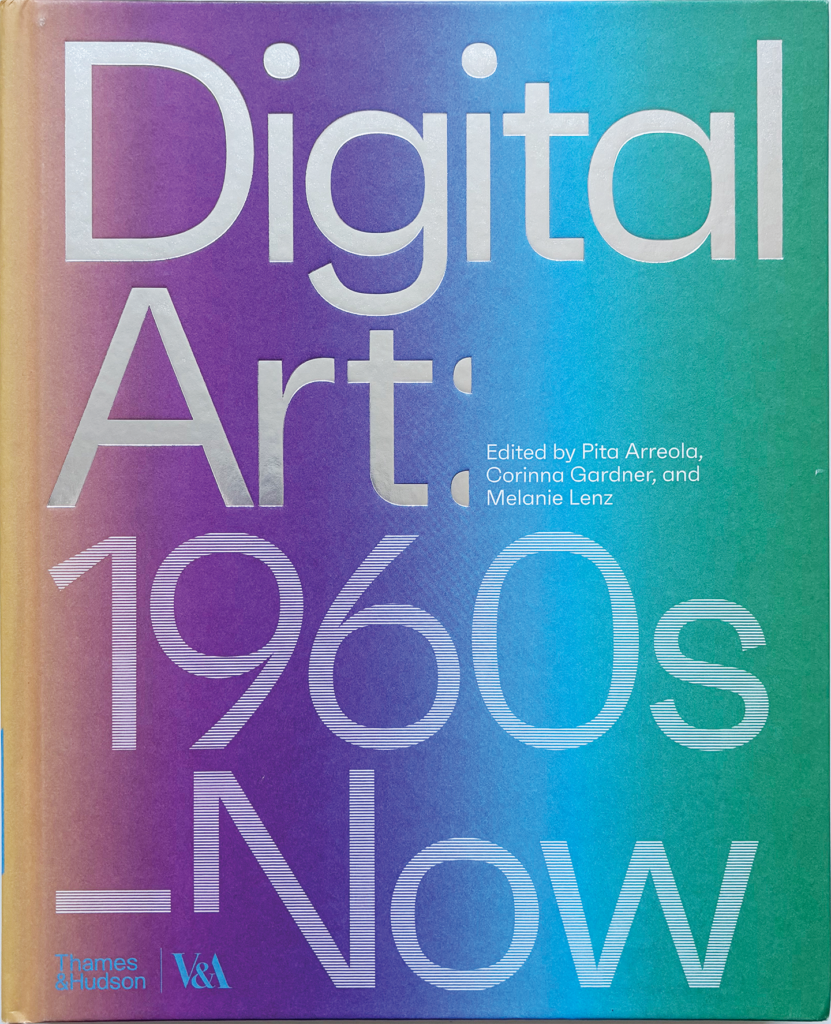
Digital Art: 1960s–Now

Edited by Pita Arreola, Corinna Gardner, Melanie Lenz

Going decade by decade, from the 1960s to today, the book uses articles, interviews, and discussions from global artists, gallerists, museum curators, and collectors to discuss art histories and practices and the social, political, and technological contexts that surround the creation of digital art. From computer-generated works created on paper in the 1960s to the interactive installations, virtual reality, net art, and video games of today, Digital Art shows how digital art has become firmly rooted in our world.

IMG 3938 copy

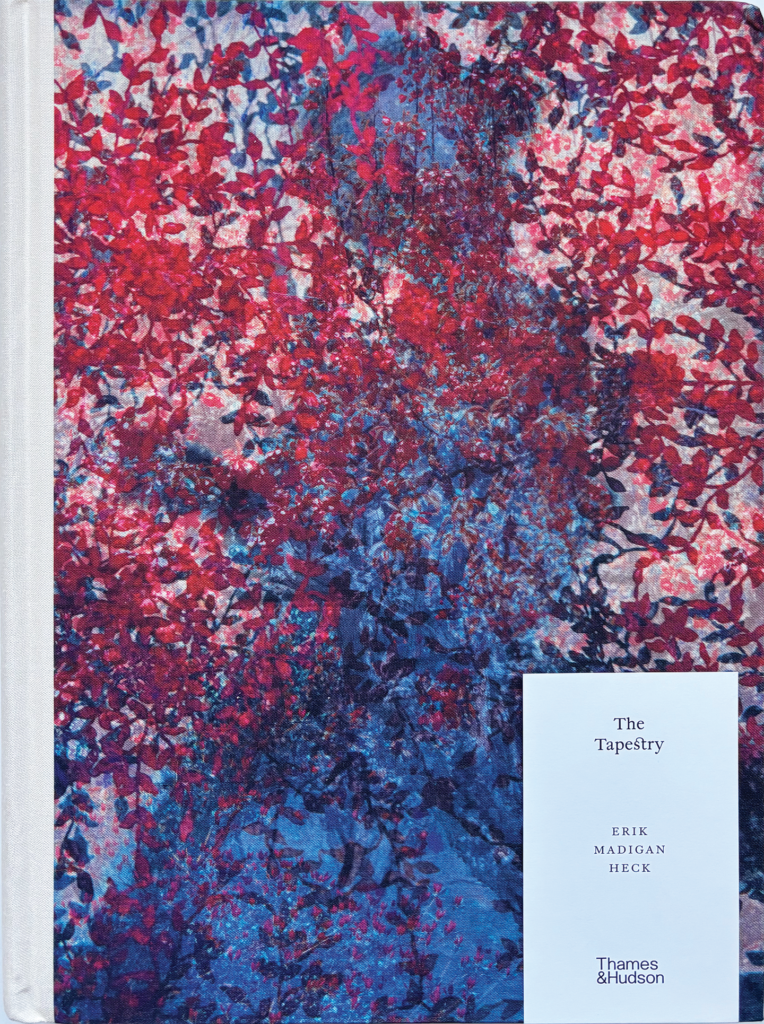
The Tapestry

Erik Madigan Heck

Like so many of us, Erik Madigan Heck used the forced pause of the 2020 global pandemic to reflect on his work and career thus far. The Tapestry is the result of taking inventory and compiling his distinct photography and painting works the help of with forward-thinking London-based design firm APFEL. The result is a beautiful art book that is chock full of arresting photographs including, still lifes and magazine shoots.

IMG 3922 copy

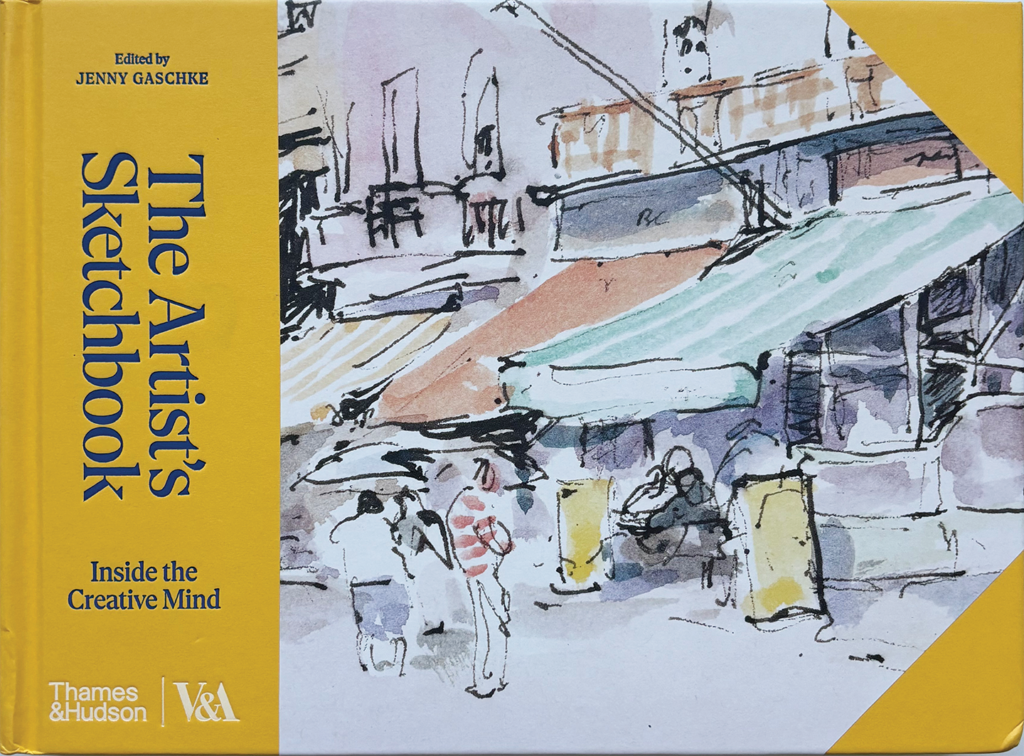
The Artist’s Sketchbook: Inside the Creative Mind

Jenny Gaschke

Using a selection from the Victoria and Albert Museum’s collection, The Artist’s Sketchbook highlights eighty historic and contemporary sketchbooks from artists such as Leonardo da Vinci, George Romney, John Constable, Beatrix Potter, and E. H. Shepard. By showing the differences in watercolor or pen and ink, or the experimentation of materials, the book reviews the vast difference in style and practice of all artists throughout the past 500 years.

IMG 3931 copy

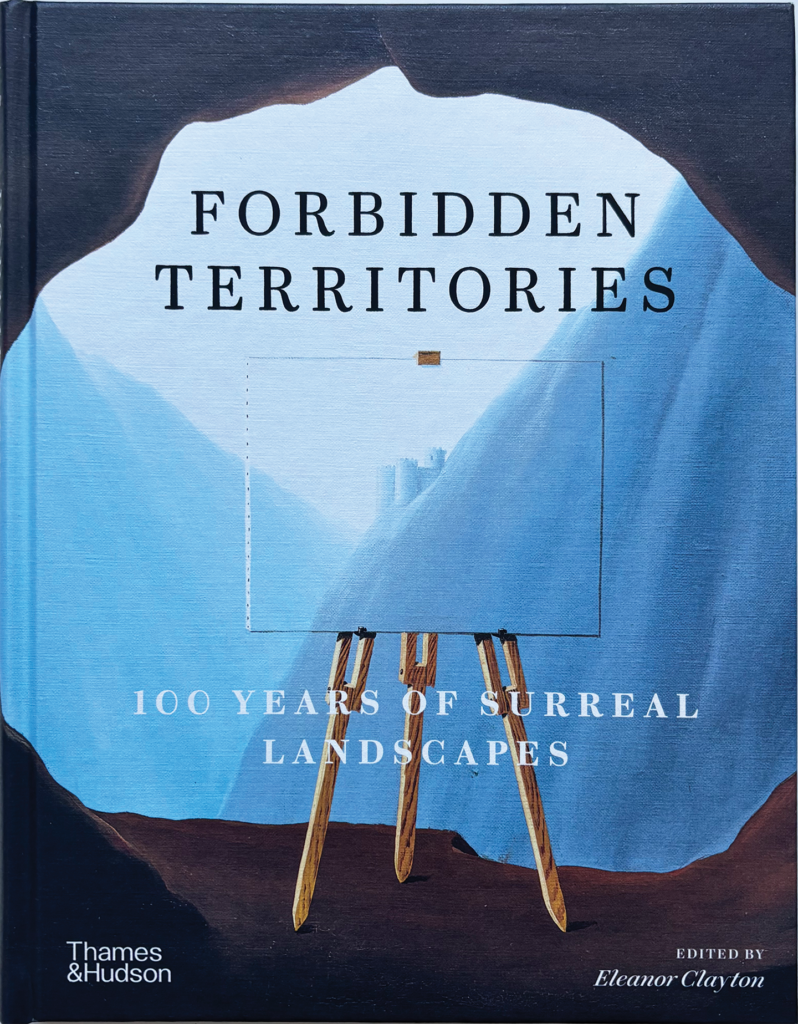
Forbidden Territories: 100 Years of Surreal Landscapes

Foreword by Simon Wallis, edited by Eleanor Clayton

The 1924 art movement that brought us melting clocks, fur-lined teacups, and tobacco pipes that aren’t what they seem is turning one hundred years old. There are many books and exhibitions on deck to celebrate this precursor to modern art, and Forbidden Territories is the companion book to the beautiful and comprehensive exhibition at the Hepworth Wakefield in England.

IMG 3935 copy

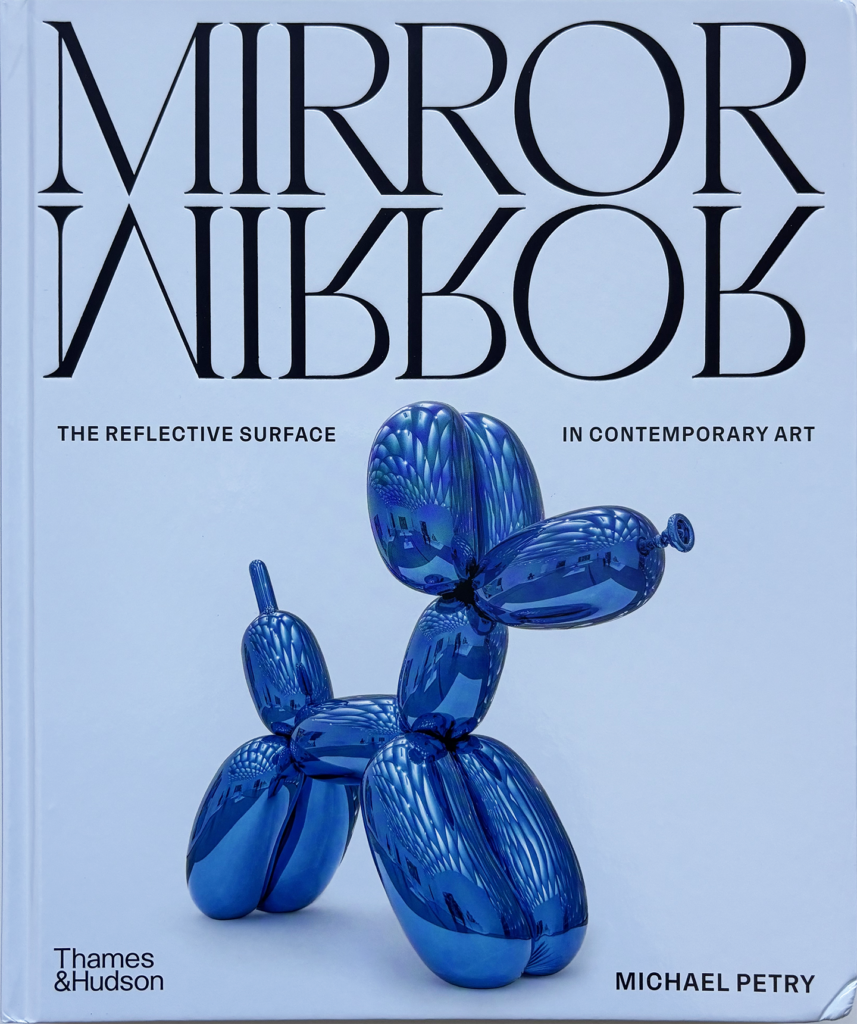
MirrorMirror: The Reflective Surface in Contemporary Art

Michael Petry

For fourteenth-century painters and present-day contemporary artists alike, the mirror has served as an artist’s subject and foil—sometimes in the literal sense. Including more than 150 artists, this book looks at the fascination with mirror images in art, from selfies to mirrors within artwork and mirrors as a medium. MirrorMirror is written by Michael Petry, director of the Museum of Contemporary Art in London whose past books like Nature Morte and The Word Is Art also examine distinct themes across art history.